PRP starts with your own blood, but the label does not describe one standardised injection or guarantee that damaged tissue will heal. By the end, you will understand how the treatment is prepared, which injuries have been studied, what the evidence actually shows and which clinical findings determine whether PRP is worth considering alongside rehabilitation or surgery.
Key takeaways
- PRP uses your blood’s concentrated platelets, injected into a specific injured tissue.
- Confirm the exact tendon or ligament diagnosis before considering PRP.
- Research results vary by injury, injection technique and rehabilitation plan.
- PRP cannot reattach a completely torn ligament or replace needed surgery.
What happens during a PRP injection for a sports injury?
A PRP injection appointment usually takes you from a blood draw to targeted injection and activity guidance in one visit, although protocols differ between clinics.
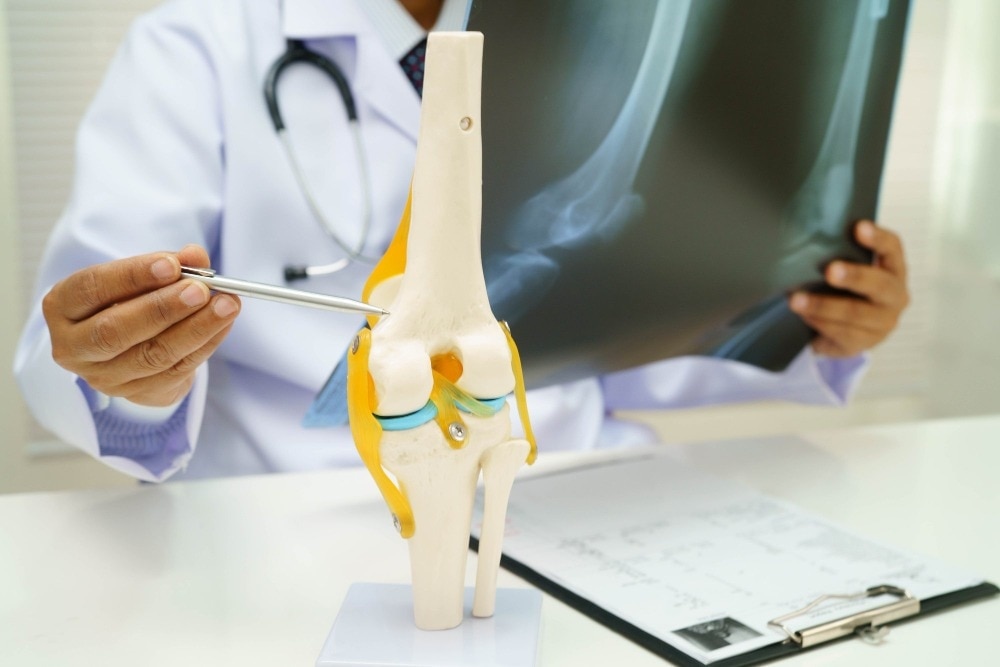
1. The clinician reviews the diagnosis, marks the painful tendon or ligament, and confirms the planned injection site. Ask how the result will be measured and what activity you must avoid afterwards.
2. A small blood sample is collected from your arm. During centrifuge preparation, the sample is spun to separate platelet-containing plasma from red blood cells and other blood components.
3. The prepared platelet-rich plasma is drawn into a syringe. “PRP” does not identify the platelet concentration, white-cell content, red-cell contamination, activation method, fibrin structure or injection volume, so ask which product and protocol are being used.
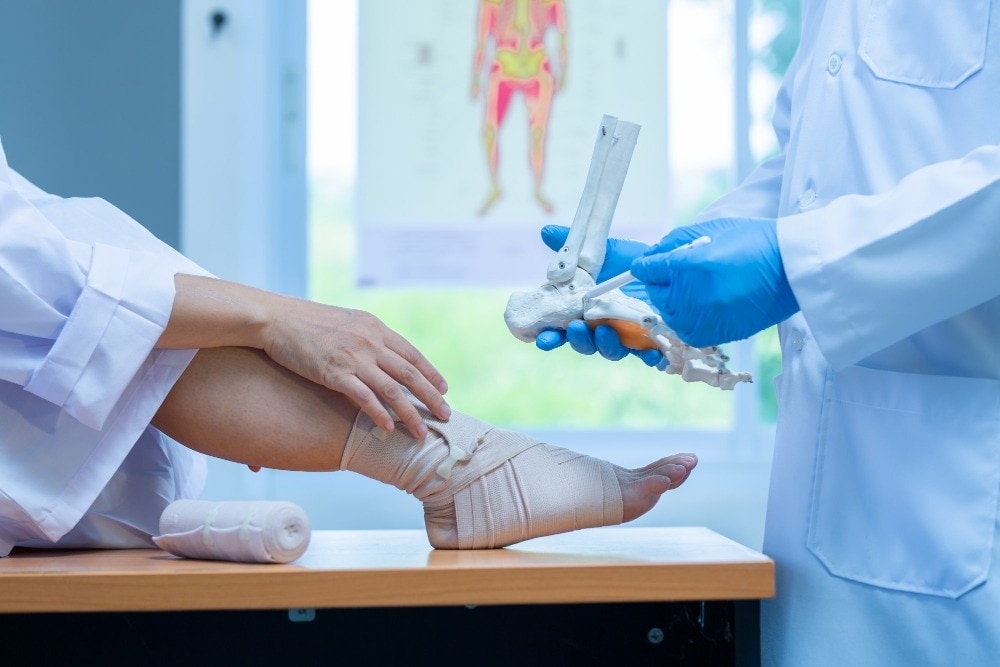
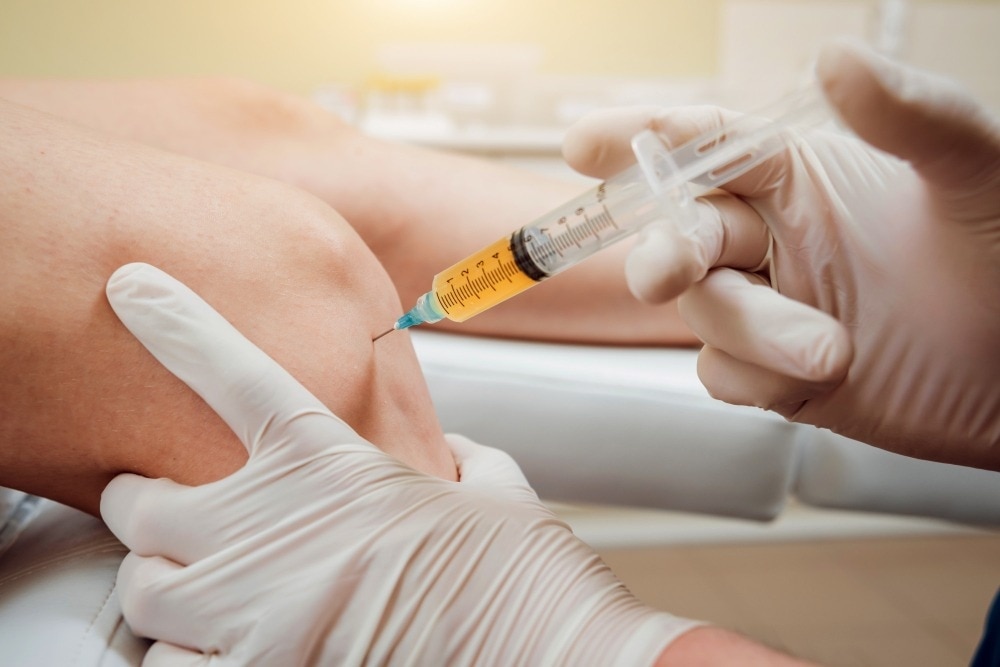
4. The skin is cleaned with an antiseptic before the PRP injection. The clinician places the preparation into or around the injured tissue. Ultrasound guidance can show abnormal tissue, help avoid nearby nerves and blood vessels, and improve needle placement.
5. One injection may be offered; another protocol may plan two or more injections at set intervals. There is no universally established best dose, interval or series, so the reason for the schedule should be specific to your injury.
6. Afterward, expect instructions about pain relief, loading and rehabilitation. Temporary pain, swelling or bruising can occur. Platelets release growth factors and signalling proteins linked to inflammation, cell recruitment, collagen remodelling and repair, but this rationale does not prove that PRP closes a tear, regenerates a ligament or improves sporting performance.
Which tendon or ligament problem is actually being treated?
The diagnosis determines whether PRP is being considered for painful, abnormal tissue or for a structural failure that needs mechanical repair. Tendinopathy involves pain and altered tendon structure linked to overload or degeneration; a partial tendon tear means some fibres are disrupted, while a complete tendon rupture means the tendon has lost continuity.
| Problem | What it means | How it changes the PRP decision |
|---|---|---|
| Tendinopathy | Degenerated or overloaded tendon with pain and abnormal structure | Consider evidence for chronic tendon pain alongside progressive loading and strengthening |
| Partial tendon tear | Some tendon fibres remain disrupted | Assess tear size, strength and function; PRP cannot be assumed to restore the missing fibres |
| Complete tendon rupture | The tendon is no longer continuous | Urgent assessment is needed because PRP cannot reconnect it; surgery may be required |
| Acute ligament sprain | Stretched fibres, or a partial or complete ligament tear | Determine the tear grade and joint stability before considering an injection |
| Mechanical instability | The ligament no longer controls the joint adequately after the initial pain settles | PRP does not replace treatment that restores stability |
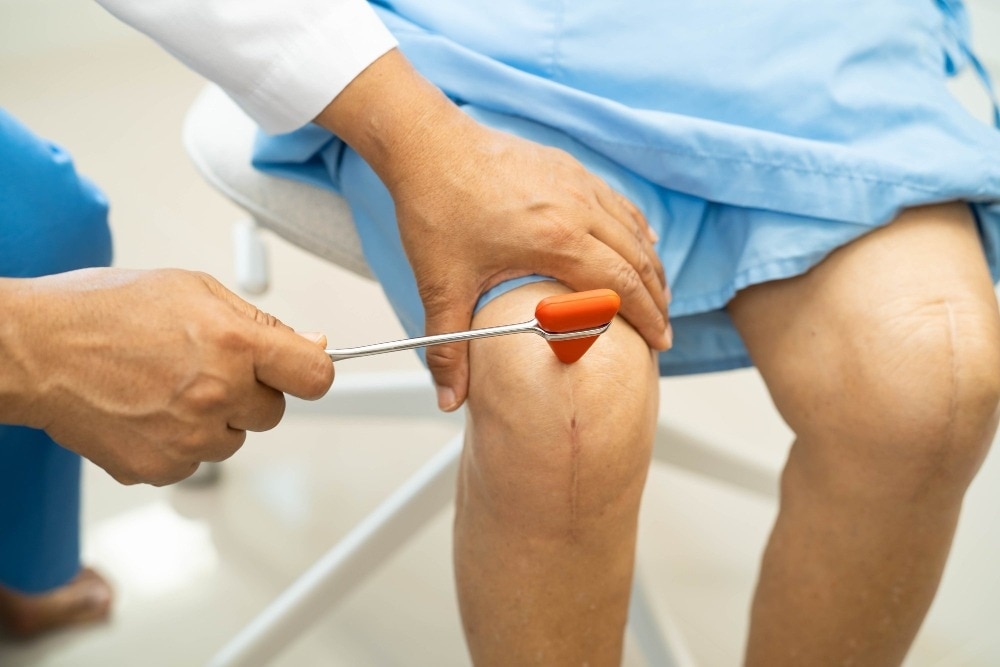
Examination identifies the painful structure and its effect on performance. Joint-specific movement and strength tests, followed by tasks such as hopping, cutting or throwing, reveal whether pain reflects a tissue problem or a loss of function.
Ultrasound can show tendon thickening, disrupted fibres, blood flow and some partial tears in real time. MRI assesses deeper tissue, tear extent, surrounding structures and ligament continuity.
An abnormal scan does not prove that the pictured tissue causes your pain. Evidence from chronic tendinopathy cannot be transferred directly to a complete tendon rupture, high-grade ligament tear or fracture requiring fixation; these problems differ in continuity, stability and surgical need.
What does research show for different sports injuries?
PRP results vary by injury, tissue quality, timing and rehabilitation, so evidence for one condition cannot be transferred to another.
| Injury | What research found | What it means |
|---|---|---|
| Chronic mid-portion Achilles tendinopathy | One intratendinous Achilles tendinopathy PRP injection added to exercise did not improve pain or activity versus saline at 6, 12 or 24 weeks. | PRP did not add a measurable benefit in this trial. |
| Patellar tendinopathy and chronic tendon pain | Studies report mixed results across protocols and outcome measures. | A promising biological mechanism does not prove reliable pain relief or restored tendon structure. |
| Chronic tennis elbow | Tennis elbow PRP may offer a longer-term advantage over corticosteroid, which often relieves symptoms faster. One trial found no clear PRP advantage over saline at 12 weeks. | The apparent benefit changes with the comparator, follow-up period and definition of success. |
| Acute hamstring injury | Hamstring injury PRP did not shorten return-to-play time or reduce reinjury compared with placebo. | Do not treat PRP as a dependable recovery shortcut. |
| Rotator-cuff repair | Rotator cuff PRP reduced imaging-defined retears in some studies, especially with larger or poorer-quality tears, without consistently improving pain, strength or function. | A better MRI result does not guarantee a better-feeling shoulder. |
| ACL reconstruction | Findings are mixed for tunnel healing, graft MRI appearance, laxity, patient scores and return to sport. | PRP cannot replace accurate graft placement, fixation or rehabilitation. |
| Partial ligament injuries | Results vary by ligament, tear grade, stability and rehabilitation programme. | Evidence for a partial tear does not apply to a complete rupture or unstable joint. |
Platelet concentration, white-cell content, injection number and rehabilitation differ between studies. Those differences make “PRP” a treatment label, not a guaranteed outcome.
What can PRP not repair, and what risks should you weigh?
A completely ruptured tendon has lost continuity; PRP cannot reconnect it. It cannot restore normal stability after a fully torn ACL or replace fracture treatment, surgical fixation, correct graft placement or prescribed rehabilitation when those are needed. PRP supports biology, not mechanical reconstruction.
Even during surgery, a better MRI appearance does not guarantee less pain or better shoulder or knee function. ACL reconstruction studies have produced mixed findings for graft signal, tunnel healing, laxity and return to sport. An imaging improvement is not the same as a functional recovery.
Autologous blood reduces concerns associated with donor products, but the injection still carries PRP risks:
- Temporary pain and swelling after the injection
- Bruising or bleeding
- Infection
- Nerve or surrounding tissue injury
- Failure to improve
There is no universally established best dose, injection interval, platelet count, leukocyte level or activation method. The label PRP does not identify one reproducible treatment, so ask which preparation and schedule are being proposed.
Timing also sets the evidence boundary. Results from chronic degenerative tendinopathy cannot prove that PRP treats an acute complete ligament rupture, high-grade tendon rupture or surgically repaired structure.
For tendinopathy, load management and graded strengthening remain central; PRP limitations matter because any uncertain added benefit must be weighed against cost, appointment time and time away from sport.
How should you decide whether PRP belongs in your treatment plan?
Start with the diagnosis, not the injection: a PRP treatment decision depends on which structure causes symptoms and whether tissue continuity and joint stability are intact. Ask whether the finding is tendinopathy, a partial tear, a ligament sprain or mechanical instability, and whether ultrasound or MRI would change treatment choice.
| Diagnosis | What it means for the decision | Question to ask |
|---|---|---|
| Tendinopathy | Rehabilitation usually leads; PRP is an adjunct with uncertain added benefit | Will graded strengthening and load management be tried first? |
| Partial tear | Remaining fibres, tear size and function determine whether injection or repair is appropriate | Does imaging show preserved continuity? |
| Ligament sprain | Treatment depends on grade, healing potential and joint stability | Is the joint stable during sport-specific testing? |
| Mechanical instability | An injection cannot replace a reconstruction when the ligament fails to control the joint | Would surgery restore stability more reliably? |
Ask what evidence applies to your exact injury, not merely to “sports injuries.” Request the proposed product’s platelet concentration and leukocyte profile, the number and spacing of injections, and the planned PRP rehabilitation programme. If an injection is considered, ask whether ultrasound-guided PRP changes needle placement or treatment accuracy.
Define the outcome before treatment: pain, strength, a sport-specific task, return-to-play time or imaging. Set a review date and decide what result counts as success.
A sports orthopaedic assessment with Dr. Nihar Modi can connect examination findings, imaging and functional goals before you commit. If PRP is selected, agree on activity restrictions, graded loading, warning signs and a fallback plan if pain or function does not improve.
Frequently asked questions
What happens during a PRP injection for a sports injury?
A clinician draws your blood, spins it to concentrate platelets, and injects the PRP into the diagnosed injured tissue. You then receive activity and rehabilitation instructions.
Which tendon or ligament problem is actually being treated?
PRP targets a specific tissue injury, such as tendinopathy or a partial ligament injury. Ask for the diagnosis, imaging findings and injection site before treatment.
What does research show for different sports injuries?
Evidence differs by condition. Studies have found mixed results across tendon and ligament injuries, so PRP is not equally effective for every sports problem.
What can PRP not repair, and what risks should you weigh?
PRP cannot reliably restore a completely torn ligament, close a large tendon gap or replace surgery when structural repair is necessary. Discuss pain, infection, bleeding and uncertain benefit.
How should you decide whether PRP belongs in your treatment plan?
Compare the diagnosis, injury severity, evidence for that condition, cost, recovery plan and alternatives with an orthopaedic clinician before deciding.
Keywords