Elbow pain, catching or restricted movement does not always reveal its cause through examination and scans alone. By the end, you will understand how arthroscopy can confirm what is happening inside the joint, when the surgeon can treat the problem at the same sitting, and when another operation or non-surgical approach is more appropriate.
Key takeaways
- An elbow examination and imaging guide whether arthroscopy can clarify the diagnosis.
- Arthroscopy suits loose bodies, stiffness, cartilage damage and selected tendon or ligament problems.
- Portal sites protect the ulnar nerve and other structures during instrument access.
- Ask about recovery limits, nerve symptoms, complications and non-surgical alternatives before deciding.
How can elbow arthroscopy clarify a diagnosis?
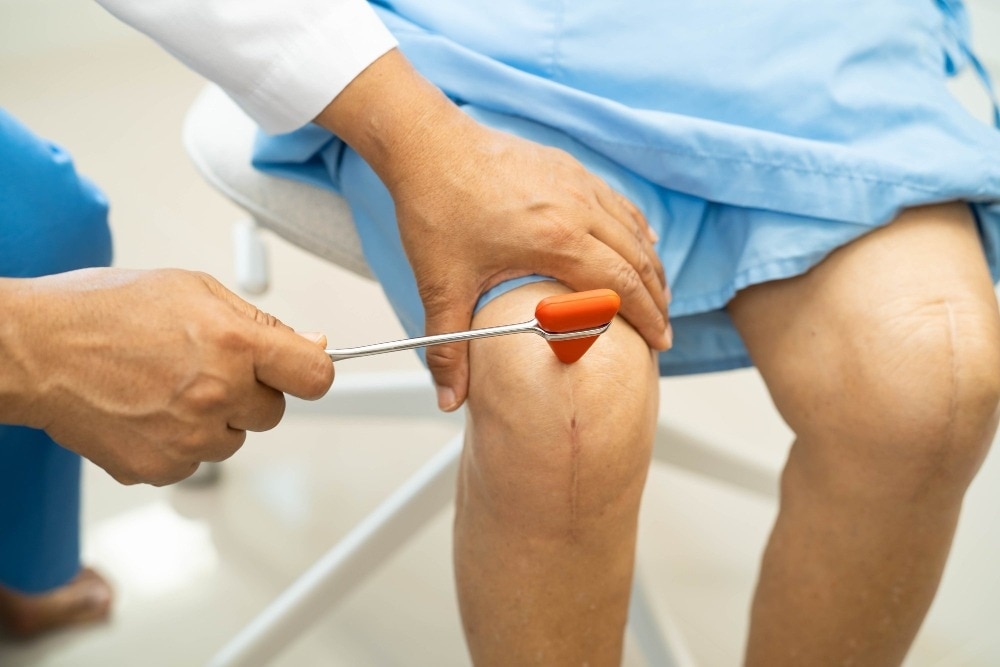
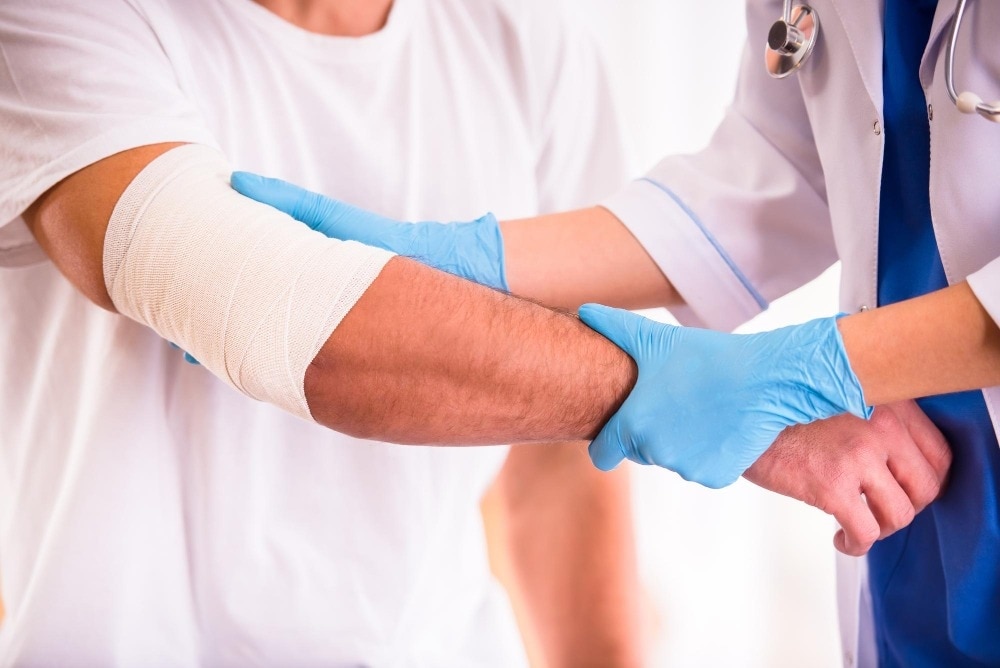
The decision starts with an elbow examination, not a camera. The clinician checks tenderness, swelling, range of motion, strength, sensation and nerve function, because pain, weakness or numbness can point to different causes. Range of motion testing elbow findings also show whether catching or stiffness is mechanical.
Each investigation answers a different question:
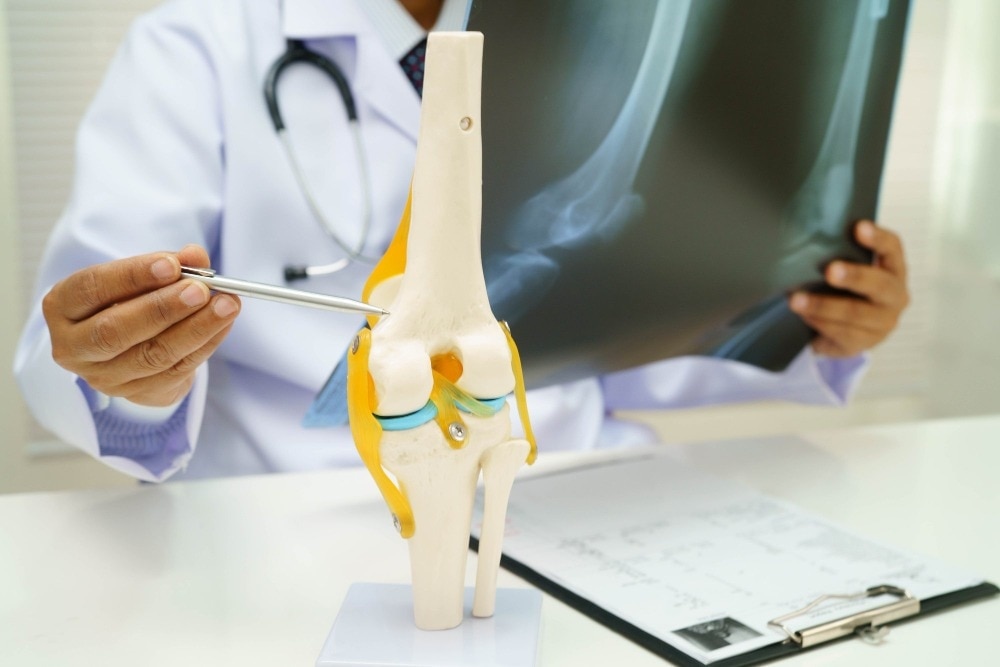
- X-rays show bone alignment, fractures, arthritis and osteophytes.
- Ultrasound assesses superficial tendons and supports dynamic assessment while the elbow moves.
- CT shows bone fragments and deformity in greater detail.
- MRI evaluates cartilage, synovium, ligaments, tendons and some nerve-related problems.
Scans have limits. An MRI can show tissue changes without proving which finding causes your symptoms, while a CT cannot directly show every problem inside cartilage or synovium.
When symptoms, examination and imaging still do not form a complete explanation, elbow arthroscopy diagnosis allows direct inspection of cartilage, synovium, loose bodies, ligament structures and joint surfaces.
That does not make arthroscopy a second MRI. Diagnostic elbow arthroscopy is an operative assessment performed through portals with a camera and instruments, and the surgeon rarely enters only to look.
The procedure is usually planned because an abnormality is likely to be treatable during the same operation, such as removing a loose body or releasing scar tissue. This is why arthroscopy is considered after appropriate non-operative care or when imaging suggests a treatable problem, not as a routine diagnostic test.
Which elbow problems are suitable for arthroscopy, and which are not?
Elbow arthroscopy indications depend on whether the problem is mechanical and treatable through small joint portals. It is most useful when symptoms such as catching, locking, stiffness or impingement match a finding that the surgeon can treat during the same operation.
| Problem | What arthroscopy can do | Important limit |
|---|---|---|
| Loose bodies in elbow | Remove fragments causing catching, locking or restricted movement | It will not reverse arthritis or underlying cartilage loss |
| Elbow stiffness scar tissue | Release a contracted capsule and remove scar tissue, bone spurs or loose bodies | Early, structured rehabilitation is needed because stiffness can return |
| Elbow cartilage injury | Treat selected cartilage or osteochondral lesions | Extensive surface destruction may need a different reconstruction or replacement |
| Synovitis | Remove inflamed synovium through synovectomy | The underlying inflammatory condition still needs treatment |
| Osteoarthritis impingement | Remove impinging osteophytes and improve motion in early or selected disease | Severe arthritis with destroyed joint surfaces may require elbow replacement |
| Persistent tennis elbow | Treat selected cases after activity modification, physiotherapy and other non-operative care have failed | New or uncomplicated tendinopathy is not a reason to proceed directly to surgery |
| Selected fracture or instability | Assist treatment or repair when the fragment, ligament or joint problem is suitable for arthroscopy | Fractures needing open fixation require alignment and stable fixation through an appropriate operation |
Isolated ulnar nerve compression usually needs a nerve-specific decompression or transposition, not joint inspection. Infection requires urgent infection management, while extensive reconstruction or major instability may require open surgery. A specialist should connect examination and imaging findings with a defined target before elective treatment, particularly for tennis elbow.
What happens during the operation, and why do portal sites matter?
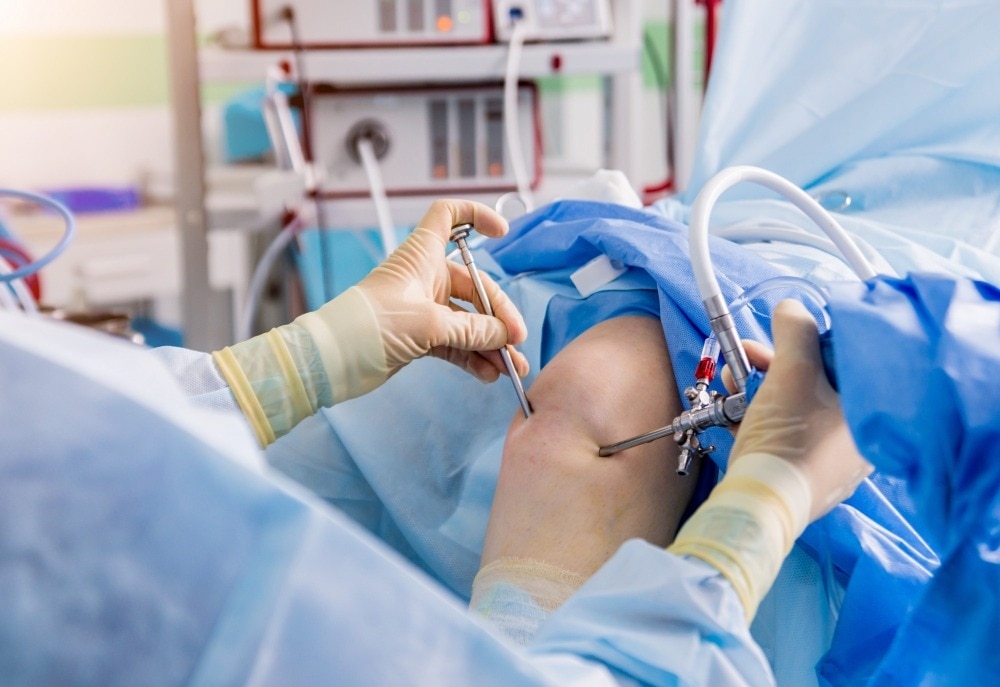
An elbow arthroscopy procedure usually takes place as an outpatient operation under regional or general anaesthesia. Your arm is positioned for safe access, and sterile fluid is circulated through the joint to create working space and keep the camera view clear.
1. The surgeon marks planned elbow arthroscopy portals, then makes small incisions at those locations. Portal placement is based on the joint problem, the intended instruments and the nerves and vessels beneath the skin.
2. A camera enters through one portal while specialised instruments pass through others. The surgeon inspects the cartilage, synovium, joint surfaces, loose bodies and selected ligament structures directly.
3. Treatment takes place during the same operation when appropriate. It may include loose-body removal, debridement, synovectomy, cartilage work, capsular release, osteophyte removal or repair of a selected structure.
4. If the abnormality needs broader exposure, or safe treatment cannot be completed through the portals, the surgeon may convert to open surgery.
Portal sites matter because the elbow has little room for error. The ulnar nerve lies near the inner elbow; the radial and posterior interosseous nerves lie near the outer elbow; the median nerve and blood vessels lie at the front. This makes instrument control technically demanding, including in radial nerve elbow surgery.
Nerve injury is a recognised complication. Report numbness, tingling, or weakness in your hand or forearm promptly, whether symptoms appear temporarily or persist after surgery.
What benefits, recovery demands and risks should you expect?
Small incisions do not guarantee a fast recovery. Elbow arthroscopy can reduce incision size and treat mechanical problems with less disruption, but extensive reconstruction, major deformity correction and some fracture repairs still need open surgery.
Elbow arthroscopy versus open surgery
| Option | Main advantage | Recovery implication |
|---|---|---|
| Arthroscopy | Smaller portals and less disruption for selected problems | Earlier movement may be possible, but treatment determines protection and therapy |
| Open surgery | Direct access for reconstruction, deformity correction or fracture fixation | Larger incision and recovery demands suited to the repair |
Elbow arthroscopy recovery depends on what was done, not simply on the camera and portals. Loose-body removal may permit earlier motion, while capsular release, cartilage treatment or fracture surgery can require splinting, protected use and supervised elbow arthroscopy rehabilitation.
A stiffness release needs early, structured movement to preserve the regained range. Without it, scar tissue can reform and motion can be lost again. Removing a loose body can stop catching or locking, but it cannot reverse arthritis or cartilage loss; degenerative pain may remain.
Possible elbow arthroscopy complications include:
- Infection, bleeding, swelling or persistent symptoms
- Recurrent stiffness or heterotopic ossification, meaning abnormal bone formation around the joint
- Blood-vessel injury
- Temporary or permanent nerve problems, including numbness, tingling or weakness in the hand or forearm
Keep follow-up appointments and complete the prescribed exercises. Rehabilitation is part of the treatment, not an optional extra, because the surgeon must monitor healing, adjust protection and address lost movement before it becomes harder to recover.
What should you discuss before deciding on elbow arthroscopy?
Before you sign consent, identify the exact finding the surgeon expects to treat and the symptom that treatment is likely to improve. Ask:
- What happens if the joint looks less damaged or more damaged than the scans suggest?
- Is conversion to open surgery planned as a possibility, and what finding would require it?
- What are the elbow arthroscopy alternatives, including continued non-operative care or a different operation?
- Which result would mean that arthroscopy should stop without treatment?
Tell the surgeon about previous elbow operations, fractures, deformity, infection, numbness or tingling, blood-thinning medicines, diabetes, smoking and any condition that slows healing. Altered anatomy can make portal placement and protection of nearby nerves harder.
| Option | What it means | When it applies |
|---|---|---|
| Arthroscopy | Treats a defined joint problem through portals | A finding is likely to be treatable during the same operation |
| Open surgery | Provides wider access for repair or reconstruction | Arthroscopy cannot safely address the damage |
| Non-operative care | Uses activity changes, physiotherapy or medication | Symptoms do not yet justify surgical risk |
Ask about movement restrictions, splinting, pain control, driving limits and the physiotherapy schedule. An elbow arthroscopy consultation with Dr. Nihar Modi in Bandra West, Mumbai, or another elbow surgeon Mumbai patients can access, should connect examination and scans to a specific plan.
The best elbow surgery decision answers one question: does arthroscopy offer realistic treatment at the same sitting?
Related service
Arthroscopy, commonly called keyhole surgery, is a minimally invasive orthopaedic procedure in which a surgeon uses a small camera called an... View service → |
Frequently asked questions
How can elbow arthroscopy clarify a diagnosis?
The surgeon combines your examination with imaging and direct camera views inside the joint. Arthroscopy can reveal loose bodies, cartilage damage, scar tissue, synovitis and other causes of catching or restricted movement.
Which elbow problems are suitable for arthroscopy, and which are not?
Arthroscopy can treat selected loose bodies, joint stiffness, cartilage problems, synovitis and some tendon or ligament conditions. Severe deformity, advanced arthritis, infection, unstable fractures or problems outside the joint may require another treatment.
What happens during elbow arthroscopy, and why do portal sites matter?
After anaesthesia, the surgeon makes small openings called portals to insert a camera and instruments, then treats the identified problem. Portal placement matters because the ulnar nerve, radial nerve, blood vessels and other structures lie close to the elbow joint.
What benefits, recovery demands and risks should you expect?
Potential benefits include smaller incisions, direct diagnosis and treatment during one procedure, and targeted removal or repair of joint problems. Recovery includes swelling control, wound care and prescribed motion exercises; risks include infection, stiffness, nerve injury, bleeding and persistent symptoms.
What should you discuss before deciding on elbow arthroscopy?
Ask what diagnosis the procedure is intended to confirm or treat, which findings would change the operation, what non-surgical options exist, how long restrictions will last, and how complications will be managed.
Keywords