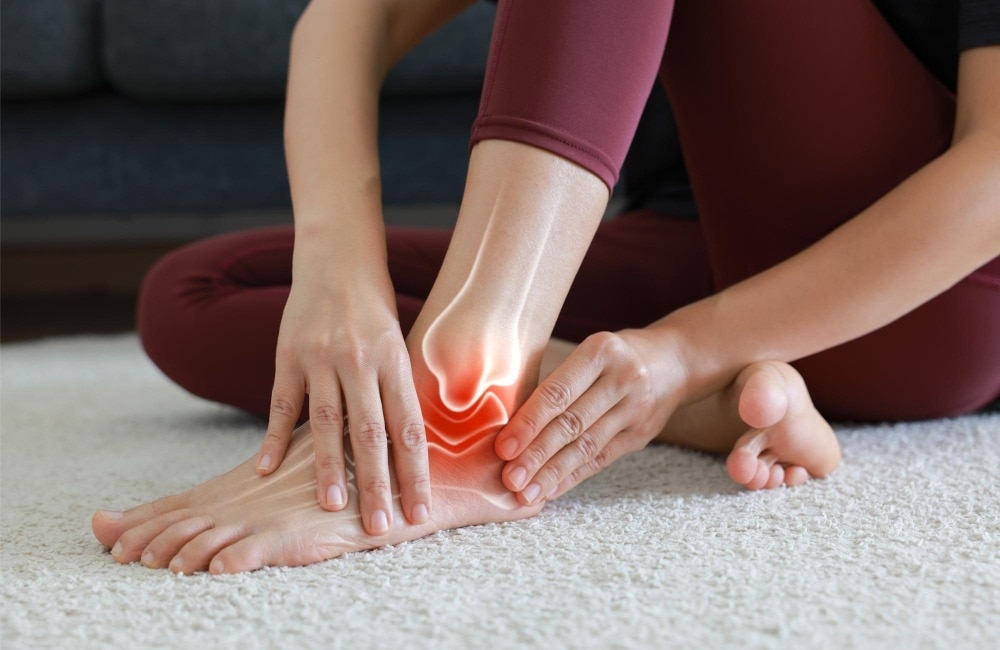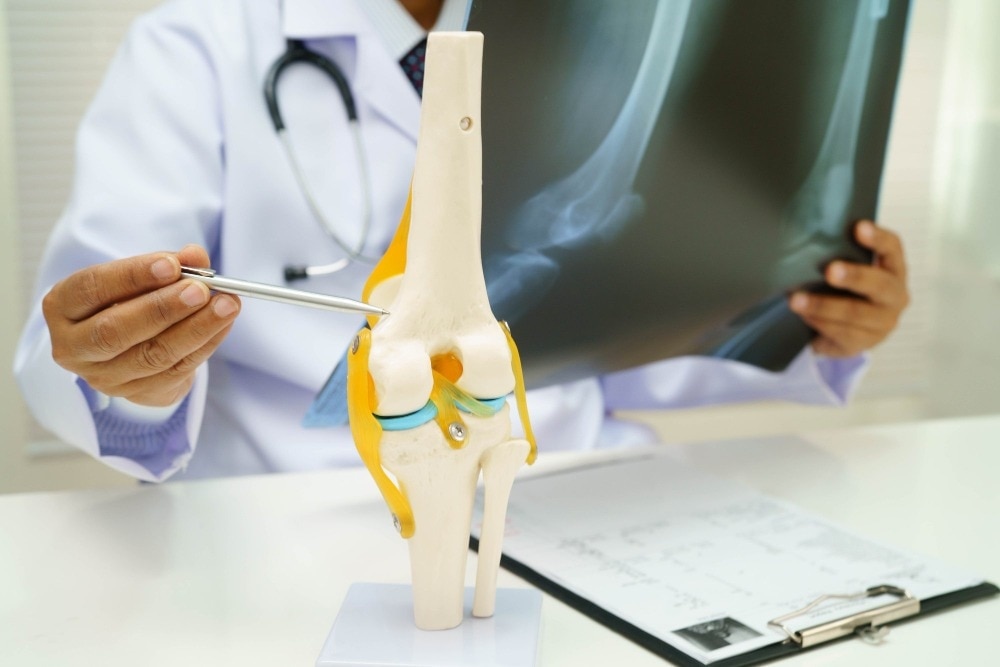
A torn ACL can let the shinbone slide forward and rotate excessively beneath the thighbone, causing the knee to give way during cutting, pivoting, or landing. You will learn how clinicians confirm the tear, when reconstruction is preferable to rehabilitation alone, how a tendon graft is fixed inside the knee, and why stability still depends on months of recovery.
Key takeaways
- ACL reconstruction restores stability by replacing the torn ligament with a graft.
- Reconstruction is most useful when instability threatens sport, work or daily activities.
- Graft choice involves trade-offs between strength, donor-site pain and recovery.
- Rehabilitation rebuilds strength, movement control and confidence after surgery.
How the ACL controls movement—and how clinicians confirm a tear
The ACL limits forward tibial translation, stopping the shinbone from sliding too far ahead of the thighbone. It also contributes to rotational knee stability during pivoting, cutting and landing. When it tears, the knee can feel unreliable or buckle, producing knee giving way even if ordinary walking becomes comfortable.
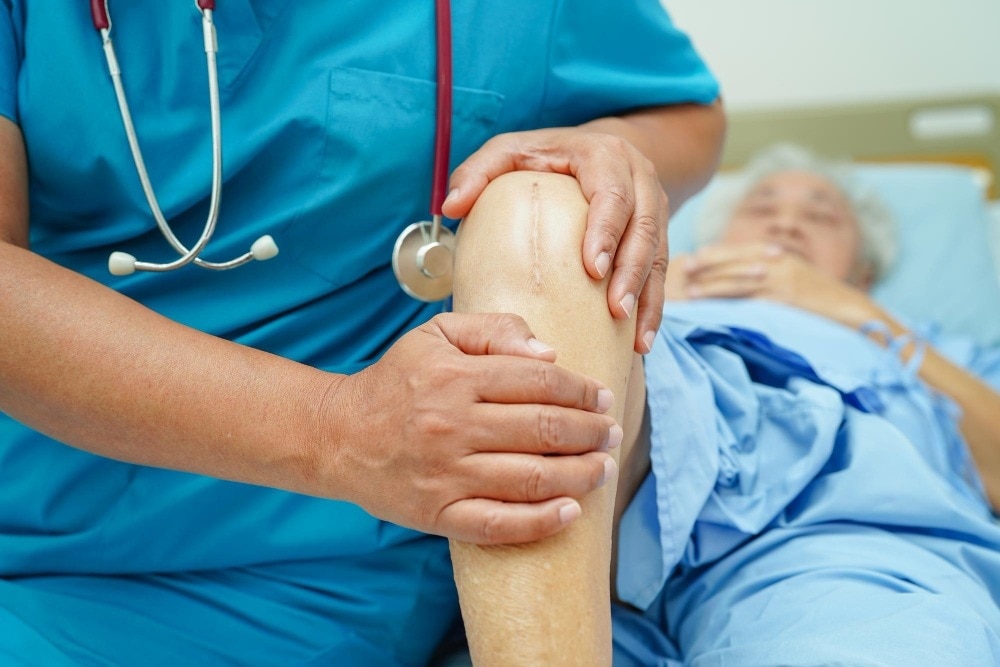
Clinicians confirm the diagnosis by combining the injury history with examination findings and imaging:
- A sudden twist, pop, rapid swelling and difficulty continuing activity raise suspicion.
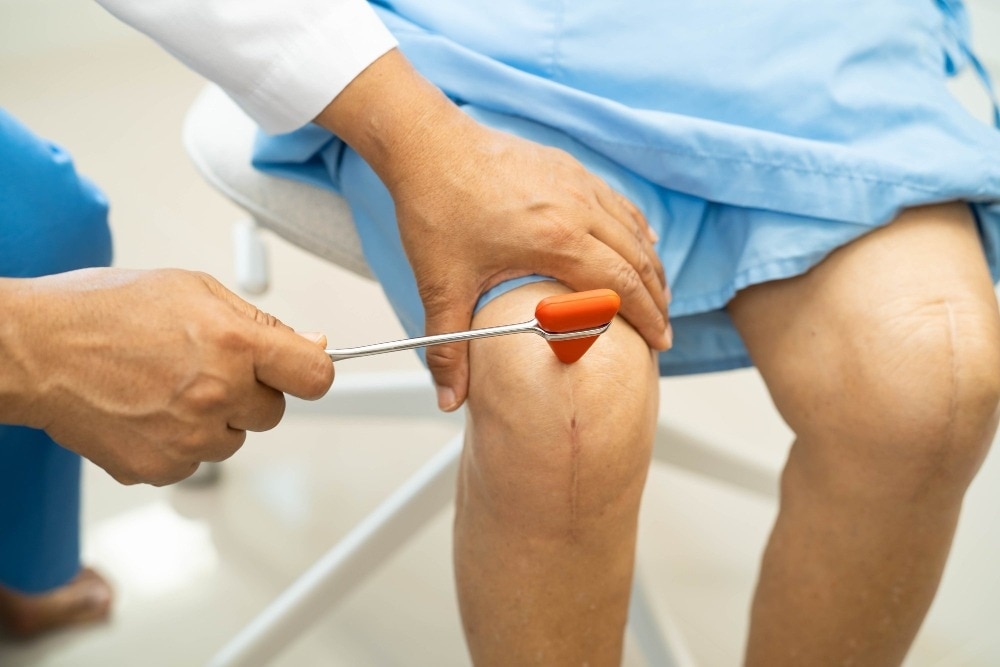
- The Lachman test measures abnormal forward movement of the tibia and is the key hands-on test.
- The pivot-shift test assesses whether the knee slips during rotational movement.
- Range-of-motion testing identifies stiffness, loss of extension or pain that could limit the examination.
- MRI shows the ACL tear and helps identify meniscus, cartilage, bone or other ligament injuries.
A swollen knee does not prove an ACL tear, and a normal-feeling knee does not exclude one. Doctors compare both sides, assess muscle control and consider whether instability appears during the activities that matter to you.
MRI findings must match the examination: an abnormal scan without functional instability does not automatically require reconstruction, while repeated knee giving way deserves attention even after swelling settles. This distinction helps separate a damaged ligament from a knee that actually lacks usable stability.
When reconstruction offers more than rehabilitation alone
ACL reconstruction is appropriate when a torn ligament leaves the knee unstable during the activities you need to perform, despite structured rehabilitation and sensible activity modification. A stable, low-demand knee without giving-way can often be managed without surgery.
Reconstruction becomes more likely with:
- Recurrent knee instability or repeated giving-way episodes
- A goal of returning to pivoting sports, such as football, basketball, tennis or skiing
- Heavy physical work that demands cutting, climbing or sudden direction changes
- A meniscus tear or cartilage injury that needs treatment
- Instability that persists after strength, movement and neuromuscular control improve
- Skeletal maturity that allows the surgeon to select an appropriate reconstruction technique
These are the main ACL reconstruction indications, not an automatic checklist for surgery. Your symptoms, examination, activity goals and associated injuries must fit the decision.
For an acute isolated tear where surgery is indicated, the AAOS guideline favours reconstruction rather than waiting several months, because operating within about three months is associated with a lower risk of additional meniscus and cartilage damage.
That does not mean operating immediately: swelling, restricted extension, other injuries and the need for preoperative rehabilitation can change the timing. Reconstruction also restores mechanical stability, not a guarantee against arthritis; repeated instability and existing meniscus or cartilage damage still influence long-term joint health.
How the graft recreates the ACL’s stabilising pathway
The operation restores control by routing a tendon graft along the ACL’s original line between the femur and tibia. This reconstructed pathway resists the tibia sliding forward beneath the femur and helps prevent the twisting motion that produces a pivot or giving-way episode.
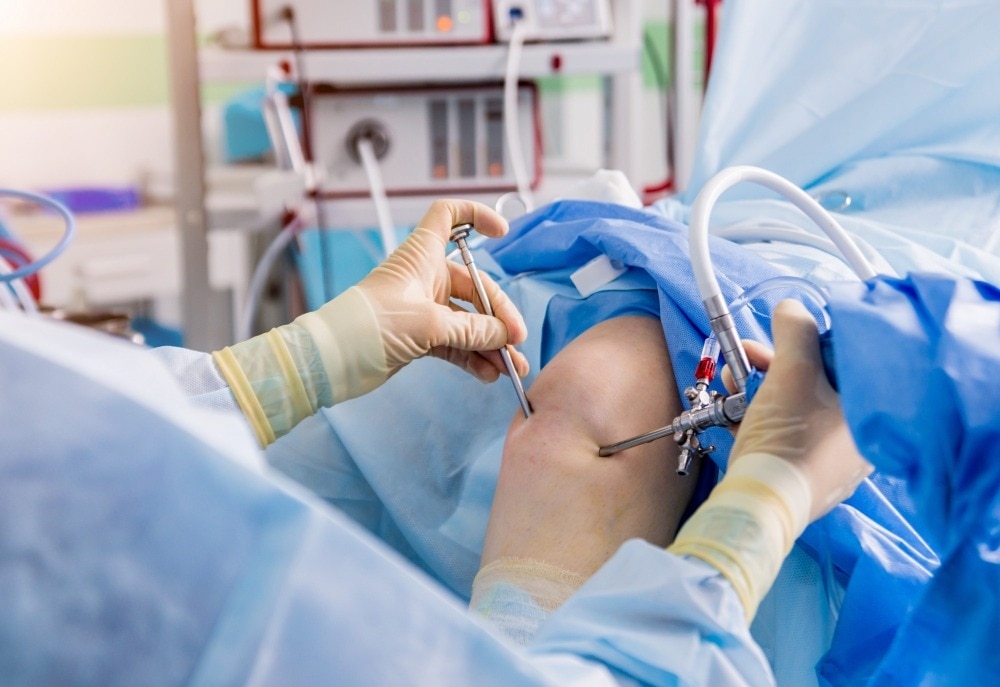
During the ACL surgery procedure, the surgeon uses ACL arthroscopy to inspect the joint and address injuries such as a torn meniscus. The graft passes through femoral and tibial bone tunnels positioned near the native ACL attachment sites.
Correct tunnel placement matters: it determines the graft’s direction, length change and ability to control both forward and rotational movement as the knee bends.
Graft fixation anchors each end securely with devices such as screws, buttons or other fixation systems. The surgeon tensions the graft before securing it, but a larger graft cannot compensate for a poorly placed tunnel or unrecognised meniscus, cartilage or ligament injury.
A graft can look intact and still leave the knee unstable if its line of pull is wrong or its fixation loosens.
The graft is not an instant replacement in biological terms. It gradually incorporates into the bone tunnels and remodels under controlled loading, while rehabilitation restores quadriceps strength, balance and movement control. Mechanical restraint returns through the graft; confident cutting and landing require the leg and nervous system to relearn how to use it.
Choosing a graft: strength, pain and return-to-sport trade-offs
The best graft balances failure risk, harvest-site symptoms and the demands you plan to place on the knee. Your age, sport, kneeling needs, muscle strength and previous operations all affect that choice.
| Option | Main advantages | Main trade-offs |
|---|---|---|
| Hamstring graft | Smaller incisions and less kneeling or front-of-knee pain; useful when avoiding a patellar harvest site matters. | Hamstring weakness can affect sprinting and deceleration; graft size and fixation need careful assessment. |
| Patellar tendon autograft | Bone plugs provide strong fixation, and it has a long track record in high-demand athletes. | Anterior knee pain, kneeling pain, numbness and harvest-site weakness are more relevant risks. |
| Quadriceps tendon graft | A thick graft offers substantial tissue, with less kneeling pain than a patellar harvest. | Temporary quadriceps weakness and front-of-thigh discomfort can slow early rehabilitation. |
| ACL allograft | No tendon is taken from your knee, so harvest-site pain and weakness are avoided. | It incorporates more slowly and has a higher failure risk in young or highly active patients; autograft is usually preferred for them. |
Ask your surgeon to compare graft diameter, fixation method, sport-specific failure risk, expected harvest-site symptoms and the rehabilitation demands—not just headline strength. Also discuss meniscus or cartilage injuries, your willingness to delay pivoting sport, and how return-to-sport testing will be judged.
A consultation with Dr. Nihar Modi should leave you able to explain why one graft suits your anatomy and goals better than the alternatives, rather than choosing from a generic “strongest graft” ranking.
Related services
Ligament reconstruction is a surgical procedure used to restore stability when a damaged ligament cannot provide adequate functional support. View service → |
may be considered when pain, instability, locking, or loss of function is caused by a structural problem that has not improved with appropriate... View service → |
Why restored stability depends on rehabilitation and realistic expectations
Reconstruction can improve forward and rotational stability by positioning a tendon graft along the ACL’s anatomical pathway. It can reduce giving-way during cutting, pivoting and landing, but it does not reattach the torn native ligament or guarantee a completely normal-feeling knee.
ACL rehabilitation milestones guide progression rather than a calendar alone:
- Early recovery restores full knee extension, controls swelling and rebuilds safe walking mechanics.
- Later training develops quadriceps and hamstring strength, balance, landing control and running tolerance.
- Return to sport testing checks strength symmetry, hop performance, movement quality and confidence before pivoting or contact activity.
Comfortable walking does not prove graft incorporation is complete. Biological ligamentization, strength and neuromuscular control continue for many months, so returning to sport too early increases ACL reinjury risk. Delaying return until at least nine months was associated with a lower reinjury rate in one observational cohort, but waiting alone cannot prevent failure.
Surgery also cannot eliminate post-traumatic arthritis, especially after meniscus or cartilage damage, repeated instability or further surgery. Infection, stiffness, blood clots, persistent laxity, graft failure, anterior knee pain and kneeling pain remain possible.
Frequently asked questions
How does the ACL control knee movement?
The ACL limits forward movement of the shinbone and helps control rotation during pivoting, cutting and landing.
When is ACL reconstruction recommended instead of rehabilitation alone?
Reconstruction offers more than rehabilitation when repeated giving way, activity demands or associated knee injuries make instability a continuing problem.
How does an ACL graft restore knee stability?
The surgeon positions a graft through bone tunnels so it follows the ACL’s stabilising pathway between the thighbone and shinbone.
How does graft choice affect recovery and return to sport?
Graft options differ in strength, donor-site pain and recovery demands, so the choice should reflect your goals and clinical findings.
Related services
Sports injuries can affect ligaments, tendons, muscles, cartilage, bones, and joints. View service → |
Arthroscopy, commonly called keyhole surgery, is a minimally invasive orthopaedic procedure in which a surgeon uses a small camera called an... View service → |