Severe knee pain is not the only factor in deciding whether replacement is appropriate: the effect on walking, sleep, stairs and daily tasks must match the examination and imaging. By the end, you will know what to ask about diagnosis, implant choice, preparation, recovery, risks and long-term activity.
Key takeaways
- Consider replacement when pain persists despite proper non-surgical treatment.
- Expect examination, X-rays and health checks before the operation is chosen.
- Arrange medication reviews, home support and rehabilitation before surgery.
- Seek urgent advice for fever, worsening wound redness, chest pain or breathlessness.
Is knee replacement the right next step for you?
Knee replacement is worth discussing when arthritis causes persistent pain and loss of function despite a proper course of non-surgical treatment. Pain at rest, night pain, difficulty walking, stair problems and trouble managing daily activities are important signs, especially when they affect work, sleep or independence.
Your treatment history matters. The discussion is stronger after appropriate exercise or physiotherapy, pain medicines, activity modification and injections when suitable have failed to provide adequate relief. The surgeon must also find examination findings and standing, weight-bearing X-rays that match your symptoms; an abnormal X-ray alone is not a reason for surgery.
| Pattern | More supportive of discussing replacement | When surgery may be premature |
|---|---|---|
| Symptoms | Severe, persistent pain with walking, at rest or at night, plus meaningful loss of function | Mild or intermittent symptoms that still allow ordinary activities |
| Imaging and examination | Advanced joint damage that matches the painful area and examination findings | Pain without matching X-ray changes, or symptoms from another condition |
| Previous treatment | Adequate non-surgical treatment has not restored useful function | Exercise, physiotherapy, medication or other appropriate care has not been properly tried |
| Joint damage | Widespread arthritis affecting the joint surfaces | Isolated cartilage damage or mild arthritis |
A replacement does not create a normal biological knee. If pain is manageable and function remains acceptable, delaying surgery while clarifying the diagnosis or completing treatment is usually sensible.
How will the surgeon confirm the diagnosis and choose the operation?
The surgeon chooses the operation by matching your symptoms and goals with examination findings and images; an abnormal scan alone is not enough. Your medical history covers pain location, night or rest pain, walking and stair limits, previous treatment, injury, instability and locking.
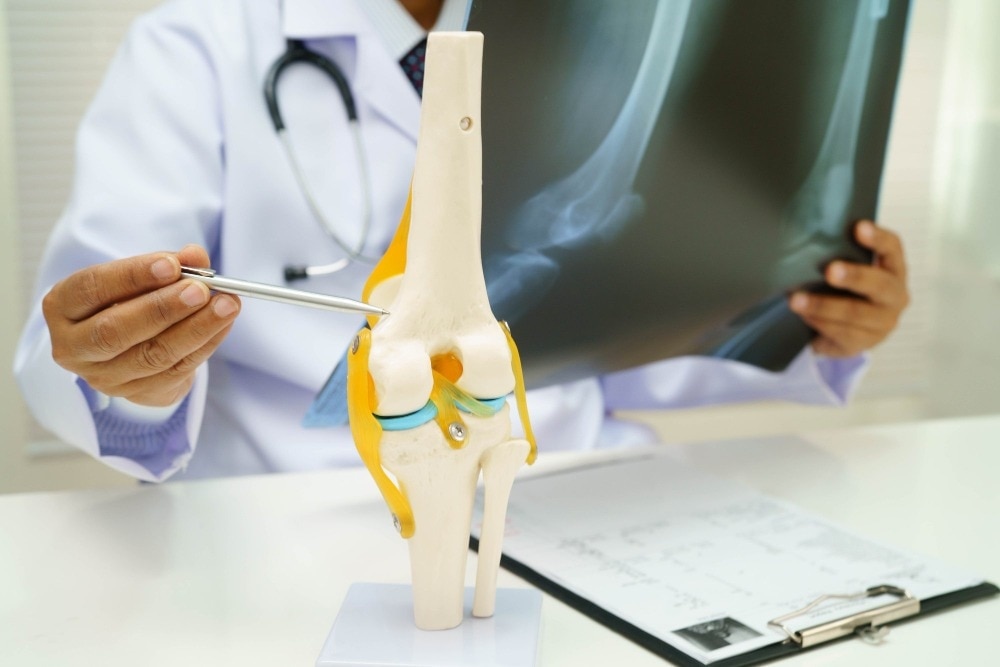
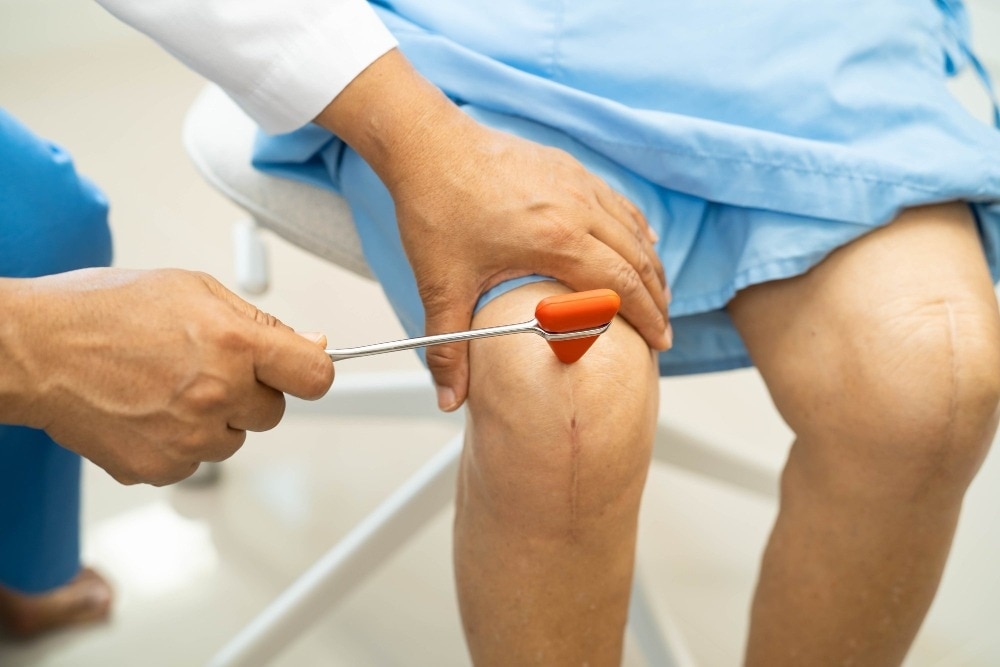
During the physical examination, the surgeon checks knee alignment, swelling, tenderness, range of motion, ligament stability and how you walk. Standing weight-bearing X-rays show narrowed joint space, bone spurs, deformity and which compartments bear the damage. MRI can clarify cartilage, meniscus, ligament and bone problems when X-rays do not explain your symptoms.
CT scans show bone shape and alignment in greater detail, especially when planning complex surgery or reviewing previous implants.
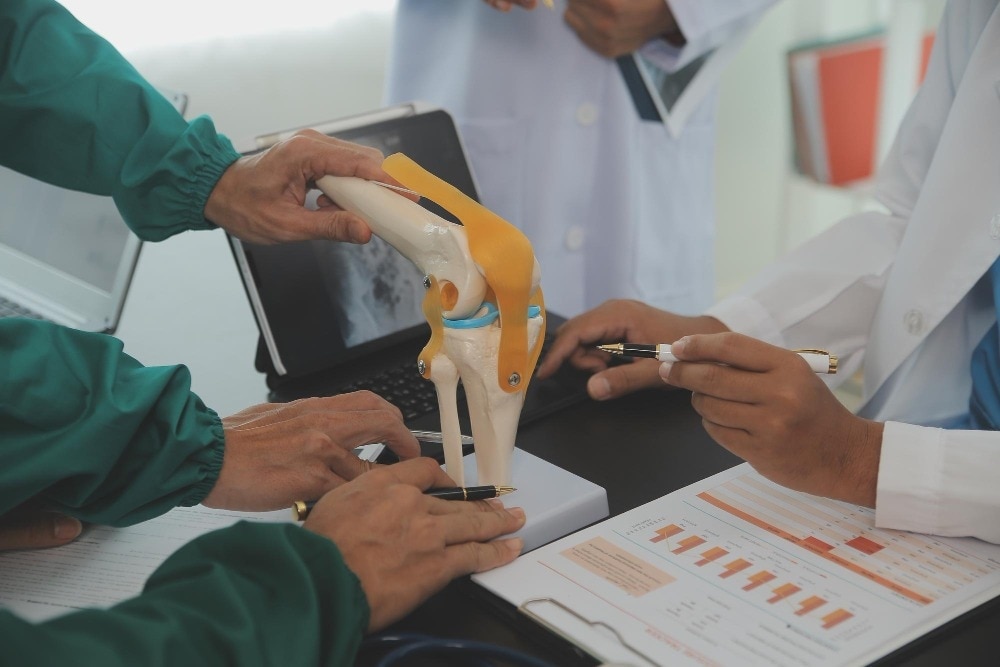
Ask which finding makes replacement preferable to continued treatment. Isolated cartilage damage, mild arthritis, pain without matching X-ray changes or an incomplete trial of physiotherapy, medication or injections can make replacement premature. In a consultation with Dr. Nihar Modi, ask how the proposed operation matches the damaged compartment and your movement goals.
| Option | What it replaces | When it applies |
|---|---|---|
| Total knee replacement | The femoral and tibial joint surfaces, plus the underside of the kneecap when required | Arthritis or damage affects multiple compartments |
| Partial (unicompartmental) replacement | Only the damaged inner, outer or kneecap-side compartment | Disease is confined to one compartment and the remaining ligaments and surfaces work well |
| Kneecap (patellofemoral) replacement | The underside of the kneecap and its groove on the thighbone | Damage is limited to the kneecap joint with preserved tibiofemoral compartments |
Related services
may be considered when pain, instability, locking, or loss of function is caused by a structural problem that has not improved with appropriate... View service → |
Joint replacement surgery is an operation in which damaged joint surfaces are replaced with prosthetic components to reduce pain and improve... View service → |
What health factors and preparation can change the plan?
Age alone does not decide the operation. A younger, highly active patient may need counselling about implant longevity and high-impact sport, while frailty, balance, memory, or limited home support can alter the plan for an older patient. Bone quality and knee alignment affect fixation, implant choice and fracture risk.
Previous surgery can leave scars, hardware, altered anatomy or infection risk that require additional imaging or specialist planning.
Tell the surgical team about:
- Obesity and diabetes, which increase wound, infection and medical risks; poor glucose control may delay surgery until it improves.
- Smoking, which reduces blood supply and impairs wound and bone healing; agree when to stop and remain tobacco-free during recovery.
- Heart disease, lung disease, sleep apnoea or a previous blood clot, which can change cardiac clearance, anaesthesia and clot-prevention planning.
- Blood-thinning medicines, including aspirin, warfarin, apixaban or rivaroxaban, which need an individual stop-and-restart plan; do not stop them yourself.
- Skin or dental infection, which may need treatment before implantation.
Preoperative assessment can include blood tests, an electrocardiogram, glucose or HbA1c testing, and anaesthesia review. Your team may recommend weight reduction, smoking cessation, medication changes, walking aids or home support before setting a date. Weight raises complication and revision risk, but no single BMI automatically rules out replacement; balance that risk against ongoing disability.
What should you expect from anaesthesia, discharge and rehabilitation?
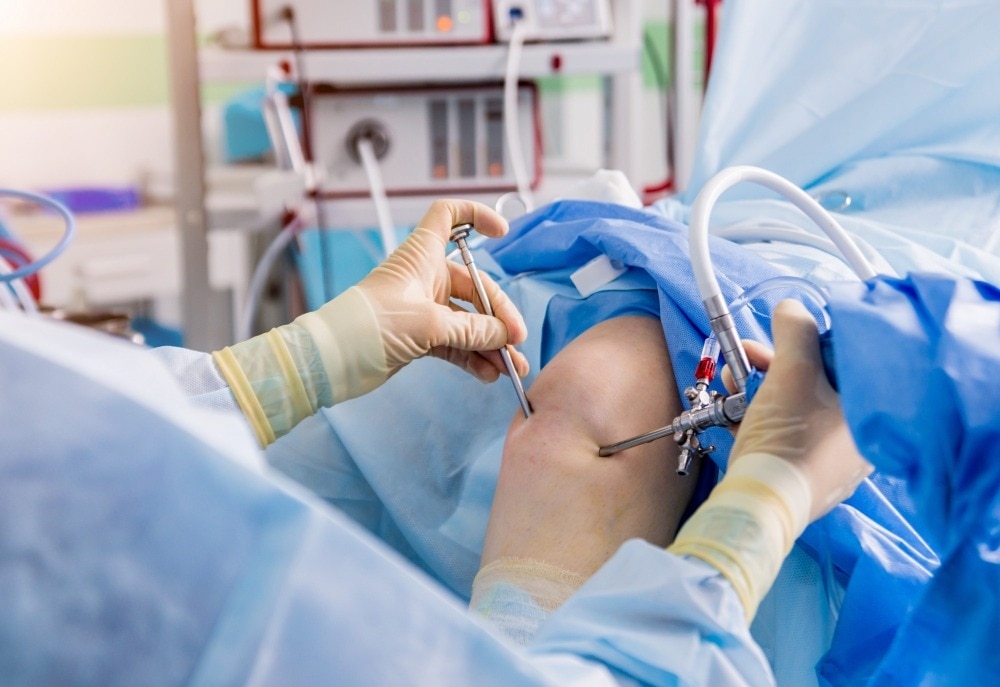
Anaesthesia may be regional or general anaesthesia, or a combination. A spinal anaesthetic can be paired with sedation, so you do not have to remain fully awake. The anaesthetist considers your heart and lung health, sleep apnoea, bleeding-related medicines and preferences before choosing the plan.
Clot prevention starts soon after surgery with early walking and ankle-pump exercises, plus a prescribed anticoagulant or antiplatelet drug. The medicine and duration depend on your clotting and bleeding risks; options after elective knee replacement include aspirin, low-molecular-weight heparin or rivaroxaban, often for about 14 days when selected.
Same-day or short-stay knee replacement suits medically stable patients with reliable home support. Before discharge, you should be able to:
- Control pain with tablets
- Walk safely with a frame or crutches
- Transfer in and out of bed and use the toilet
- Perform essential exercises
- Have transport, an adult helper and a clear path at home
Remove loose rugs, place frequently used items within reach and arrange help with meals, bathing and shopping. Prehabilitation can improve strength and transfers, but it does not replace postoperative rehabilitation.
Expect swelling, stiffness and gradual progress rather than instant normal movement. Walking usually advances from an aid to independent steps as strength returns; structured exercises continue for weeks and often months. Adapt exercise if pain or swelling becomes marked. By the first year, many activities feel easier, though kneeling, strength and confidence can continue improving.
Follow-up checks assess movement, pain and function.
What risks, warning signs and long-term limits should you understand?
Seek prompt medical assessment for signs of infection, blood clots and bleeding, rather than assuming every setback is normal. After recovery, stiffness and persistent pain can remain, and kneeling, deep squats or a fully natural-feeling knee may not return. Implants reduce pain and improve function, but they do not make the joint indestructible.
Implant wear and loosening can develop over time; younger or highly active patients face more years of use and may eventually need revision surgery.
- Fever, worsening redness, increasing warmth, wound drainage or wound opening can indicate infection.
- Sudden calf swelling, calf pain or one-sided leg tenderness needs urgent assessment for a blood clot.
- Chest pain or breathlessness requires emergency care.
- Persistent bleeding, rapidly increasing swelling or a sudden loss of knee movement needs prompt medical review.
| Activity | What the implant usually tolerates | Main concern |
|---|---|---|
| Walking, cycling, swimming and golf | Lower-impact exercise is generally more implant-friendly | Increase distance and intensity gradually |
| Running and jumping | Repetitive impact places greater load on the implant | Greater wear and loosening risk |
| Contact or pivoting sports | Twisting, collision and falls can damage the knee | Injury risk; return only after individual advice |
Avoiding all activity is not protective. Your surgeon should match long-term activity advice to implant type, bone quality, stability and recovery.
Frequently asked questions
When is knee replacement the right next step?
Discuss it when arthritis causes persistent pain and loss of function despite a proper course of non-surgical treatment, especially with rest or night pain, walking difficulty, stair problems, or reduced independence.
How does the surgeon confirm the diagnosis and choose the operation?
The surgeon combines your symptoms, physical examination and imaging with your activity needs and overall health to confirm the cause and plan the appropriate replacement.
Which health factors can change the surgical plan?
Medication use, medical conditions, weight, smoking, infection risk, dental problems and your ability to complete rehabilitation can affect preparation, timing and the operation plan.
What should you expect after knee replacement surgery?
Expect anaesthesia, early movement, pain control, discharge planning and a structured rehabilitation programme focused on walking, strength, knee movement and safe daily activity.
What warning signs require medical advice after surgery?
Contact your surgical team for fever, increasing wound redness or discharge, worsening pain or swelling, calf pain, chest pain or breathlessness.