A complex sports injury is rarely defined by one torn structure or one abnormal scan. You need a plan that identifies every damaged tissue, chooses the safest treatment sequence and measures recovery by function rather than by the calendar. By the end, you will know what assessment, treatment decisions and return-to-sport milestones to expect.
Key takeaways
- Complex injuries can involve multiple structures and threaten joint stability.
- MRI, physical examination and movement tests reveal injuries a single scan can miss.
- Staged treatment protects healing tissues and restores function in the right order.
- Return-to-sport testing checks strength, movement control and sport-specific readiness.
What makes a sports injury complex
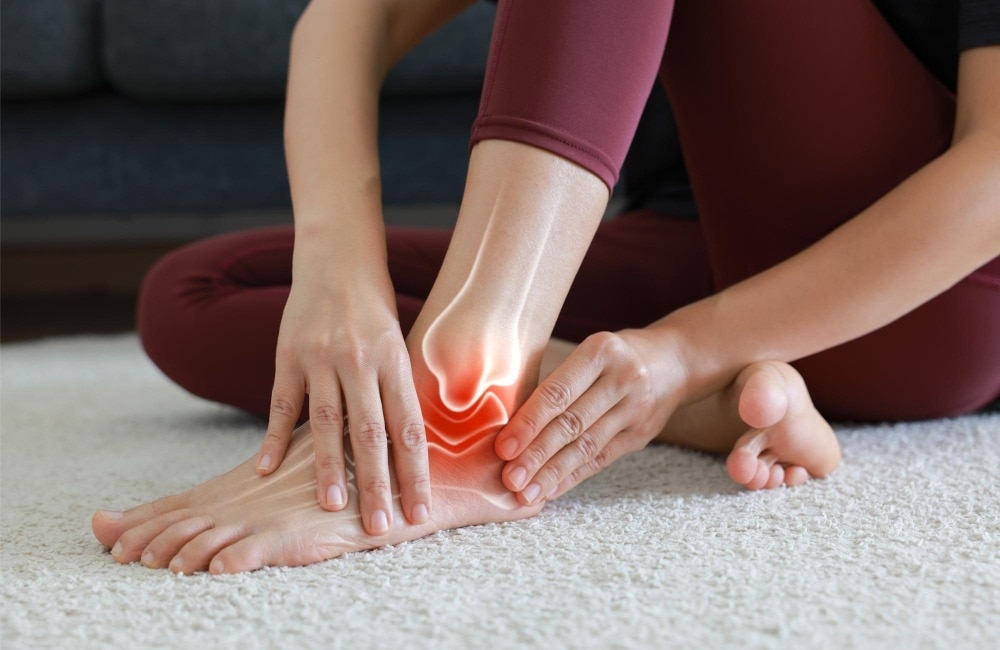
An injury becomes complex when it affects several structures, threatens joint stability, or demands a high-level return to sport. A single-structure injury may need one focused treatment plan; complex sports injuries require decisions about how each damaged part affects the others.
A combined ligament and meniscus injury can leave the knee unstable and unable to absorb load normally. Cartilage damage adds a long-term joint-health concern, while a tendon injury and bone injury can limit both movement and the timing of rehabilitation. Recurrent instability, major swelling, lost range of motion or multiple dislocations make recovery more demanding.
Some features make the case urgent rather than merely difficult:
- An open fracture, severe soft-tissue damage or contamination raises the risk of infection and may require immediate cleaning and stabilisation.
- Numbness, weakness, a pale or cold limb, absent pulses or worsening pain can indicate nerve or blood-vessel involvement.
- A fracture-dislocation can damage the joint while also disrupting its stabilising ligaments.
- An athlete in a contact, overhead or pivoting sport faces stricter functional demands than someone returning to ordinary daily activity.
| Feature | Why it complicates recovery | Typical planning consequence |
|---|---|---|
| Multiple damaged structures | One repair can alter tension or loading elsewhere | Coordinate protection, surgery and rehabilitation |
| Joint-surface damage | Irregular cartilage or displaced bone can impair motion | Prioritise accurate assessment and long-term joint protection |
| High-demand sport | Strength and control must withstand rapid, repeated loads | Use sport-specific testing before competition |
How the surgeon finds the full injury and chooses treatment
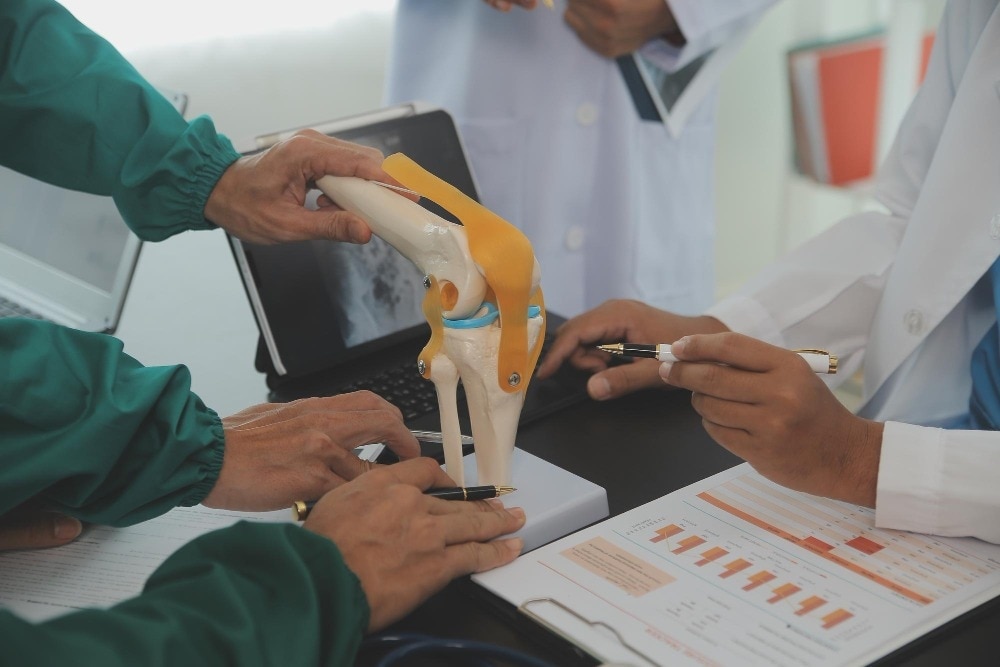
The surgeon chooses surgery, rehabilitation, protection or observation by matching the full injury to its risks and the athlete’s demands. A sports injury assessment starts with how the injury happened, immediate swelling, locking, giving way, previous injuries, training level and the athlete’s required movements.
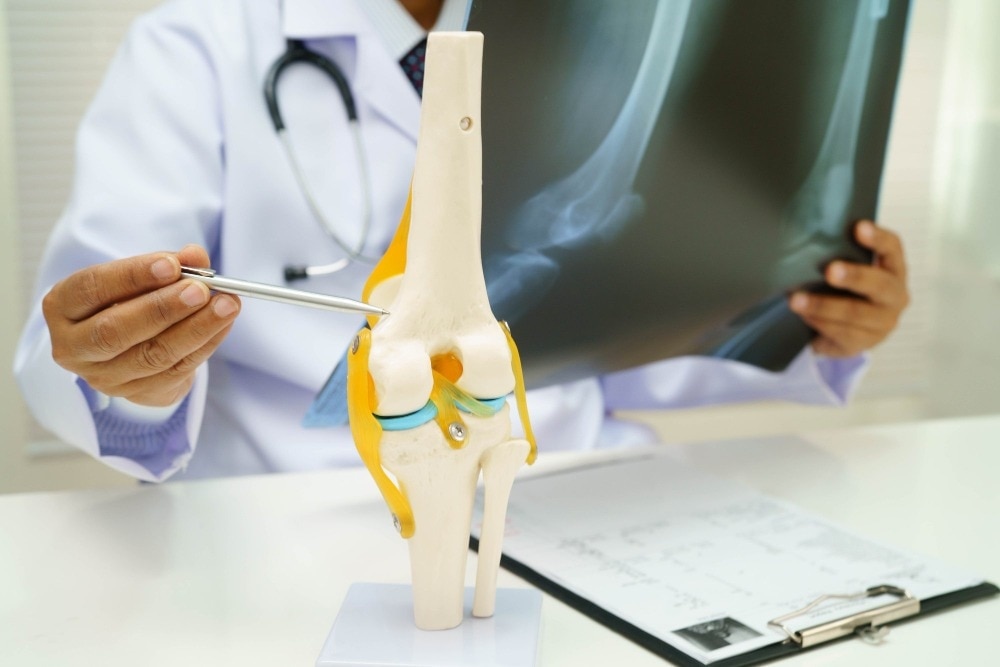
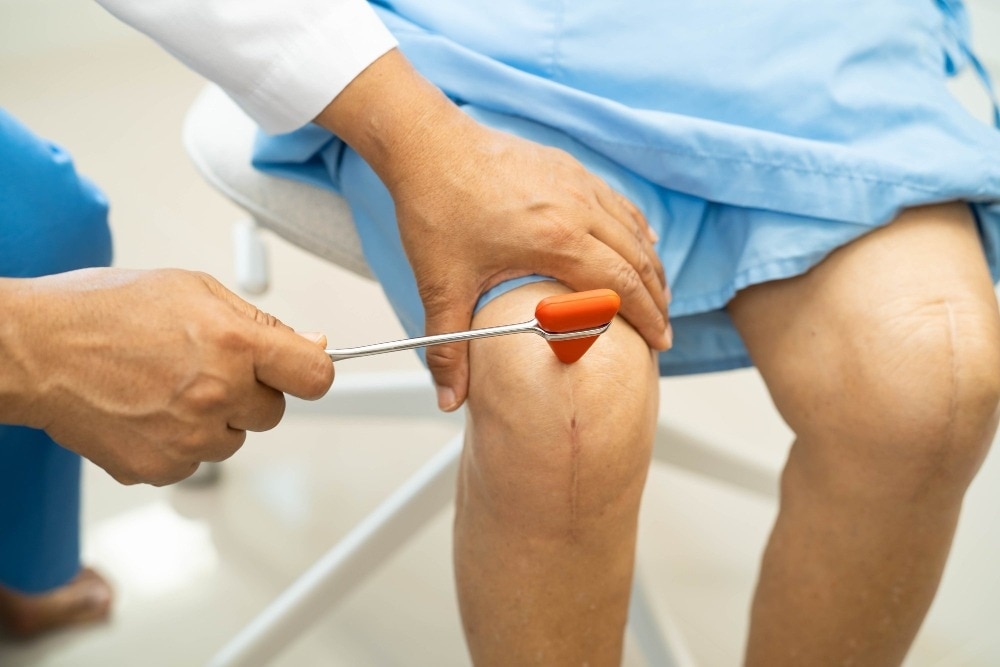
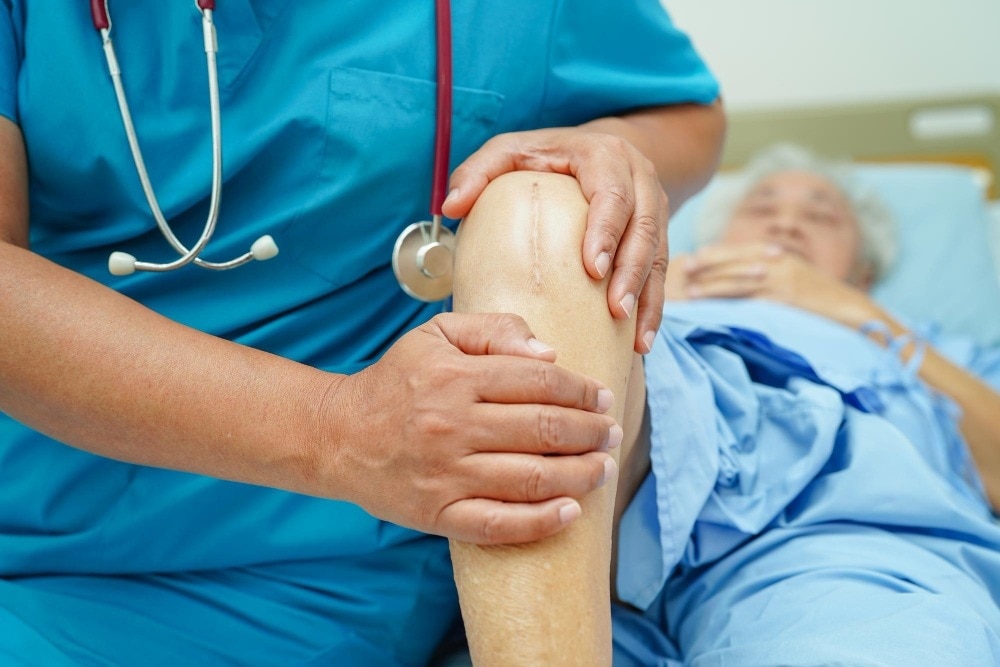
A physical examination checks tenderness, swelling, skin and soft tissues, circulation, nerve function, range of motion, strength and joint stability. It also tests whether pain comes from the suspected structure or from another source.
Imaging answers different questions:
- X-ray shows fracture, alignment, dislocation, bone loss and arthritis.
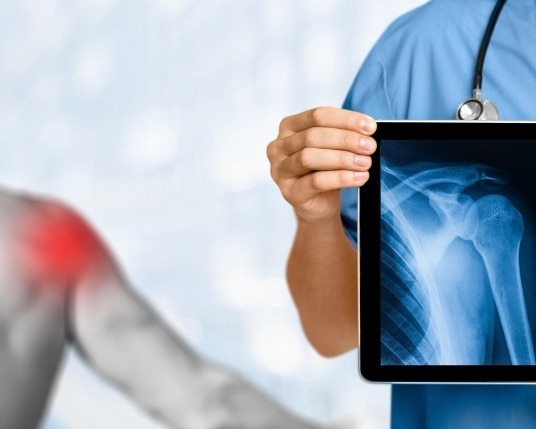
- MRI shows ligaments, menisci, cartilage, tendons, labral tissue and hidden bone injury.
- CT scan defines complex fracture lines and joint-surface damage for surgical planning.
- Ultrasound assesses selected tendons dynamically and allows comparison during movement.
An abnormal MRI does not prove that a shoulder finding causes pain. The surgeon compares the scan with symptoms, examination results and sporting movements before recommending treatment.
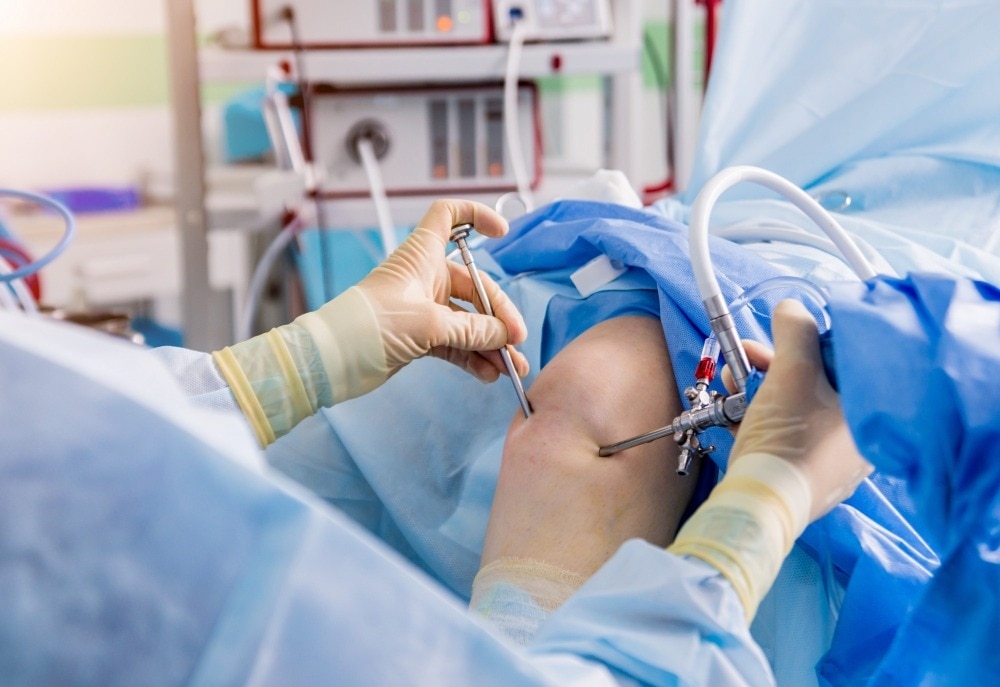
Surgery becomes more likely with displaced joint fractures, open fractures, trapped tissue, nerve or blood-vessel injury, persistent locking, or instability that threatens function. Casting, bracing, protected weight-bearing or observation can suit stable injuries that are healing safely. Physiotherapy becomes central when motion, strength and control can return without reconstruction.
For a suspected ACL rupture, swelling and lost extension are addressed before the ACL reconstruction decision. Athletes without repeated giving way and those who do not need high-demand pivoting sport may recover through structured rehabilitation instead of surgery. Even after reconstruction, meniscus damage, cartilage loss, body weight and later loading influence joint health.
Why treatment is sometimes staged instead of completed at once
Staged surgery is needed when fixing everything at once would damage threatened tissue, miss contamination or leave an unstable repair in a swollen, unsafe environment. Surgeons consider soft-tissue injury, open wounds, fracture pattern, joint stability, nerve or blood-vessel damage, infection risk, bone quality and the athlete’s rehabilitation demands.
Open fracture treatment begins with wound coverage, intravenous antibiotics, tetanus assessment, splintage and repeated neurovascular checks. Urgent debridement removes contaminated and non-viable tissue. A temporary external fixator may hold alignment while swelling settles; definitive fracture fixation and soft-tissue coverage follow when the limb can safely tolerate them.
- The first procedure controls immediate threats: bleeding, contamination, pressure and gross instability. The surgeon cleans the wound, protects exposed structures and stabilises the bone or joint.
- Between procedures, you receive wound reviews, antibiotics when indicated, elevation, swelling control and checks of skin, pulses, sensation and movement. Repeat X-rays or CT scans confirm alignment before definitive fixation.
- The next operation restores durable stability, repairs ligaments or tendons, and closes or covers the wound. Surgeons delay it until soft-tissue healing has created suitable coverage, not simply until the calendar reaches a planned date.
- Rehabilitation then protects the new fixation while restoring safe motion. An elbow, for example, needs early protected movement once stable because prolonged immobilisation rapidly causes stiffness.
How rehabilitation rebuilds movement, strength and sporting ability
Progress is earned in stages: protect the repair or fracture first, then restore movement, build force, control the limb, and expose it to increasing sporting demands.
1. Protection and swelling control come first. Bracing, crutches, casting or restricted weight-bearing protect healing tissue, while elevation, compression and prescribed exercises reduce swelling. Excess swelling limits muscle activation and stiffens the joint.
2. Physiotherapy then restores safe range of motion and basic movement. The athlete works on joint mobility, walking mechanics and pain-free control without forcing a healing repair. A meniscus repair, fracture fixation or tendon repair may require slower progression than an uncomplicated sprain.
3. Strength returns through gradually heavier, controlled exercises for the injured limb and the trunk. Strength and conditioning work then rebuilds the capacity needed for repeated loading, rather than testing maximum power too early.
4. Neuromuscular training teaches the brain and muscles to stabilise the joint during single-leg balance, landing, deceleration and changes of direction. Skipping this stage can leave an athlete strong in the gym but poorly controlled on the field.
5. Running begins with walking-to-jogging intervals after swelling, motion, strength and impact tolerance meet the treating team’s criteria. The programme advances from straight-line running to acceleration, braking and agility.
6. Sport-specific training adds passing, cutting, contact, overhead work or jumping at controlled intensity before full practice. Sports injury rehabilitation ends with a graded return to training and competition, not simply a pain-free walk. Clearance also considers confidence, fatigue-related control and the demands of the athlete’s position.
What proves an athlete is ready to return to competition
Return to sport criteria require more than a healed scan or a pain-free jog. The athlete needs a quiet joint without significant swelling, near-symmetrical joint stability and range of motion, adequate strength symmetry, and confidence during sport-specific tasks.
| Measure | Objective finding | Why it matters |
|---|---|---|
| Strength | Quadriceps, hamstring, hip or shoulder strength reaches at least 90% of the uninjured side, measured with a dynamometer | Shows the injured limb can tolerate force |
| Hop test | Single-leg hop, triple hop, crossover hop and timed hop results reach about 90% limb symmetry with controlled landing mechanics | Tests power, balance and deceleration |
| Stability and motion | No giving-way, a stable clinical examination, full or sport-appropriate range of motion, and no reactive swelling after loading | Indicates the repair or injured joint can handle movement |
| Sport simulation | Running, cutting, jumping, throwing or contact drills are completed at training intensity without pain, compensation or next-day swelling | Connects clinic performance to competition demands |
| Readiness | The athlete reports confidence and demonstrates sound decision-making under fatigue | Reduces the risk of hesitation and poorly controlled movement |
The 90% figure is a screening threshold, not permission by itself. A pivoting athlete, goalkeeper or contact-sport player may need stricter results, repeated testing and clearance from the treating team.
A surgeon, physiotherapist, strength coach and sports physician can compare test results with the repair, imaging, workload and competition demands. Dr. Nihar Modi can use that coordinated review to identify a strong test score that still conflicts with joint healing or safe loading. Clearance then becomes a documented decision, not a date on the calendar.
Related services
Sports injuries can affect ligaments, tendons, muscles, cartilage, bones, and joints. View service → |
may be used to treat structural problems that cause persistent pain, weakness, instability, restricted movement, or loss of shoulder function. View service → |
Frequently asked questions
What makes a sports injury complex?
An injury is complex when it affects several structures, threatens joint stability or requires a high-level return to sport.
How does a sports orthopaedic surgeon find the full injury?
The surgeon combines your injury history, physical examination, movement assessment and imaging such as X-rays or MRI scans.
Why is treatment sometimes staged?
Staged treatment lets urgent problems receive attention first while protecting healing tissues and preparing the joint for later rehabilitation or surgery.
How do athletes rebuild movement and strength after treatment?
Rehabilitation progresses from pain and swelling control to mobility, strength, balance, sport-specific drills and controlled loading.
What proves an athlete is ready to return to competition?
Readiness involves restored range of motion, strength, movement control, confidence and successful sport-specific testing without a symptom flare.
Related services
Ligament reconstruction is a surgical procedure used to restore stability when a damaged ligament cannot provide adequate functional support. View service → |
may be considered when pain, instability, locking, or loss of function is caused by a structural problem that has not improved with appropriate... View service → |
Fractures are breaks or cracks in bone that can occur after falls, sports injuries, road traffic accidents, direct blows, or other significant... View service → |
Tendons connect muscles to bones and transmit the force needed for movement. View service → |