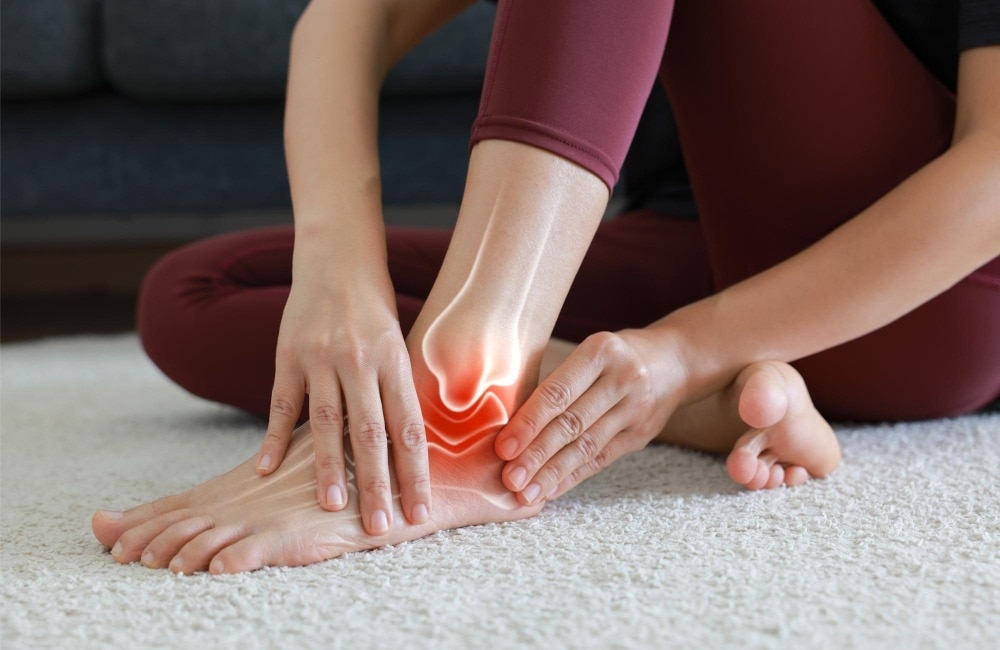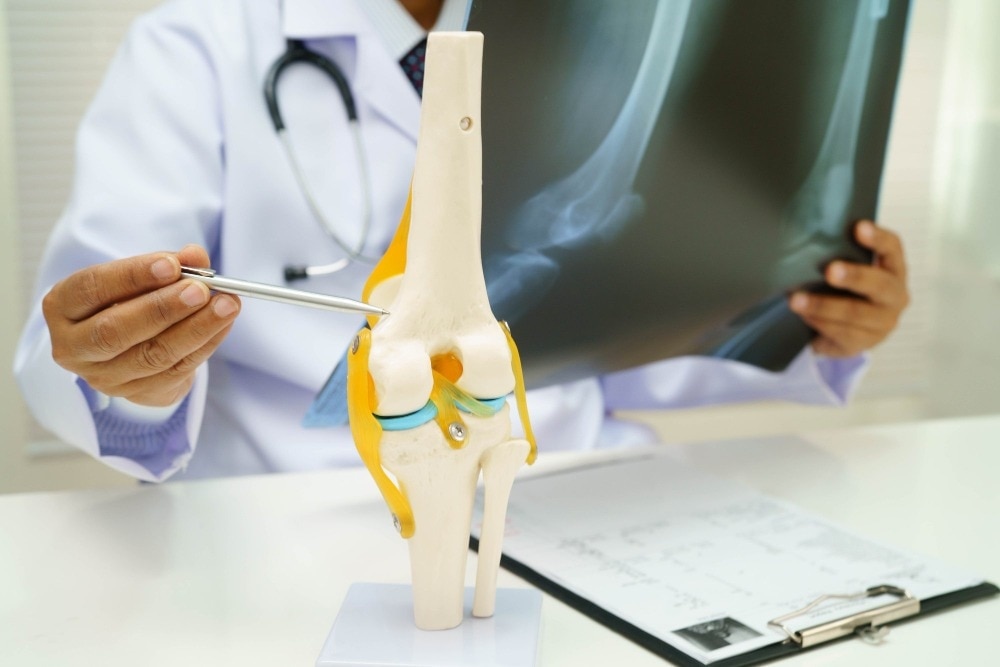

Shoulder pain that lasts for months, returns after treatment, wakes you at night, or leaves you weaker deserves a structured assessment—not an automatic operation. By the end, you will know which symptoms, examination findings, scans and treatment history make arthroscopy reasonable, and when continued rehabilitation or another procedure is the better choice.
Key takeaways
- Seek assessment for pain lasting weeks, recurring, or limiting strength and daily function.
- Try activity changes, pain relief, and structured rehabilitation before considering surgery.
- Arthroscopy decisions combine examination findings, imaging results, symptoms, and failed non-surgical care.
- The procedure depends on whether the problem involves the rotator cuff, labrum, joint, or impingement.
When does persistent shoulder pain need more than routine self-care?
Persistent shoulder pain needs orthopaedic assessment when it lasts several weeks despite sensible self-care, continues for months, or keeps returning after brief improvement. Night shoulder pain, measurable loss of shoulder strength, and failure to regain dressing, reaching, lifting, work or sporting function are reasons to stop simply waiting.
Duration alone does not prove that arthroscopy is needed; it signals that the diagnosis and treatment plan deserve review.
The difference between active versus passive range of motion helps explain why. A clinician compares what you can move yourself with what the examiner can move for you:
| Finding | What it suggests | Why assessment matters |
|---|---|---|
| Markedly reduced active movement, near-normal passive movement | Weakness or pain inhibition, including a rotator-cuff tear | A traumatic full-thickness tear with sudden weakness needs prompt review |
| Both active and passive movement restricted | Stiff shoulder, arthritis or painful inflammation | Treatment may differ from tendon surgery |
| Normal movement with recurrent catching or instability | Labral injury or loose body | Imaging and stability testing may be needed |
Seek prompt medical assessment for sudden inability to lift the arm after trauma, a visibly deformed shoulder, or severe pain with neurological symptoms such as numbness or new weakness. Fever with a hot, swollen joint, or unexplained weight loss also needs urgent evaluation.
Fracture, dislocation, infection, cervical nerve disease and systemic illness can mimic shoulder tendon pain.
What should you try before considering shoulder arthroscopy?
Before arthroscopy, most people try a structured non-surgical plan matched to the suspected cause of pain. Persistent symptoms alone do not make surgery necessary.
1. Use activity modification, not complete rest. Avoid heavy overhead lifting, painful throwing or repetitive loading while keeping the shoulder moving within tolerable limits. Complete rest can increase stiffness and weakness.
2. Use paracetamol or an anti-inflammatory medicine when it is safe for you. Stomach ulcers, kidney disease, blood thinners, pregnancy and some heart conditions can make anti-inflammatory drugs unsuitable, so confirm the choice with a clinician.
3. Follow physiotherapy for shoulder pain. Treatment may include mobility work, rotator-cuff strengthening and scapular strengthening exercises for shoulder pain, progressing from controlled movement to the lifting, work or sport you need.
4. Consider an injection when the diagnosis supports it. A corticosteroid injection may reduce pain from bursitis or an inflamed joint and help you participate in rehabilitation; it does not repair a torn tendon, and repeated injections need careful discussion.
There is no universal three-month or six-month rule. A traumatic tear with sudden weakness may need earlier surgical assessment, while a degenerative tendon problem can justify a longer rehabilitation trial. Severe stiffness, measurable weakness and your response to treatment also change the timeline.
Adherence matters. Do not judge surgery against a physiotherapy programme stopped before strength, movement and everyday function could be properly assessed. Surgery becomes more reasonable when a specific problem remains disabling despite appropriate treatment and matches the examination and imaging.
Which examination and imaging findings support arthroscopy?
Arthroscopy is supported when a specific structural problem matches your symptoms and examination, not because a scan looks abnormal. The clinician checks tenderness, strength, instability signs, active and passive movement, and neck or nerve symptoms before assigning blame to the shoulder.
| Test | Best at showing | Findings that may support arthroscopy |
|---|---|---|
| shoulder X-ray | Arthritis, fractures, bone spurs and other bone changes | A loose body, fracture-related problem or arthritis that matches the pain |
| shoulder ultrasound | Dynamic rotator-cuff movement and bursitis | A repairable tear with weakness, or persistent bursitis after appropriate care |
| shoulder MRI | Tendons, cartilage, labrum and other soft tissues | A traumatic full-thickness tear, matching weakness, loose body or significant joint damage |
| MR arthrography shoulder labrum | Labral injury and instability-related detail | A labral lesion that matches recurrent dislocation or subluxation |
The strongest pattern is a traumatic full-thickness rotator-cuff tear followed by sudden weakness or loss of active elevation. Recurrent instability with a matching labral injury, a mobile loose body causing catching or locking, or persistent bursitis after suitable treatment supports a different decision from an incidental degenerative tear.
Look for agreement between:
- The history and the scan
- Tenderness and the structure shown
- Strength loss and a cuff tear
- Instability symptoms and a labral injury
- Restricted movement and the proposed treatment
An abnormal shoulder MRI alone does not justify surgery: full-thickness tears appeared in 34% of asymptomatic shoulders overall and 54% of asymptomatic people aged 60 or older. The examination must show that the image is the cause of pain and lost function.
How does the proposed arthroscopy change with the shoulder problem?
Arthroscopy is not one operation: the proposed procedure must answer a specific problem, not simply treat persistent pain.
| Procedure | Question it answers | Typical reason to consider it |
|---|---|---|
| Rotator cuff repair | Is a symptomatic, repairable tear causing weakness? | Traumatic or clinically important tear matching examination and imaging |
| Labral repair or shoulder stabilisation | Is recurrent instability linked to a matching labral injury? | Repeated dislocations or slipping with structural damage |
| Loose-body removal | Is a mobile fragment causing catching or locking? | Confirmed loose body inside the joint |
| Biceps tenodesis or selected SLAP treatment | Is the biceps anchor causing symptoms, with degenerative labral tissue making repair unsuitable? | Decision shaped by age, work, sport and biceps findings |
| Capsular release | Has severe stiffness persisted despite non-operative care? | Resistant adhesive capsulitis with major loss of movement |
A superior-labral abnormality on MRI does not automatically justify labral repair. Debridement or biceps tenodesis may fit degenerative tissue better; ask what biceps tenodesis shoulder recovery involves before comparing it with SLAP repair.
Subacromial decompression is not a routine treatment for atraumatic subacromial pain without a repairable tear. The CSAW and FIMPACT trials found no meaningful advantage over placebo or diagnostic arthroscopy and exercise.
Incision size does not predict recovery. Rotator cuff repair can require weeks of protected movement and months of rehabilitation, while loose-body removal may restore function faster. Every procedure still carries risks, including stiffness, infection, bleeding, nerve injury, blood clots and failed healing.
When is arthroscopy a better choice than continued rehabilitation or another treatment?
A scan alone does not justify surgery. The key shoulder arthroscopy indications are a confirmed structural problem, symptoms that limit your goals, and a reasonable expectation that treatment will improve function more than continued rehabilitation.
- Recurrent instability with a matching labral injury can justify stabilisation, especially after repeated dislocations or subluxations.
- A repairable traumatic full-thickness rotator-cuff tear with sudden weakness may favour repair over arthroscopy versus physiotherapy.
- A loose body causing catching or locking is suited to removal when it is clearly responsible for symptoms.
- Severe stiffness that persists despite an adequately followed rehabilitation programme can justify capsular release.
Degenerative cuff tears, atraumatic subacromial pain and many calcific tendon problems usually call for physiotherapy, appropriate medication or injection, and ultrasound-guided lavage for selected calcific deposits. Isolated acromioclavicular arthritis needs confirmed joint pain before distal-clavicle excision; incidental X-ray wear is not enough. Subacromial decompression is not routine for pain without a repairable tear.
Large tears, substantial bone loss, advanced arthritis or damaged joint surfaces may make open repair, stabilisation or joint replacement more suitable than arthroscopy.
Discuss shoulder arthroscopy risks, restrictions and shoulder surgery recovery time with Dr. Nihar Modi in Bandra West, using your examination, images and treatment history to weigh expected benefit against infection, stiffness, nerve injury, blood clots, pain and failed healing.
Related service
may be used to treat structural problems that cause persistent pain, weakness, instability, restricted movement, or loss of shoulder function. View service → |
Frequently asked questions
When does persistent shoulder pain need more than routine self-care?
Arrange an orthopaedic assessment when pain lasts several weeks despite sensible self-care, continues for months, or returns after brief improvement. Night pain, measurable weakness, and difficulty dressing, reaching, lifting, working, or playing sport also warrant assessment.
What should you try before considering shoulder arthroscopy?
Depending on the suspected cause, treatment may include activity modification, pain relief, targeted physiotherapy, and exercises to restore movement and strength. Your clinician should review progress before recommending surgery.
Which examination and imaging findings support arthroscopy?
The decision uses your symptom pattern, range of motion, strength, and specific examination tests alongside imaging such as X-rays, ultrasound, or MRI. Arthroscopy is more likely when these findings match a treatable structural problem and non-surgical care has not restored function.
How does the proposed arthroscopy change with the shoulder problem?
The procedure depends on the problem. Treatment may involve repairing a rotator cuff tear, stabilising a labral injury, removing inflamed tissue, treating impingement, or addressing damage inside the joint.
When is arthroscopy a better choice than continued rehabilitation or another treatment?
Arthroscopy becomes a stronger option when a confirmed structural problem continues to cause pain or functional loss despite appropriate rehabilitation, or when the injury requires repair. Your surgeon should compare expected benefits, recovery demands, and non-surgical alternatives.