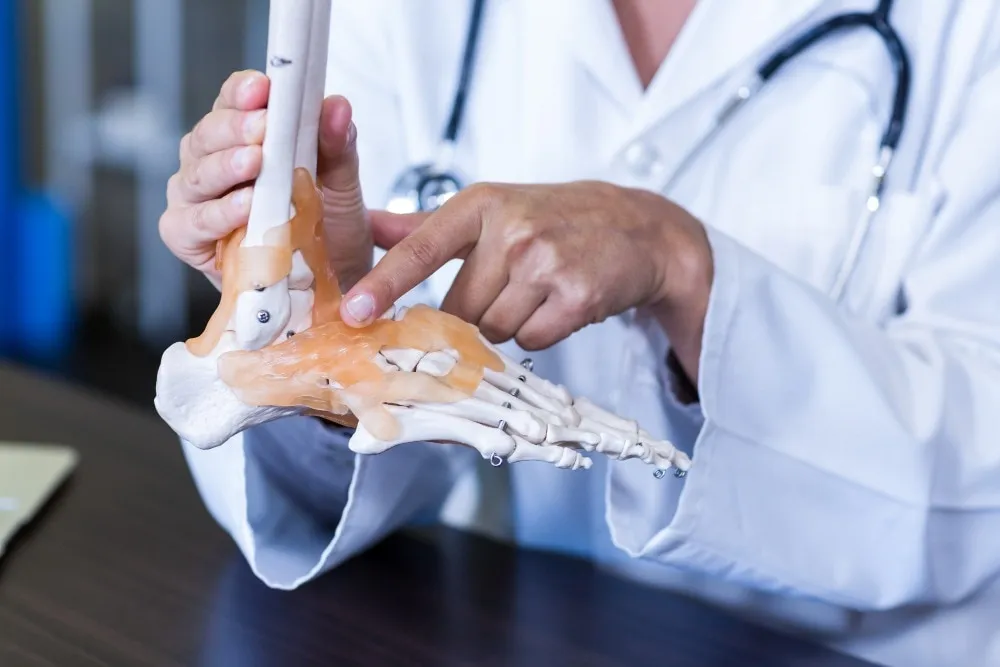
A sports injury can involve far more than a broken bone, and the right specialist depends on the injured structure, severity, and effect on movement. By the end, you will know which injuries an orthopaedic specialist evaluates, when you need emergency care, and what assessment and rehabilitation may involve.
Key takeaways
- Orthopaedic specialists treat ligaments, tendons, cartilage, muscles, nerves, and bones.
- Seek emergency care for severe deformity, uncontrolled bleeding, numbness, or a cold limb.
- Diagnosis can involve an examination, movement tests, X-rays, ultrasound, or MRI.
- Return to sport depends on pain, strength, movement, healing, and sport-specific testing.
What a Bone Specialist Treats Beyond Broken Bones
A bone specialist in Mumbai usually means an orthopaedic surgeon, but sports-injury care extends beyond bones. It covers joints, ligaments, tendons, muscles, cartilage, nerves, and the movement patterns that let you run, lift, land, and change direction.
| Professional | Main role | What this means for you |
|---|---|---|
| Orthopaedic surgeon | Diagnoses injuries and decides whether surgery is needed | Treats fractures, dislocations, ligament tears, joint problems, and severe soft-tissue injuries |
| Sports injury doctor in Mumbai | May be an orthopaedic sports surgeon or a non-operative sports-medicine physician | Assesses sporting injuries and chooses between rehabilitation, injections, bracing, or surgical review |
| Physiotherapist | Assesses movement, strength, balance, and control | Leads rehabilitation and measures whether your function is improving |
| Emergency doctor | Handles immediate threats after severe trauma | Treats deformity, open injuries, circulation loss, severe pain, and major trauma before specialist follow-up |
These professionals are not interchangeable. An emergency doctor stabilises urgent problems; an orthopaedic surgeon addresses structural damage; a sports-medicine physician manages non-operative care; and a physiotherapist rebuilds movement and strength.
They work as a team when you need imaging, surgical assessment, supervised rehabilitation, conditioning, and sport-specific clearance. Ask who will review your diagnosis, monitor progress, and decide when returning to play is safe.
The Sports Injuries Specialists Evaluate, From Shoulder to Spine
An orthopedic bone specialist in Mumbai may assess far more than a broken bone. Sports injuries include sudden trauma, repeated loading, and movement problems involving joints, ligaments, tendons, muscles, cartilage, and the spine.
- Shoulder: dislocation, collarbone fracture, rotator-cuff tendinopathy, partial or complete tendon tear, and shoulder instability.
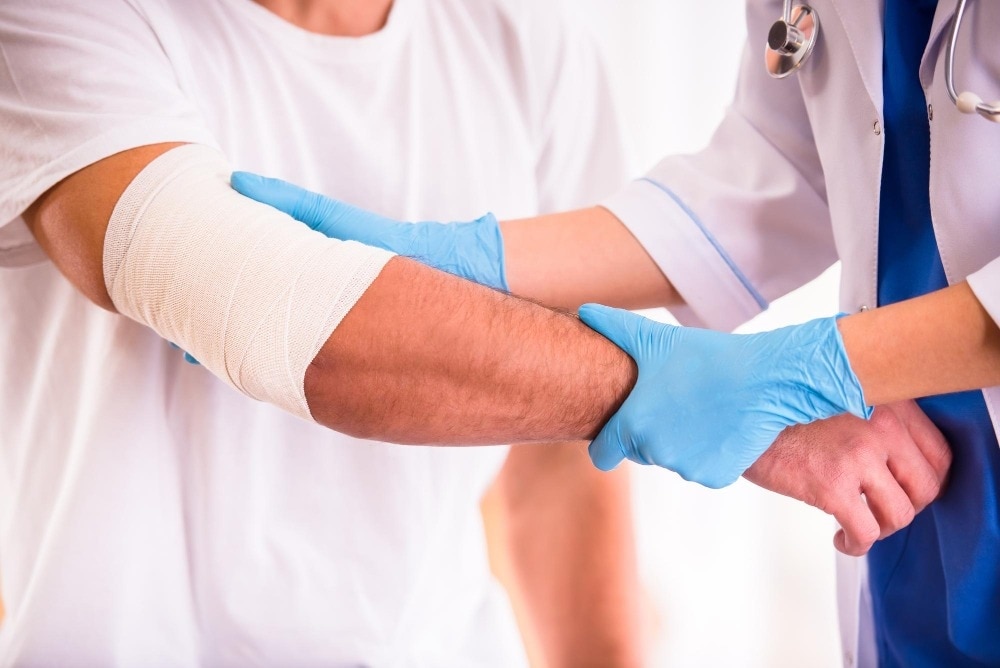
- Elbow and wrist: fractures, dislocations, ligament injuries, tendon problems, and overuse pain from throwing, racquet sports, or weight training.
- Hip and groin: stress fractures, muscle strains, tendon injuries, labral or cartilage damage, and pain triggered by sprinting, kicking, or changing direction.
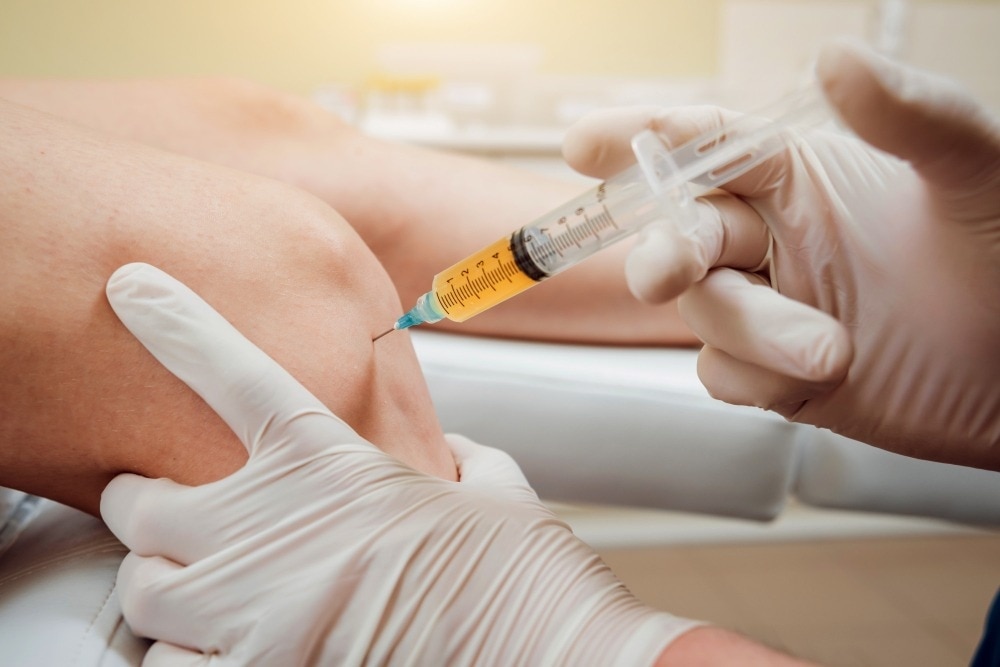
- Knee: ACL and other ligament tears, meniscus or cartilage damage, fractures, tendon ruptures, and instability or locking. An ACL tear does not automatically mean immediate surgery; stable knees without recurrent giving-way may improve with rehabilitation.
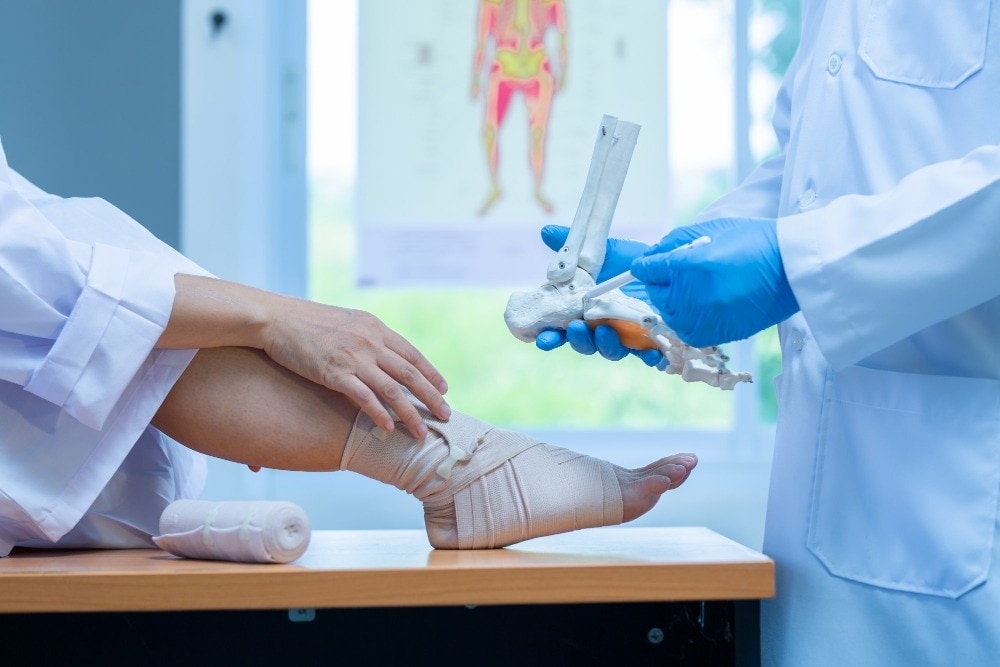
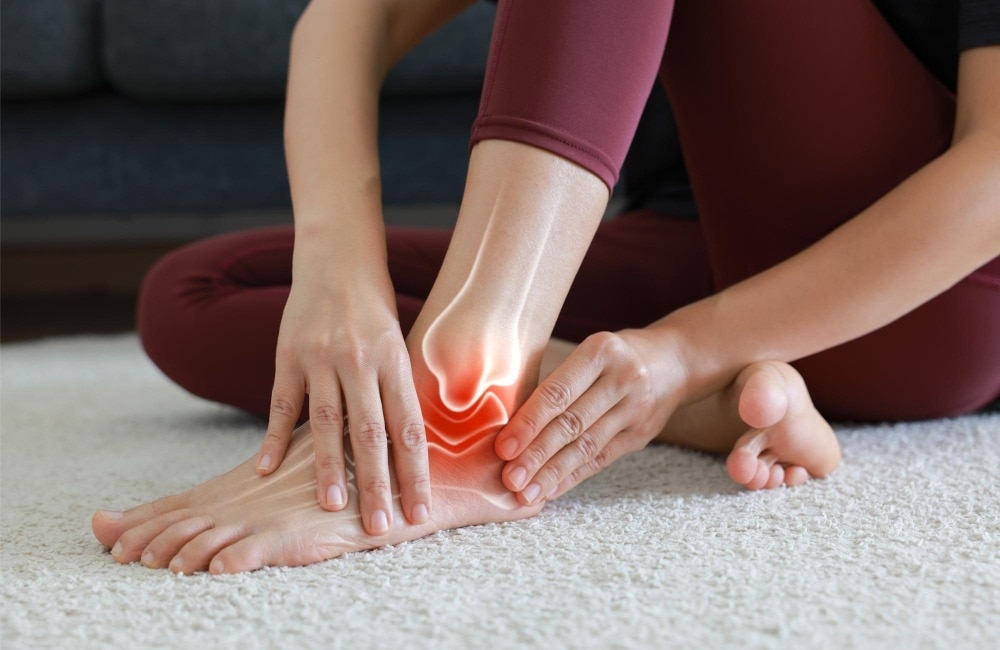
- Ankle and foot: sprains, dislocations, fractures, stress fractures, tendon ruptures, plantar or Achilles tendinopathy, and overuse injuries.
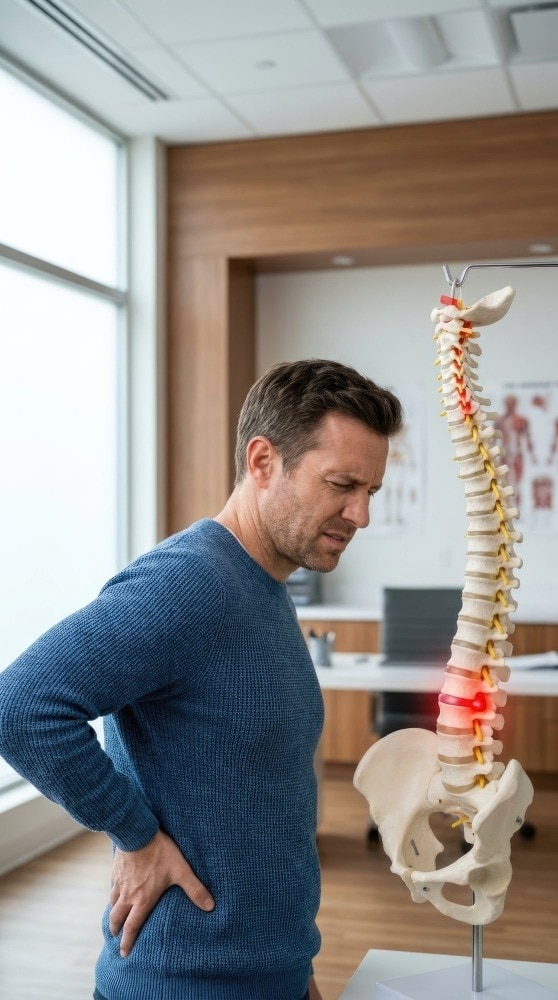
- Spine: sports-related neck or back pain, muscle strains, disc-related symptoms, and stress injuries linked to repeated extension or impact.
A scan can show tendon thickening or a partial tear without identifying the pain source. Asymptomatic abnormalities are common, so the specialist must match imaging with tenderness, strength, range of motion, movement quality, and sport-specific functional tests before recommending treatment.
How the Specialist Finds the Injured Structure
The assessment starts by locating the injured structure, not by ordering a scan. A bone specialist for sports injuries in Mumbai will ask how the injury happened: contact, a twist, a landing, or a sudden load; what you felt immediately; and whether you can bear weight or use the limb.
The history also covers symptoms that change the examination:
- Swelling or bruising, and how quickly they appeared
- Locking, giving way, reduced movement, or weakness
- Night pain or pain that returns with activity
- Previous injuries, surgery, or similar episodes
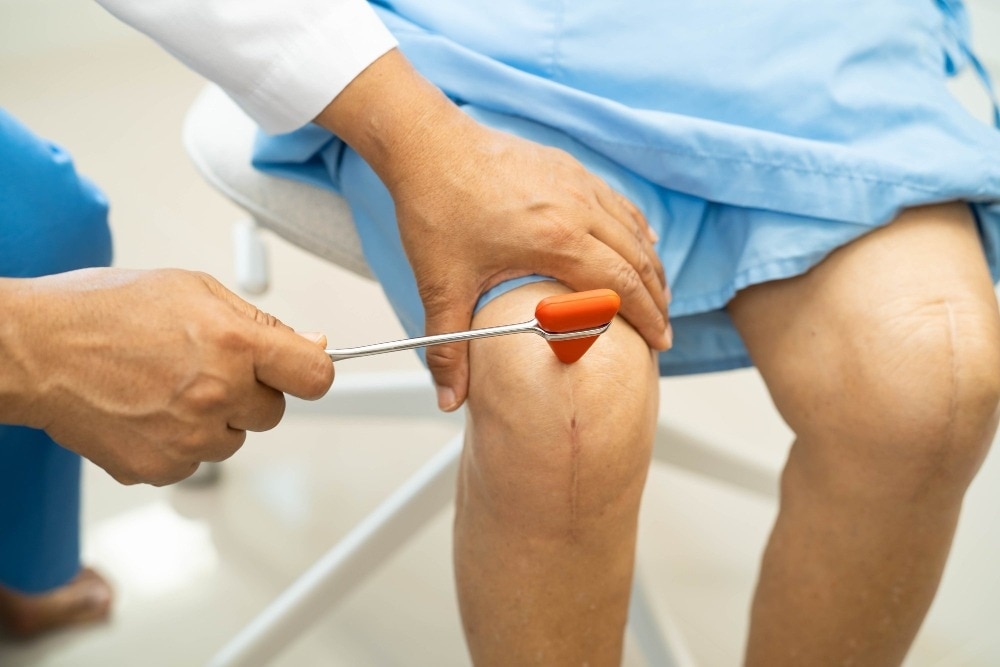
The specialist then compares both sides, checks tenderness, movement, strength, stability, sensation, and circulation, and tests the movements that reproduce your sport-specific pain.
A normal X-ray does not exclude a stress fracture, ligament tear, cartilage injury, or early overuse condition because radiographs show bone alignment and many bone changes, but not most soft-tissue damage or early stress injury.
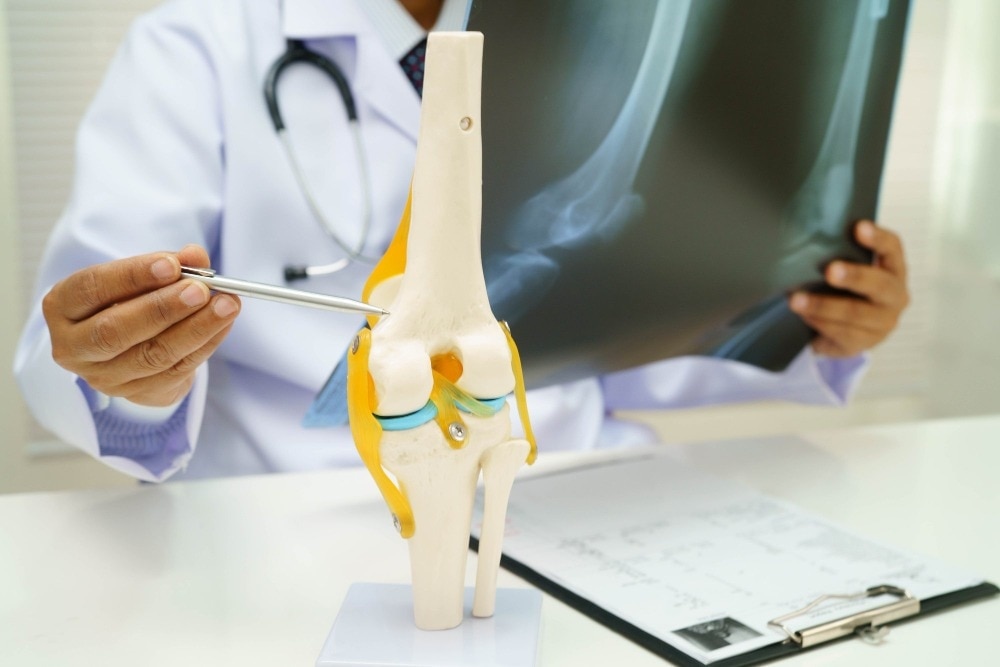
Radiographs help assess suspected fractures or dislocations. MRI adds detail for stress injury, cartilage, meniscus, ligament, or persistent unexplained symptoms; ultrasound can assess selected tendons and muscles dynamically. Follow-up imaging becomes useful when symptoms persist or the first scan was too early.
For acute ankle or foot trauma, the Ottawa Ankle Rules support radiographs when there is tenderness over either malleolus, the navicular, or the base of the fifth metatarsal, or when you cannot take four steps. After acute knee trauma, MRI is not automatic; use it when suspected internal derangement would change management.
When a Sports Injury Needs Emergency Care
Go to a Mumbai emergency department rather than booking a routine clinic appointment if a sports injury causes any of these signs:
| Sign | Choose | Why |
|---|---|---|
| Obvious deformity or an open wound over a suspected fracture | Emergency department | The bone or joint may need urgent protection, reduction, or surgery |
| Numbness, absent or reduced pulses, or inability to use or bear weight through the limb | Emergency department | Nerve or blood-vessel injury can threaten the limb |
| Rapidly increasing swelling or severe, uncontrolled pain | Emergency department | Pressure or bleeding may be worsening |
Compartment syndrome is an emergency. Warning signs include pain far worse than the injury suggests, pain when someone gently stretches the affected fingers or toes, tense swelling, numbness, or weakness. Waiting for an MRI or physiotherapy appointment can permanently damage muscle and nerves.
Protect a suspected fracture, remove tight rings or other constricting items, and avoid massage, forceful manipulation, or playing through pain until assessed. These actions can worsen displacement or soft-tissue injury.
Prompt sports injury treatment in Mumbai is still important when pain is mild but swelling persists, the joint repeatedly gives way, night pain develops, movement becomes restricted, or pain returns whenever activity resumes. Arrange a timely orthopaedic or sports-medicine assessment rather than waiting for symptoms to become severe.
What Treatment and Return to Sport Can Involve
Treatment follows the injured structure, stability, symptoms, examination findings, and sporting demands—not the scan alone. Initial care may combine protection, temporary activity modification, pain control, early protected movement, and progressive rehabilitation.
1. For sprains, strains, tendinopathies, selected ACL tears, non-locking meniscal injuries, and many rotator-cuff problems, rehabilitation can come before surgery. It may restore movement, strength, balance, and load tolerance under supervision.
2. Protect a suspected fracture and obtain assessment before massage, manipulation, or playing through pain. Continuing activity can worsen displacement or soft-tissue damage; treatment may require immobilisation, follow-up X-rays, reduction, or fixation.
3. Seek prompt orthopaedic review for a locked knee, recurrent instability, displaced fracture, or tear that may be repairable. These findings can change the value and timing of surgery.
4. A complete sports injury treatment plan in Mumbai may involve orthopaedic review, radiology, physiotherapy, conditioning, and dietetic or psychological support. Ask who will measure progress and provide sport-specific clearance, not only whether an orthopedic bone specialist in Mumbai operates.
Return to sport should follow near-symptom-free sport-specific movement, near-normal range, strength and balance close to the uninjured side, and increased training loads without a flare-up. A calendar date cannot provide clearance. Assess whether the business coordinates diagnosis, rehabilitation supervision, and return-to-play guidance rather than handing you separate appointments.
Related services
Sports Injury Treatment Sports injuries can affect ligaments, tendons, muscles, cartilage, bones, and joints. |
Fracture & Trauma Care Fractures are breaks or cracks in bone that can occur after falls, sports injuries, road traffic accidents, direct blows, or other significant... |
Frequently asked questions
What does a bone specialist treat beyond broken bones?
An orthopaedic specialist treats sports injuries affecting joints, ligaments, tendons, muscles, cartilage, nerves, and bones.
Which sports injuries can a specialist evaluate?
A specialist can evaluate injuries from the shoulder, elbow, wrist, hand, hip, knee, ankle, foot, and spine, including sprains, strains, tears, dislocations, and fractures.
How does a specialist identify the injured structure?
The evaluation combines your injury history, physical examination, movement and stability tests, and imaging such as X-rays, ultrasound, or MRI when needed.
When does a sports injury need emergency care?
Seek emergency care for a severe deformity, an open fracture, uncontrolled bleeding, loss of feeling or movement, or a limb that becomes cold, pale, or blue.
What can sports injury treatment and return to sport involve?
Treatment can include activity changes, pain relief, immobilisation, physiotherapy, injections, or surgery. Return to sport follows restored movement, strength, control, and sport-specific readiness.
Related services
Fracture fixation is a surgical method used to stabilise a broken bone when non-operative treatment is unlikely to provide adequate alignment,... View service → |
Tendons connect muscles to bones and transmit the force needed for movement. View service → |
Shoulder Surgery may be used to treat structural problems that cause persistent pain, weakness, instability, restricted movement, or loss of shoulder function. |
Knee Surgery may be considered when pain, instability, locking, or loss of function is caused by a structural problem that has not improved with appropriate... |
Keywords