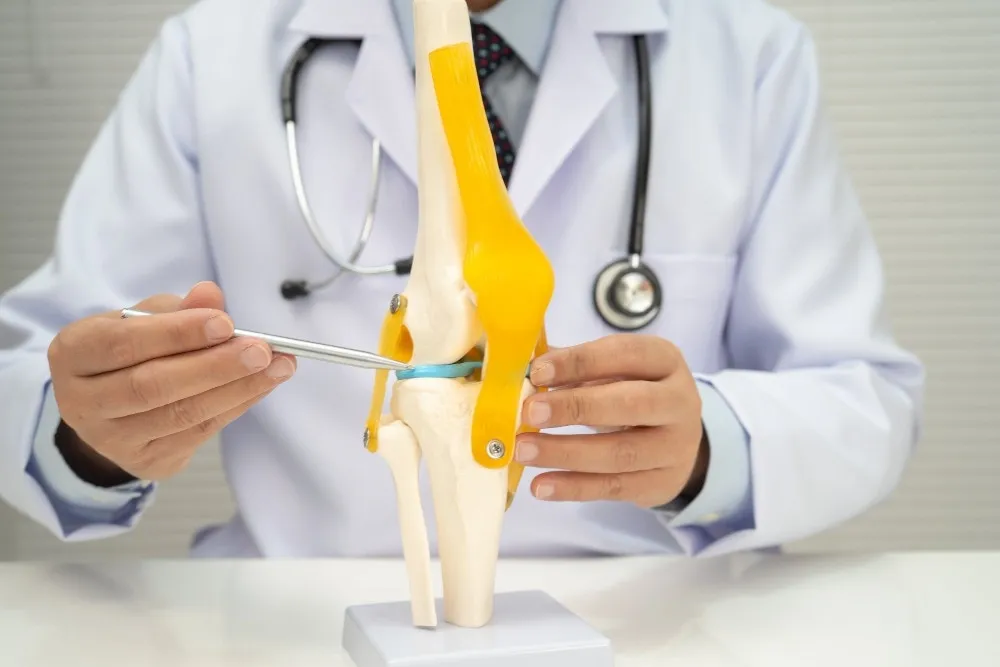
A sports injury needs the right level of care, not an automatic scan or a decision to operate. By the end, you will know which warning signs need emergency attention, what a specialist examines, when imaging helps, and how to compare treatment and rehabilitation options in Mumbai.
Key takeaways
- Seek emergency care for deformity, numbness, uncontrolled bleeding, or inability to bear weight.
- An orthopaedic assessment checks injury mechanism, swelling, stability, strength, and range of motion.
- MRI is useful for ligaments, tendons, cartilage, and persistent symptoms after an examination.
- Compare doctors by relevant sports-injury experience, diagnosis process, treatment options, and follow-up care.
When should a sports injury go to emergency care, an orthopaedic doctor, or physiotherapy?
Go to emergency care after a sports injury if any of these signs appear:
- A visible deformity, suspected dislocation, or loss of movement
- An open wound over a suspected fracture
- A cold, pale, numb, or weak limb
- Severe or rapidly increasing swelling
- Severe pain out of proportion to what you can see
- Inability to bear weight after significant trauma
These signs can indicate a fracture, dislocation, nerve injury, or impaired blood flow. Do not wait for a routine appointment.
Book an orthopaedic surgeon or sports-medicine doctor when pain persists, swelling keeps returning, the joint feels unstable, one spot remains sharply tender, or symptoms limit work or sport despite initial rest. An X-ray can be normal with ligament, tendon, cartilage, or early stress-bone injuries, so ongoing symptoms still deserve assessment.
Ask who will examine you and whether imaging will change treatment when comparing options for sports injury treatment in mumbai.
Physiotherapy fits after a serious injury has been assessed, or when a clinician identifies a suitable muscle injury, tendon problem, or uncomplicated sprain. Minor symptoms can be monitored with relative rest only while movement and function steadily improve; worsening symptoms need review.
A suspected concussion requires no same-day return to play. Seek emergency assessment for a worsening headache, repeated vomiting, confusion, seizure, unusual drowsiness, or focal neurological symptoms.
What does a bone specialist assess at the first sports-injury appointment?
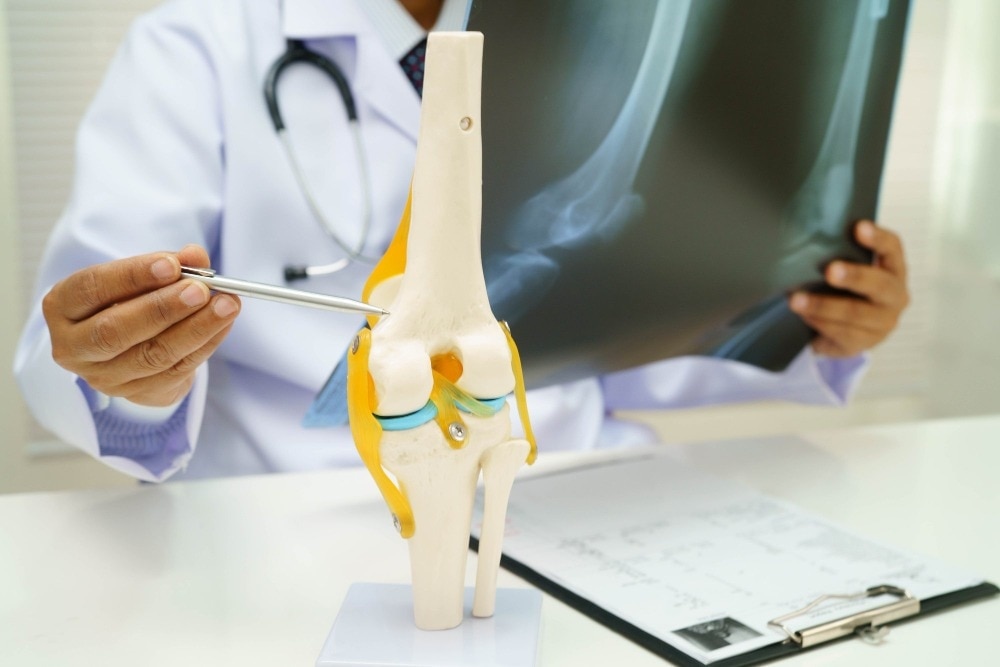
“Bone specialist” is a lay label, not a separate medical specialty. The clinician may be an orthopaedic surgeon with sports-medicine experience, a physical-medicine and rehabilitation physician, or a physiotherapist working within a supervised plan. Judge a sports injury orthopedic doctor in Mumbai by relevant training and the injuries they treat.
Expect questions about:
- How the injury happened and when symptoms began
- Training load, recent changes, sport, work demands, and previous injuries
- Pain behaviour, swelling, instability, locking, numbness, and weakness
- Medicines, medical conditions, and previous treatment
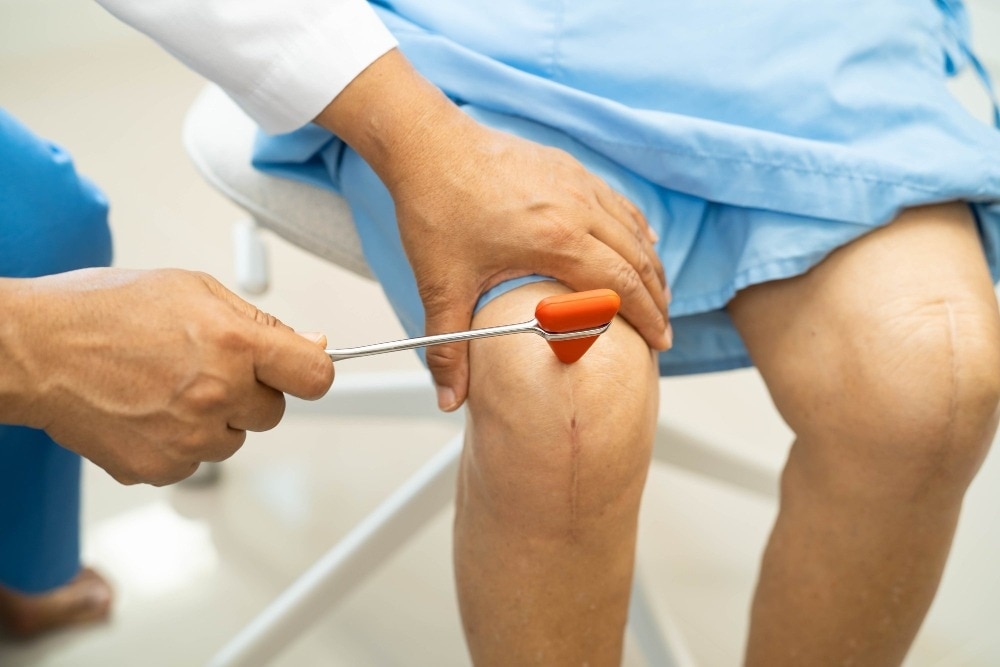
The examination compares both sides and checks:
- Alignment and focal bone tenderness
- Joint range and ligament stability
- Tendon strength and muscle function
- Sensation and pulses
- Ability to walk and bear weight
The clinician then identifies the likely structure:
- Bone injury or stress fracture
- Ligament sprain or tear
- Tendon injury or tendinopathy
- Muscle strain
- Cartilage or meniscal injury
- Joint dislocation
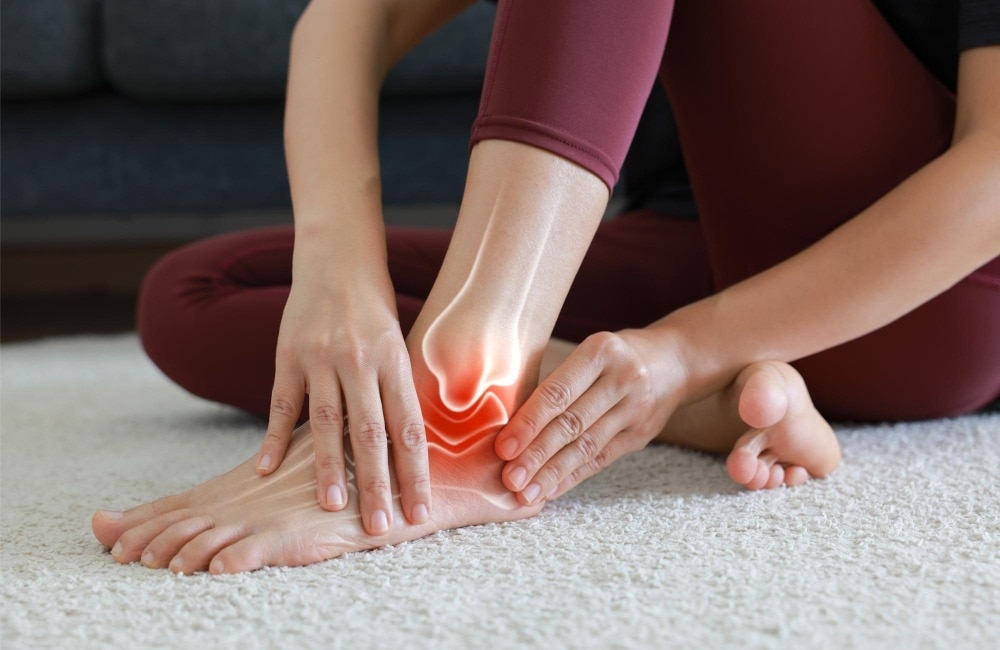
Pain location alone can mislead after knee, shoulder, ankle, elbow, or wrist injuries because swelling, referred pain, and several injured structures can overlap. A sore ankle is not automatically a fracture, just as shoulder pain does not prove a tendon tear.
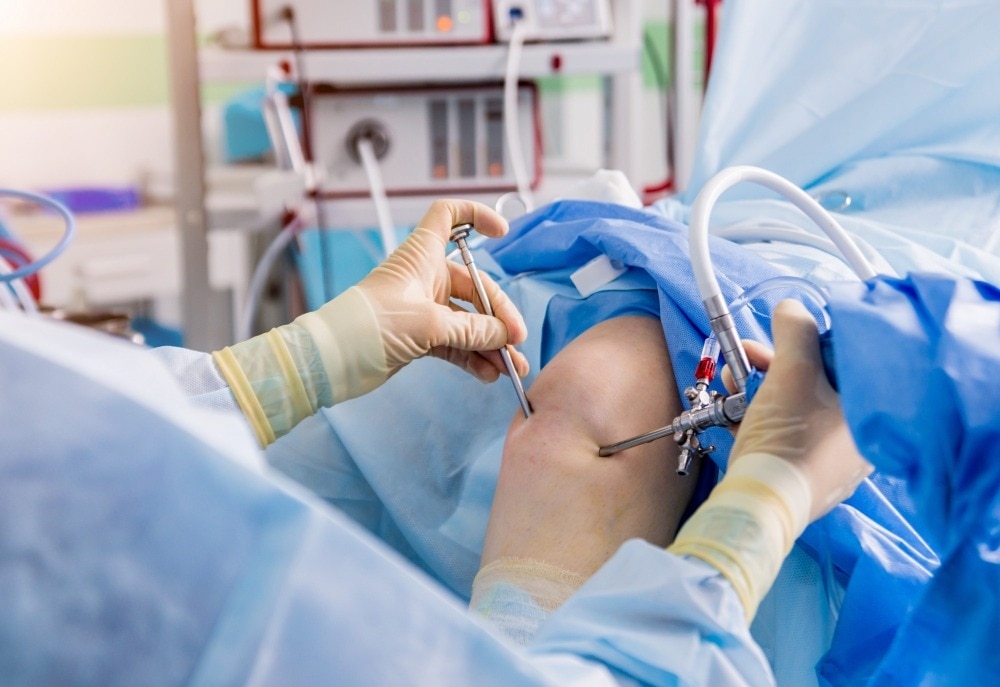
Findings guide the next step: imaging when a fracture or important soft-tissue injury needs clarification, protected movement when loading is unsafe, rehabilitation when function can be restored progressively, or surgical discussion when instability, dislocation, locking, major structural damage, or sport demands warrant it.
Which scan is useful for a sports injury, and when should you wait?
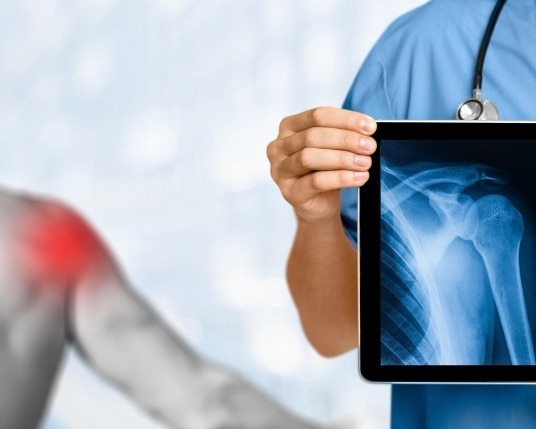
A scan should answer a clinical question, not replace an examination. X-rays are the first-line test for many suspected fractures and dislocations, but a normal radiograph can miss ligament, tendon, cartilage, and early stress-bone injuries. A young athlete can also have a growth-plate injury despite a normal X-ray.
| Test | Practical role | Main limit |
|---|---|---|
| X-ray | Shows many fractures, alignment problems, and dislocations quickly | Can miss soft-tissue damage, early stress injuries, and growth-plate injuries |
| Ultrasound | Assesses selected superficial tendons, muscle tears, fluid, and movement during a dynamic test | Does not fully show deep cartilage or every ligament |
| MRI | Shows soft tissue, bone marrow, cartilage, menisci, and many stress injuries | Best reserved for an important uncertain diagnosis or a result that will change treatment |
| CT | Gives detailed bone images and defines complex fractures, joint surfaces, and surgical anatomy | Uses radiation and is not the best test for most soft-tissue injuries |
For an acute ankle injury, the Ottawa Ankle Rules support ankle radiographs when there is bone tenderness at the posterior edge or tip of either malleolus, the base of the fifth metatarsal, or the navicular. Imaging is also supported when you cannot take four steps both immediately after injury and in the emergency department.
These rules reduce unnecessary X-rays; they do not rule out every ligament or tendon injury.
Do not wait for routine sports injury treatment in Mumbai if deformity, numbness, a cold limb, severe swelling, or inability to bear weight suggests urgent injury. For persistent focal pain, recurrent swelling, or instability after a normal X-ray, arrange specialist review rather than repeating activity.
How is sports injury treatment chosen before surgery?
Diagnosis determines the next step, not the fear of needing an operation. A clinician matches protection, rehabilitation, imaging findings, sport demands, and goals to the injury before discussing surgery.
1. Protect the area early: modify activity, use ice through a cloth barrier for short intervals, elevate the limb, and limit weight-bearing when walking is painful or unsafe. Use crutches when indicated, and consider a brace or tape for support. Ask the clinician to review medication safety against your medical history and current medicines.
2. Restore function gradually. Many sprains and muscle injuries recover faster with pain-limited movement and strength work than with prolonged complete rest, which can cause stiffness and deconditioning. Progress to balance, sport-specific drills, and a graded return; readiness depends on strength, control, movement, and sport function—not pain disappearing.
3. For tendinopathy, reduce the load that provokes symptoms, then rebuild tendon capacity with progressive resistance. Repeated passive treatment or indefinite rest does not improve load tolerance.
4. Reassess the plan as findings change. ACL surgery depends on instability, sport demands, associated meniscal or cartilage damage, examination findings, age, and goals. Meniscal locking, a repairable traumatic tear, or instability can alter an exercise-first plan; an MRI finding alone does not mandate arthroscopy.
In sports injury treatment in Mumbai, discuss whether an injection changes the cause or only masks symptoms. Corticosteroid relief can encourage premature loading and carries tendon-related risks at selected sites, so the indication, alternatives, injection location, and activity restrictions need clinician review.
How do you compare a sports injury orthopaedic doctor in Mumbai?
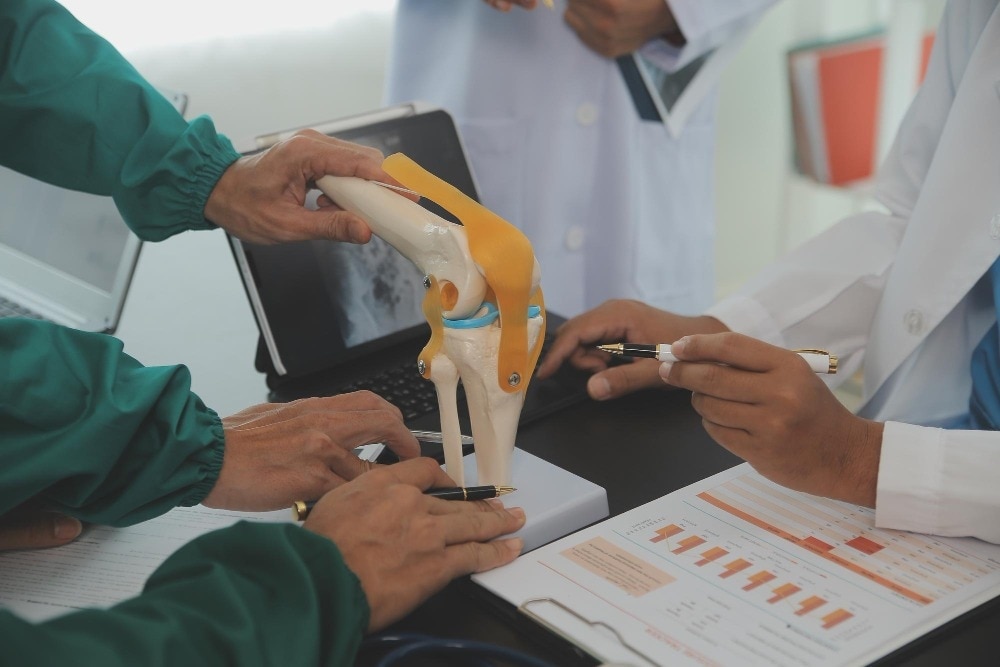
Choose a sports injury orthopedic doctor in Mumbai by the questions they answer, not by the title alone. Ask who will examine you, what diagnosis is suspected, which examination findings support it, and whether an X-ray, ultrasound, MRI, or CT will change treatment.
| Option | What to compare | Useful question |
|---|---|---|
| Orthopaedic surgeon | Injury-specific training and examination | What would make surgery unnecessary or necessary? |
| Rehabilitation physician | Function, loading, and non-operative recovery | What are the rehabilitation stages? |
| Physiotherapist | Supervised exercise within a diagnosis-led plan | Who reviews progress if symptoms worsen? |
Ask for clear milestones: expected time to walking, work, training, and competition; restrictions on driving and sport; follow-up timing; and the exact symptoms requiring urgent review.
- If the first scan is normal but pain, focal tenderness, swelling, weakness, or instability persists, what is the next step?
- For a young athlete, how will you assess a possible growth-plate injury despite a normal X-ray?
- For a knee injury, do instability, locking, meniscal damage, or cartilage damage change the plan?
- What should you do if numbness, a cold or pale limb, deformity, rapidly increasing swelling, or inability to bear weight develops?
A suitable orthopaedic practice such as Nanavati Orthopaedics is useful when examination, imaging decisions, treatment, and supervised rehabilitation connect. “Bone specialist for sports injuries in Mumbai” is less informative than relevant training, transparent reasoning, and a plan matched to your sport and goals. Bring prior reports, scan images, medication details, footwear, and a symptom timeline.
Related services
Sports Injury Treatment Sports injuries can affect ligaments, tendons, muscles, cartilage, bones, and joints. |
Fracture & Trauma Care Fractures are breaks or cracks in bone that can occur after falls, sports injuries, road traffic accidents, direct blows, or other significant... |
Frequently asked questions
When should a sports injury go to emergency care instead of an orthopaedic doctor?
Go to emergency care for a visible deformity, uncontrolled bleeding, an open wound over a suspected fracture, numbness, a cold or pale limb, severe swelling, or inability to bear weight after the injury. See an orthopaedic doctor for persistent pain, swelling, instability, restricted movement, or suspected bone, ligament, tendon, or cartilage damage without those emergency signs.
What does a bone specialist assess at the first sports-injury appointment?
The specialist asks how the injury happened, checks pain and swelling, examines alignment and tenderness, tests joint stability and range of motion, assesses muscle strength and nerve function, and decides whether imaging is needed.
Which scan is useful for a sports injury?
X-rays are useful for suspected fractures, dislocations, and bone alignment. MRI is useful for ligaments, tendons, cartilage, muscles, and hidden bone injuries. Ultrasound can assess some superficial tendons and guide dynamic examination. Choose imaging after an examination unless emergency signs require immediate assessment.
How is sports injury treatment chosen before surgery?
Treatment depends on the injured structure, severity, joint stability, activity demands, symptoms, imaging findings, and response to rehabilitation. Options can include protection, activity modification, medication, bracing, physiotherapy, and a staged return to sport before surgery is considered.
How do you compare a sports injury orthopaedic doctor in Mumbai?
Compare experience with your specific injury and sport, the clarity of the examination and diagnosis, willingness to explain non-surgical options, access to appropriate imaging and physiotherapy, surgical indications, and the planned follow-up and return-to-sport process.
Related services
Shoulder Surgery may be used to treat structural problems that cause persistent pain, weakness, instability, restricted movement, or loss of shoulder function. |
Fracture fixation is a surgical method used to stabilise a broken bone when non-operative treatment is unlikely to provide adequate alignment,... View service → |
Knee Surgery may be considered when pain, instability, locking, or loss of function is caused by a structural problem that has not improved with appropriate... |
Tendons connect muscles to bones and transmit the force needed for movement. View service → |
Keywords