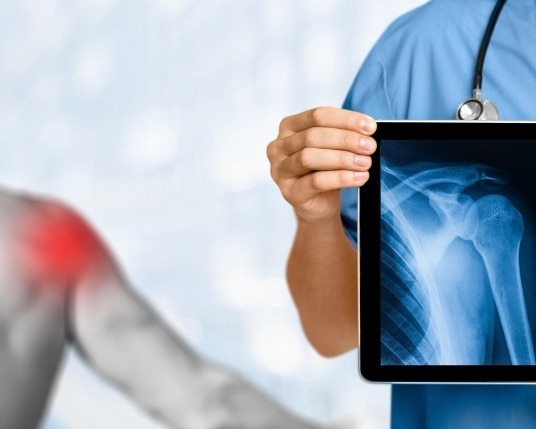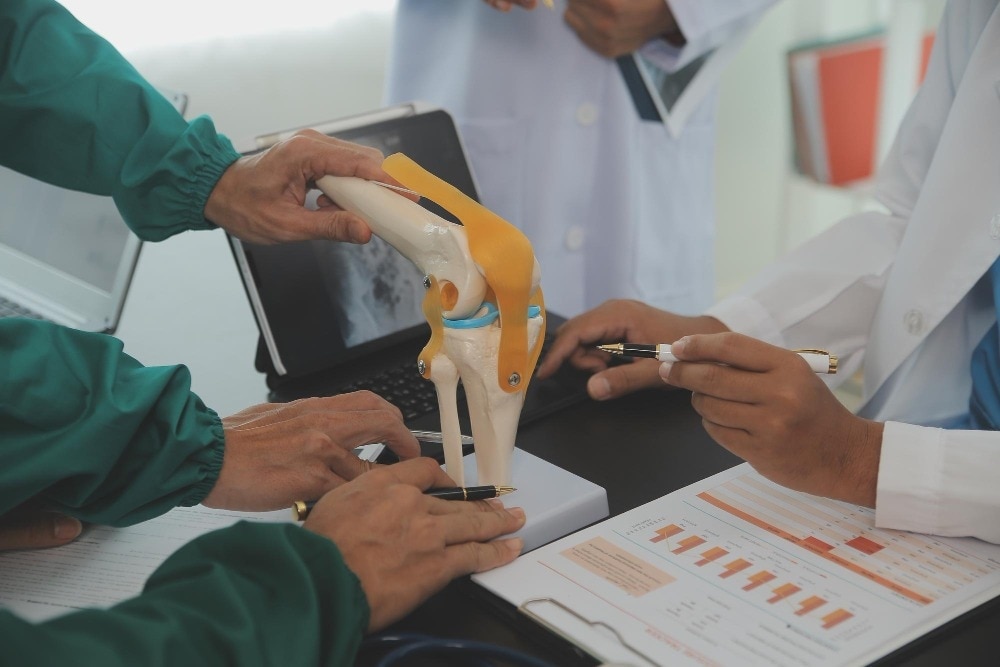

A suspected fracture needs the right first response, because deformity, an open wound, loss of sensation, or poor circulation can turn a routine appointment into an emergency. You will learn when to go straight to an emergency department, how doctors confirm the injury, how casts compare with fixation, and how to evaluate treatment and cost in Mumbai.
Key takeaways
- Seek emergency care for deformity, open wounds, numbness, or a cold blue limb.
- Ask how X-rays, CT scans, and examination findings affect treatment choice.
- Compare fixation quotes by implant, surgeon, hospital, anaesthesia, and follow-up costs.
- Follow weight-bearing, wound-care, and physiotherapy instructions after fracture fixation.
When a Suspected Fracture Needs Emergency Care
A deformed limb, an open wound, uncontrolled bleeding, numbness, weakness, or a cold, blue hand or foot requires immediate hospital care after a fall, road accident, or sports injury. Do not wait for an outpatient orthopaedic appointment.
| Sign | Why it is urgent | Immediate response |
|---|---|---|
| Open wound or visible bone | Contamination raises infection and non-union risk | Cover loosely with sterile gauze; do not wash deeply or push bone back |
| Cold, blue, pale, or pulseless hand or foot | Blood flow may be threatened | Call emergency services and keep the limb still |
| Numbness, weakness, or loss of movement | Nerve or spinal injury is possible | Do not straighten or test the limb |
| Severe swelling or pain out of proportion | Compartment syndrome can permanently damage muscle and nerves | Seek emergency assessment without delay |
Before reaching the emergency department:
- Keep the limb in the position found and support it with a splint, folded cloth, or cushion. Do not attempt to straighten the bone.
- Remove rings, watches, or tight footwear before swelling increases.
- Apply firm pressure around, not directly into, an open wound; use a clean dressing and add layers if blood soaks through.
- Avoid food and drink because urgent surgery or anaesthesia may be needed.
- Do not drive yourself if you feel faint, have severe pain, or the injury followed major trauma.
Doctors check skin, pulses, capillary refill, sensation, and movement before and after splinting. X-rays usually confirm the injury; CT helps with complex or joint fractures. A normal pulse does not rule out nerve damage or evolving compartment syndrome.
How an Orthopaedic Doctor Confirms the Fracture and Chooses Treatment
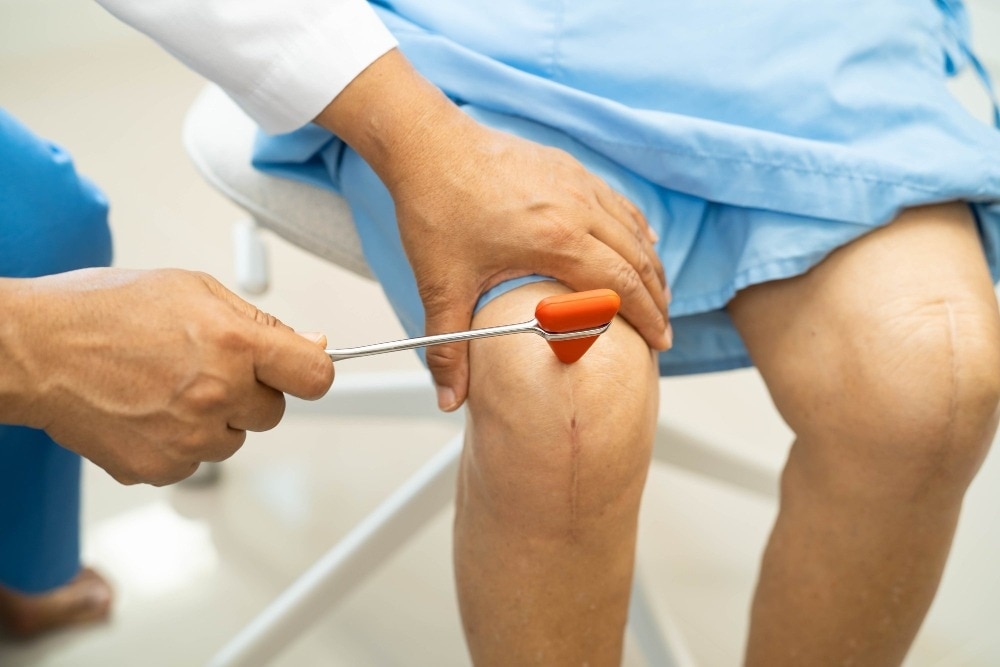
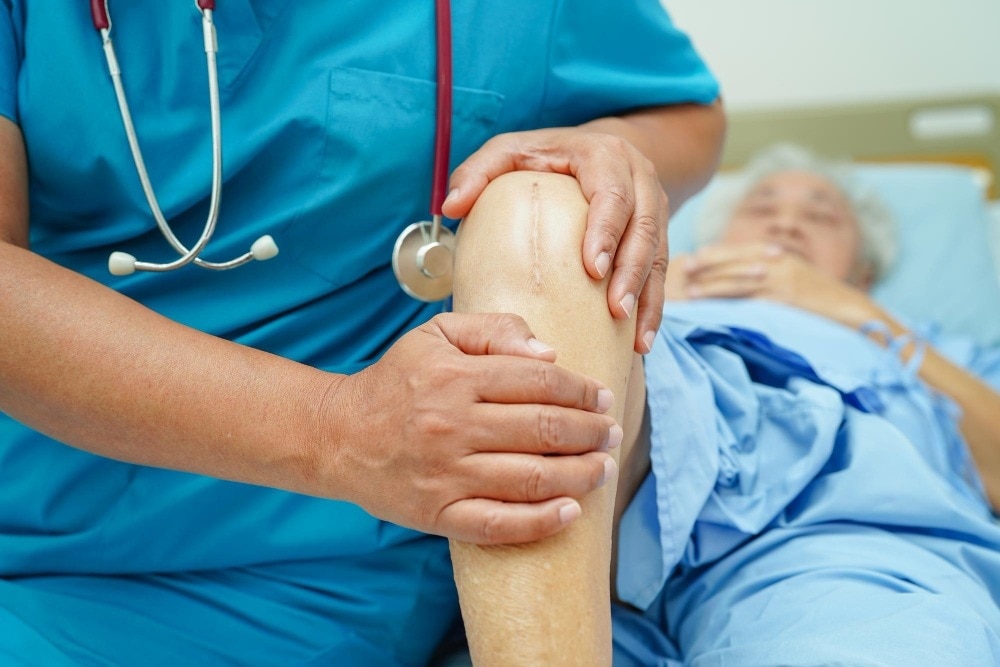
A fracture for treatment orthopedic doctor in Mumbai starts by checking more than the X-ray. The examination records skin breaks, deformity, swelling, tenderness, pulses, capillary refill, sensation and motor function before treatment.
The doctor repeats these checks after a splint or reduction because a normal pulse does not rule out nerve damage or developing compartment syndrome.
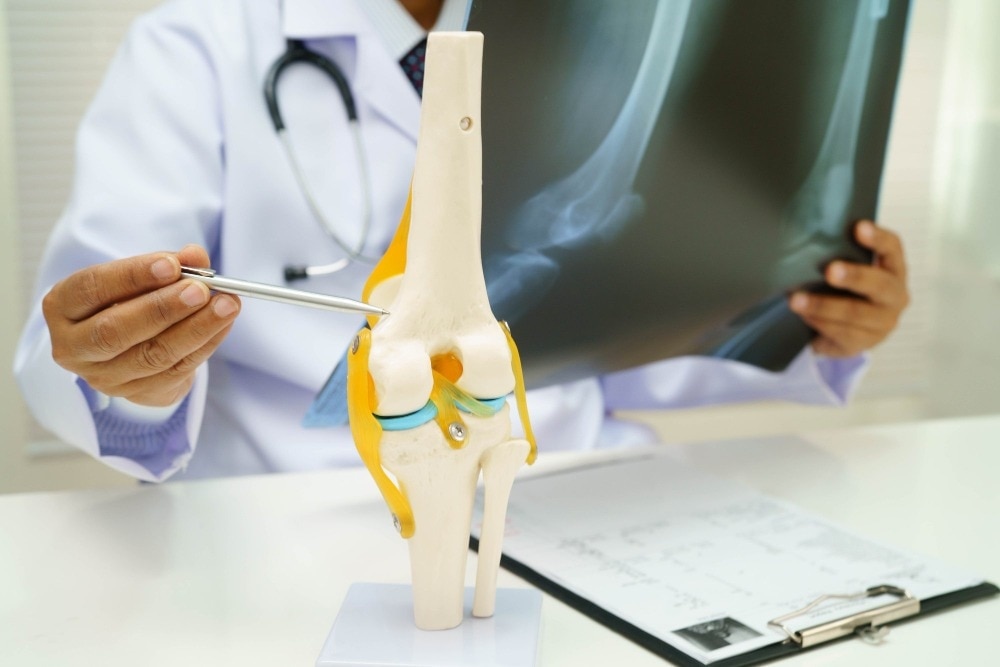
Plain X-rays usually show the location, alignment and number of fracture fragments. A CT scan gives better detail when the fracture reaches a joint or has a complex pattern; an MRI helps when pain and examination suggest an occult fracture that X-rays do not show.
The doctor then considers bone, fracture stability, soft-tissue damage, contamination, bone quality and your general health.
| Option | What it does | When it applies |
|---|---|---|
| Splint | Supports without fully enclosing the limb | Early swelling, temporary protection or selected stable injuries |
| Cast | Holds the limb in a fixed position | A well-aligned fracture that can maintain position |
| Reduction | Realigns displaced bone | Alignment is unacceptable but surgery is not immediately required |
| Traction | Applies steady pulling force | Selected injuries or temporary stabilisation under supervision |
| Fixation | Holds fragments with implants or an external frame | Alignment cannot remain stable, the joint is involved, or early movement matters |
A cast can avoid surgical risks but still cause stiffness, pressure injury or loss of alignment. Fixation is not risk-free, so ask about infection, non-union and symptomatic hardware. Seek a second opinion when elective fixation, implant choice or recovery remains unclear; never delay emergency care for an open or unstable injury.
What Fracture Fixation Involves: Implants, Anaesthesia and External Frames
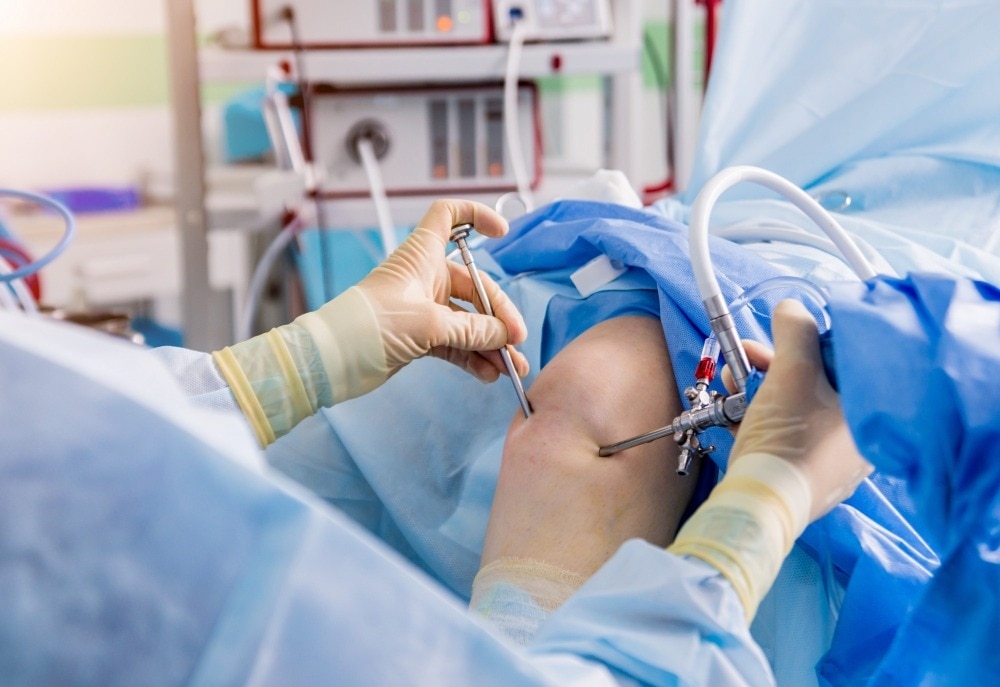
During fracture fixation in Mumbai, the surgical team first reviews imaging, checks the skin and circulation, and confirms the planned implant. The anaesthetist explains general anaesthesia, which keeps you unconscious, or regional anaesthesia, which numbs the limb while you remain awake or lightly sedated.
The surgeon realigns the bone, checks its position with X-rays, secures it, and closes the incision or pin sites.
| Implant | What it does | When it is appropriate |
|---|---|---|
| Plates and screws | Hold the broken pieces against the bone | Fractures near joints, short segments, or patterns needing precise alignment |
| Intramedullary nail | Sits inside the bone’s marrow canal and shares load | Many shaft fractures of the femur or tibia, when the canal and fracture pattern suit nailing |
| Wires or pins | Capture small fragments or support a reduction | Small bones, joint-area fragments, children’s fractures, or temporary support |
| External fixator | Uses pins outside the skin connected to bars or a frame | Severe swelling, open or contaminated fractures, major soft-tissue injury, or temporary stabilisation |
No implant is best for every fracture. The surgeon matches fixation to the injury and your general condition, then discusses expected stability, movement and weight-bearing limits.
An external frame can be placed quickly when swelling makes internal surgery unsafe; it may later be replaced with plates or a nail. Ask which implant system and material are planned, whether its cost is included, and keep the implant label and lot or serial record with your discharge papers.
Recovery, Restrictions and Risks After Fracture Fixation
After fixation, discharge may occur the same day or after several nights, once pain is controlled and you can move safely with crutches or another aid. Take prescribed medicines exactly as directed, and ask who to contact if pain suddenly worsens.
Keep the dressing clean and dry, do not soak the wound, and follow instructions about showering. Contact the surgical team for increasing redness, warmth, swelling, pus, wound separation, fever, calf pain, chest pain, breathlessness, or a cold, pale, numb limb.
Your surgeon will set separate limits for:
- Joint movement: early controlled movement can prevent stiffness, but forcing the range can damage healing tissues.
- Weight-bearing: “touch-down,” partial, or full weight-bearing depends on fracture stability and X-rays; early movement does not mean unrestricted loading.
- Strengthening: begin exercises only when cleared.
- Physiotherapy: attend sessions and practise the prescribed exercises, because prolonged immobilisation causes weakness and stiffness.
Follow-up visits include wound review and repeat X-rays to check alignment, callus formation, and implant position. Do not skip them: lifting weight too early can cause loss of reduction or implant failure.
Discuss surgical-site or deep infection, nerve or blood-vessel injury, delayed wound healing, stiffness, malunion, non-union, loss of fixation, and later implant removal. Smoking, diabetes, an open fracture, and severe soft-tissue damage increase concern. Keep the implant label and serial or lot details with your discharge papers.
How to Compare Fracture Treatment Cost in Mumbai and Choose Care
Fracture treatment cost in Mumbai has no single clinically meaningful price. A simple outpatient splint or cast may cost several thousand to tens of thousands of rupees; private operative fixation is often estimated at ₹80,000–₹3,00,000, while open, peri-articular, polytrauma, or revision cases can exceed ₹3,00,000. These are budgeting estimates, not tariffs.
Ask for a written quotation that separates:
- Emergency assessment, X-rays or CT, surgeon and anaesthesia fees
- Operating-room charges, room category, nursing, medicines and physiotherapy
- The implant system, material, manufacturer, and whether its cost is included
- Blood availability, intensive-care backup, follow-up X-rays and excluded charges
- Insurance pre-authorisation, co-payment, or eligibility under a public scheme
Retain the implant label, serial number and lot number with your discharge papers. Ask how the total changes if admission, a higher room category, or additional fixation becomes necessary.
| Route | Use it when | Do not delay because of cost |
|---|---|---|
| Emergency department | Open fracture, uncontrolled bleeding, threatened skin, cold or blue limb, absent sensation, or suspected compartment syndrome | Severe pain out of proportion, tense swelling, or pain on passive stretch needs immediate care |
| Second opinion | Planned treatment is elective and fixation, implant choice, diagnosis, or recovery remains unclear | Never postpone urgent treatment for the injuries above |
| Bandra West orthopaedic specialist | You need examination, imaging review, and a planned treatment decision | The business can assess planned fracture care, but emergency injuries belong in hospital care first |
A second opinion is useful only when it does not delay stabilisation.
Frequently asked questions
When does a suspected fracture need emergency care?
Go to a hospital immediately for a deformed limb, open wound, uncontrolled bleeding, numbness, weakness, or a cold, blue hand or foot. Do not wait for an outpatient appointment.
How does an orthopaedic doctor confirm a fracture?
The doctor examines alignment, swelling, skin, sensation, movement, and blood flow, then uses X-rays. CT scans can clarify complex joint or pelvic fractures.
What is fracture fixation?
Fracture fixation stabilises broken bone with implants such as plates, screws, nails, or wires. External frames use pins connected to a frame outside the body.
What restrictions follow fracture fixation?
Your restrictions depend on the fracture and fixation strength. Follow the prescribed limits for weight-bearing, lifting, driving, wound care, and physiotherapy.
How should you compare fracture treatment cost in Mumbai?
Request an itemised estimate covering consultation, imaging, implants, surgeon and anaesthesia fees, operating-room charges, hospital stay, medicines, dressings, physiotherapy, and follow-up visits.
Keywords