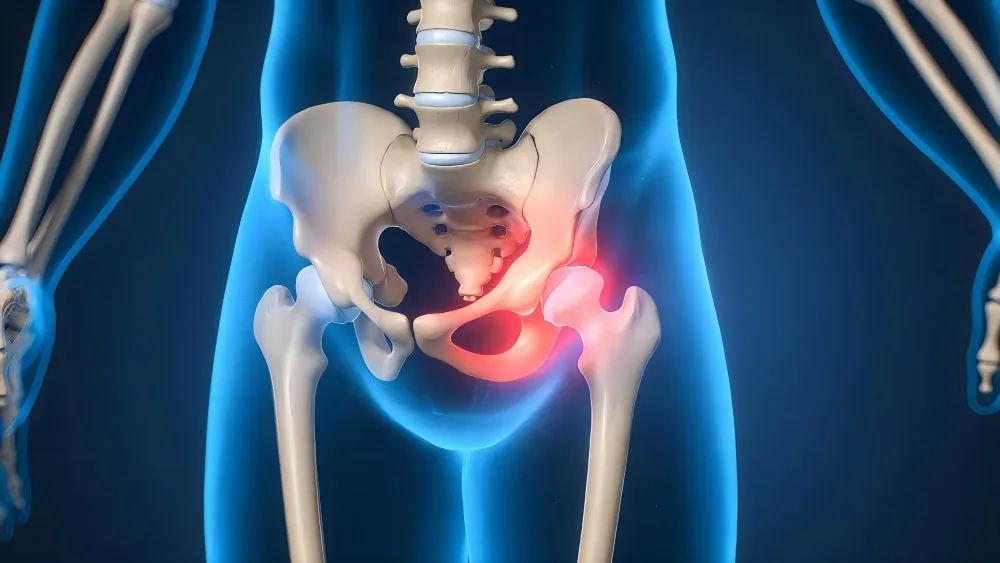
Severe hip or groin pain after a fall can indicate a fracture even when there is little swelling or the person can still walk. You will learn which warning signs require an ambulance, what to do before help arrives, which scans to request, and how urgent hospital treatment differs from an outpatient orthopaedic appointment.
Key takeaways
- Call an ambulance if the person cannot take four steps.
- A low-height fall can fracture a weakened hip.
- Ask about hip X-rays and CT or MRI if pain persists.
- Choose trauma care when severe pain, deformity, or inability to walk follows a fall.
When hip pain after a Mumbai fall needs an ambulance
Call an ambulance if the person cannot stand or take four steps, has severe groin or hip pain, or has a visibly deformed hip.
A leg that looks shortened or turned outward, new numbness, a cold or pale foot, heavy bleeding, head injury, loss of consciousness, or sudden confusion—particularly in an older adult—also requires emergency assessment.
| Situation | What it means | Action |
|---|---|---|
| Emergency signs | Possible fracture, nerve or blood-flow injury, or serious head injury | Call an ambulance now |
| Manageable pain without red flags | Fracture still needs assessment if pain persists or walking changes | Arrange prompt medical review, not self-testing |
Keep the person still. Do not ask them to walk, test the leg, or straighten it. Support the limb in its current position with folded blankets or cushions.
Apply an ice pack wrapped in cloth for 15 to 20 minutes at a time. Never put ice directly on skin. Do not give food or drink when surgery may be needed.
Arrange transport to a hospital with emergency imaging, anaesthesia, orthopaedic surgery, and inpatient monitoring. Avoid a two-wheeler or auto-rickshaw: jolting, transfers, and unsupported seating can worsen pain or injury. This is the point at which hip pain after fall fracture trauma care in mumbai becomes a hospital emergency rather than a routine clinic visit.
Why a low-height fall can still fracture the hip
A standing-height fall can fracture the hip in an older adult with osteoporosis because weakened bone absorbs less force. The break may involve the femoral neck, intertrochanteric region, or another part of the hip, without dramatic swelling or bruising.
Severe groin or upper-thigh pain, pain when turning in bed, inability to bear weight, or a new limp warrants same-day fracture trauma care in Mumbai, even if the person can still walk.
- Treat inability to stand, severe pain, or a new limp as possible fracture.
- Do not test the leg repeatedly or ask the person to walk.
- Arrange urgent assessment if pain persists after rest or worsens with movement.
Pain patterns provide clues, not clearance:
| Injury | Clue | What can go wrong |
|---|---|---|
| Hip fracture | Deep groin or upper-thigh pain; pain when turning in bed or bearing weight | A fracture can be missed when bruising is absent |
| Muscle bruise | Local tenderness that gradually improves with rest | Ongoing weight-bearing pain needs reassessment |
| Groin strain | Pain when the inner-thigh muscles contract or stretch | The hip itself may still be injured |
| Tailbone injury | Pain centred at the base of the spine, worse while sitting | Hip pain can be overlooked |
| Lumbar-spine pain | Back tenderness with pain into the buttock or leg, weakness, or altered sensation | Nerve compression may require urgent care |
| Pelvic fracture | Groin, buttock, lower-abdominal, or side-of-hip pain | It can coexist with a hip fracture |
An examination and imaging, not symptom location alone, decide whether the hip is fractured.
Which examination and scan should follow the fall
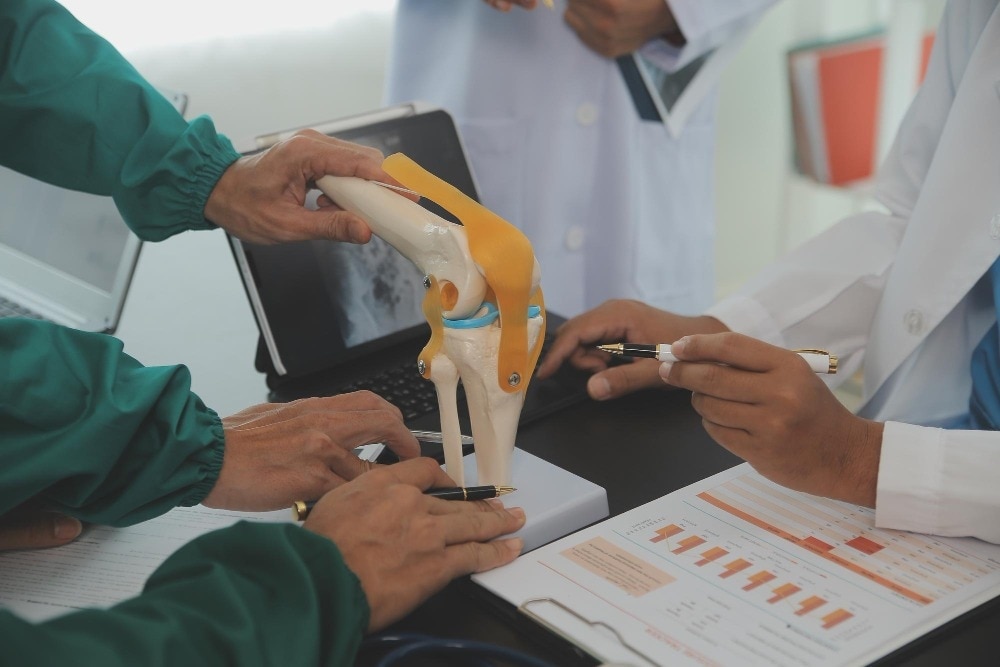
Clinicians compare leg length and rotation, check foot pulses, skin temperature, colour, sensation and movement, and assess pain during gentle hip movement without forcing the joint. They give analgesia and position the leg carefully, so pain does not delay imaging.
| Option | What it shows | When it applies |
|---|---|---|
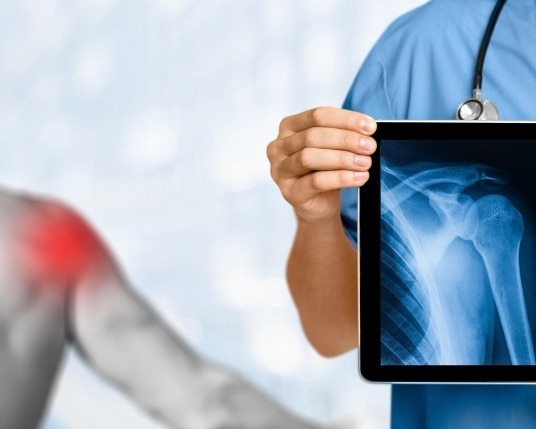
| Anteroposterior pelvis or hip radiograph plus lateral hip view | Initial view of the hip, pelvis and fracture alignment | First-line imaging after a suspected fracture |
| CT scan | Fracture detail and complex patterns affecting surgical planning | An unclear X-ray or a fracture requiring detailed planning |
| MRI scan | Occult fracture not visible on X-ray | Preferred test when X-rays are negative but pain, examination findings or inability to bear weight still suggest fracture |
A normal first X-ray does not reliably exclude a hip fracture. If marked pain or inability to bear weight continues, ask the emergency team for MRI and a documented follow-up plan; CT is a reasonable alternative when MRI is unavailable, contraindicated or impractical. Do not accept reassurance based on the first film alone.
This imaging pathway is central to hip fracture treatment in Mumbai.
What hospital hip-fracture treatment involves after admission
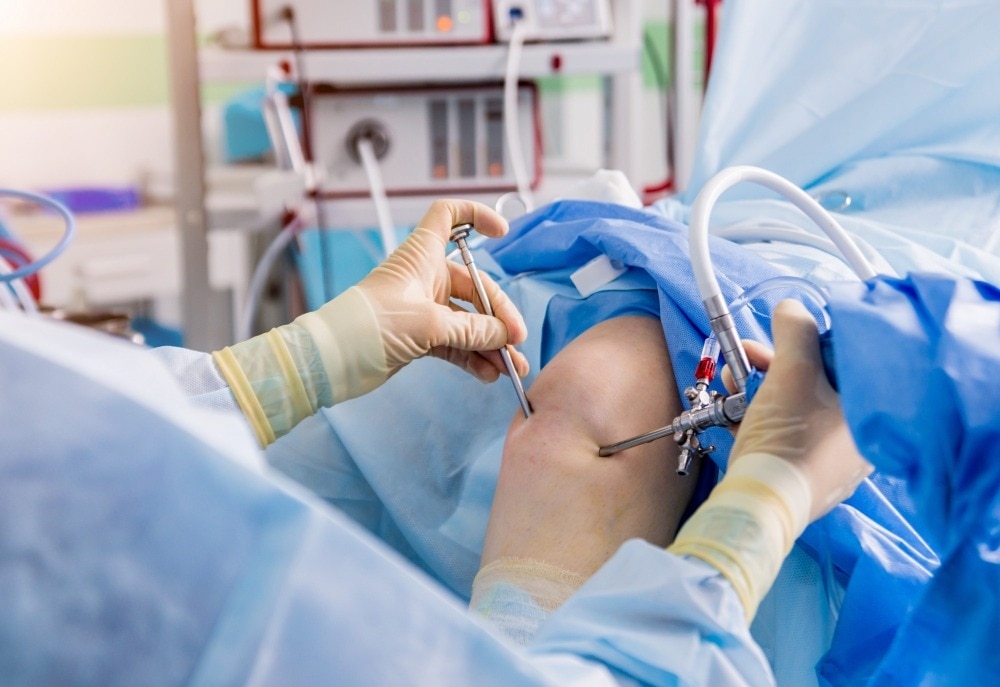
After imaging confirms a hip fracture, hospital treatment moves quickly: control pain, correct reversible medical problems, plan surgery, prevent clots, and begin mobilisation. This time-sensitive fracture trauma care in Mumbai is not improved by leaving someone in bed for several days.
Pain relief starts with paracetamol. Add an opioid if pain remains severe, and consider a preoperative nerve block to reduce opioid requirements. A nerve block relieves pain; it does not replace imaging, surgical assessment, or fracture repair.
Before surgery, doctors promptly correct:
- Dehydration
- Electrolyte disturbance
- Uncontrolled diabetes
- Anaemia
- Anticoagulation problems
- An acute chest infection
These problems should not create avoidable delay. Once medically optimised, surgery generally takes place on the day of admission or the following day.
The operation depends on fracture location and displacement:
- Intracapsular fracture: internal fixation, hemiarthroplasty, or total hip arthroplasty. A suitable, independently mobile patient with a displaced femoral-neck fracture may be considered for total hip replacement.
- Intertrochanteric or subtrochanteric fracture: a sliding hip screw or cephalomedullary nail, selected for the fracture pattern.
NICE advises against routine preoperative traction. Prolonged bed rest raises the risk of pressure injuries, chest infection, constipation, delirium, and venous thromboembolism. The hospital should create a VTE plan, including medication for one month after surgery when clot risk exceeds bleeding risk and mechanical prevention when appropriate.
Physiotherapy and mobilisation usually begin the day after surgery. Weight-bearing follows fixation stability or prosthesis choice.
When to choose a Mumbai trauma service or orthopaedic doctor
Book an orthopedic doctor for hip pain in Mumbai only when pain is persistent but manageable, emergency warning signs are absent, and a clinician has assessed the possibility of fracture.
| Option | Choose it when | What it must provide |
|---|---|---|
| Hospital emergency or trauma service | Suspected fracture, inability to bear weight, deformity, severe pain, numbness, a cold foot, head injury, loss of consciousness, or sudden confusion | Prompt X-ray, advanced imaging, anaesthesia, orthopaedic surgery, and inpatient monitoring |
| Specialist outpatient appointment | Pain remains manageable after emergency assessment and fracture has been excluded | Examination, planned imaging, and follow-up care |
A consultation-only clinic cannot provide the hospital pathway if the hip is broken or surgery is needed. Do not delay emergency assessment for an appointment.
After acute treatment, ask about physiotherapy, safe weight-bearing, wound care, and warning signs of infection or a blood clot. Request a falls assessment and bone-health review because a low-energy hip fracture can reveal osteoporosis.
Follow-up may include reviewing calcium and vitamin D intake, osteoporosis medication when indicated, vision, footwear, home hazards, balance, and medicines that cause dizziness. The specialist team at the business in Bandra West can support assessment and continuing bone, joint, and movement care, but emergency symptoms belong in hospital trauma care first.
Related service
Fracture & Trauma Care Fractures are breaks or cracks in bone that can occur after falls, sports injuries, road traffic accidents, direct blows, or other significant... |
Frequently asked questions
When does hip pain after a Mumbai fall need an ambulance?
Call an ambulance if the person cannot stand or take four steps, has severe groin or hip pain, or has a visibly deformed hip.
Can a low-height fall cause a hip fracture?
Yes. A short fall can fracture a hip when bone strength is reduced, especially in older adults or people with osteoporosis.
Which examination and scan follow a suspected hip fracture?
A clinician checks pain, leg position, movement, circulation, and sensation, then usually orders hip and pelvis X-rays. CT or MRI may follow when X-rays do not explain persistent pain.
What happens after admission for hip-fracture treatment in Mumbai?
The hospital controls pain, checks medical risks, confirms the fracture, and plans fixation or hip replacement when surgery is indicated, followed by mobilisation and rehabilitation.
Keywords