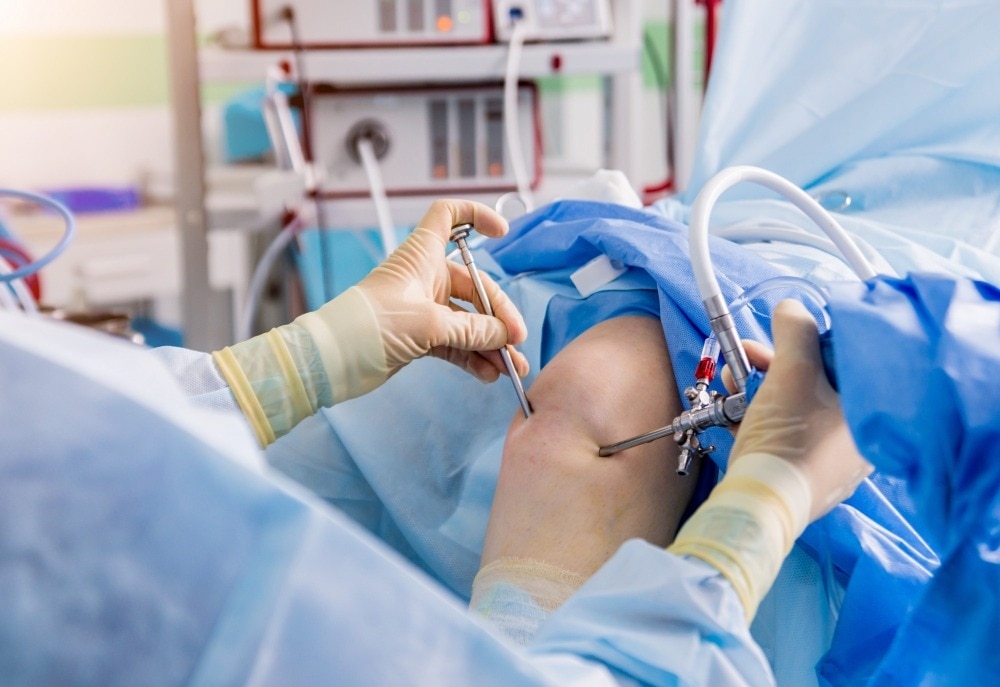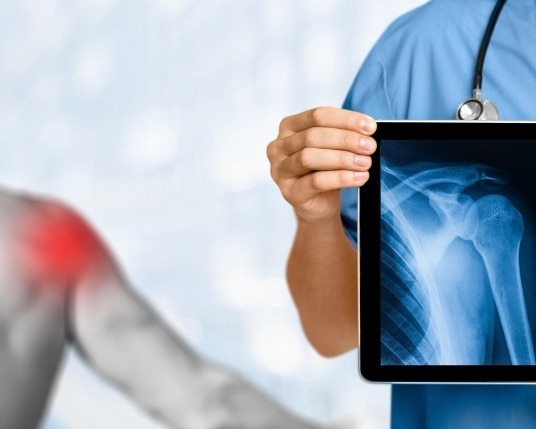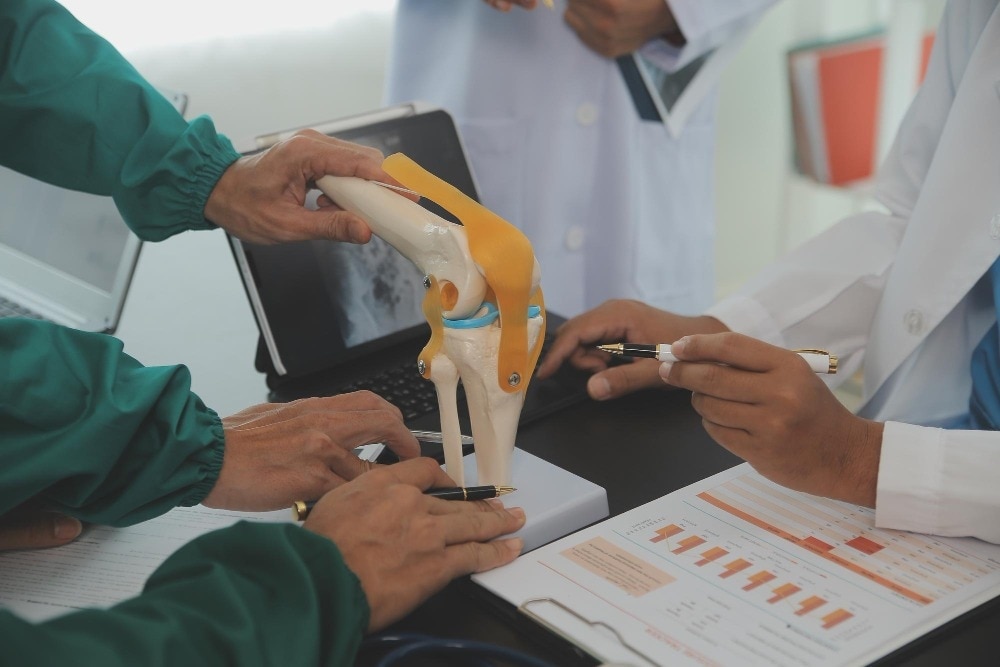
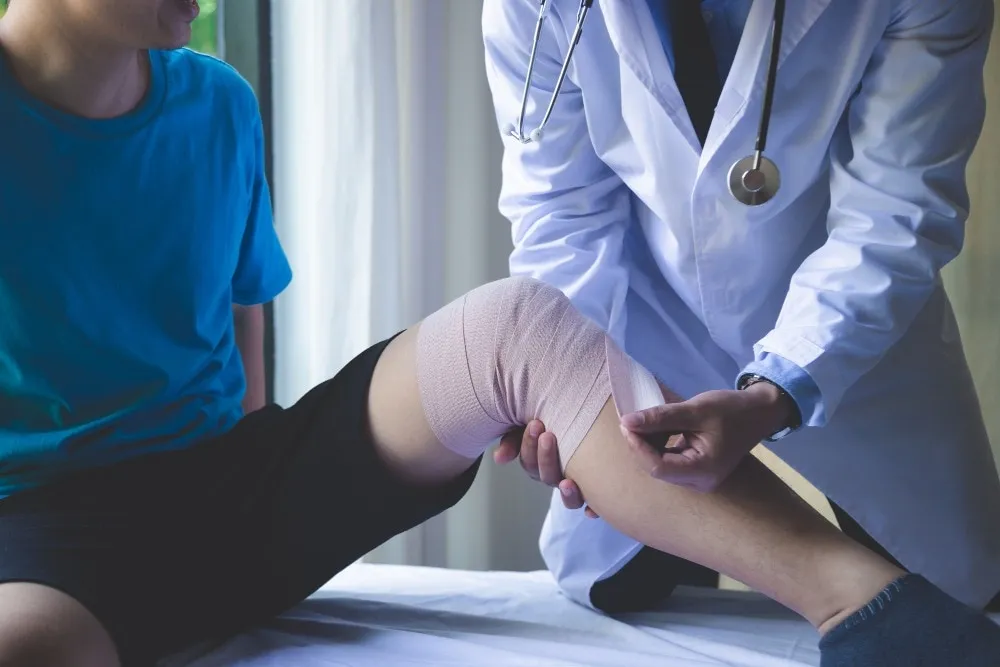
A suspected fracture needs more than an X-ray: the first priorities are protecting circulation, controlling swelling and reaching the right level of care without making the injury worse. You will be able to recognise an emergency, understand how assessment and treatment decisions are made, compare Mumbai care options and prepare for follow-up.
Key takeaways
- Keep the injured area still; do not straighten, test movement or push bone back.
- Call emergency services for heavy bleeding, shock, an open fracture or a cold, numb limb.
- Expect an examination followed by X-rays; CT or MRI depends on the injury.
- Choose treatment based on fracture alignment, stability, skin damage, circulation and function.
What should you do immediately after a suspected fracture?
Treat a suspected fracture as an injury to protect, not a limb to test. Call emergency services for life-threatening trauma; otherwise travel directly to a hospital when any warning sign below is present.
1. Keep the limb in the position you found it. Do not straighten a deformity, push bone back, or let the person bear weight. Support it with a padded splint extending beyond the joints above and below, without tightening it enough to reduce circulation.
2. If bleeding is present, press firmly around the wound, not into it. Cover an open fracture with a sterile dressing; do not wash deeply or probe the wound. Remove rings, watches, bracelets and tight footwear before swelling increases.
3. Keep the person still after possible spine or pelvic trauma and move them only to prevent immediate danger. Use an ambulance for serious injuries; otherwise transport them lying or seated safely, with the injured part supported. Do not drive if they are faint, confused or badly injured.
4. Do not give food or drink when urgent surgery is reasonably possible unless an emergency clinician permits it. Do not delay transport to collect documents or wait for an outpatient appointment.
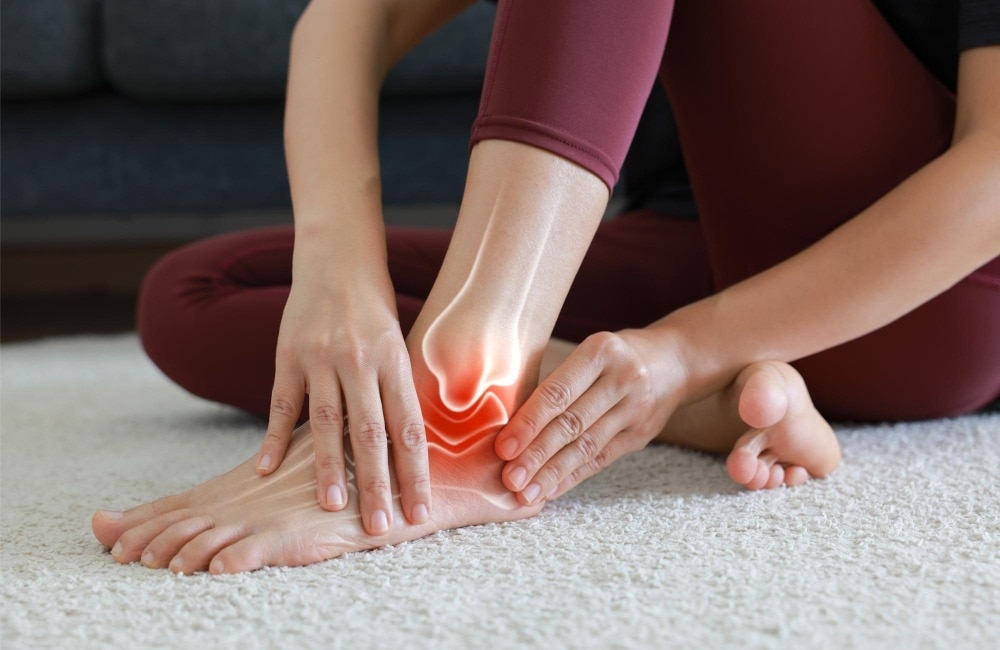
Go straight to hospital for an open wound, visible deformity, fracture-dislocation, uncontrolled bleeding, multiple injuries, absent or reduced pulse, pale or blue digits, numbness, paralysis, rapidly increasing or tense swelling, severe uncontrolled pain, pain on passive stretch, head or spine injury, or breathing difficulty. A palpable pulse does not exclude compartment syndrome.
Prompt fracture trauma care in Mumbai starts with emergency stabilisation.
How is fracture assessment and imaging carried out in Mumbai?
Fracture assessment in Mumbai starts with the mechanism and timing: a fall, twist, road crash, crush injury, or direct blow. The clinician records previous fractures, osteoporosis, diabetes, kidney disease, allergies, operations, and medicines such as blood thinners.
They inspect skin and wounds, deformity and swelling, assess compartment tenderness and pain on passive stretch, then check distal pulse, capillary refill, sensation, and motor function. These findings are repeated after splinting, manipulation, or reduction because treatment can alter circulation or nerve function.
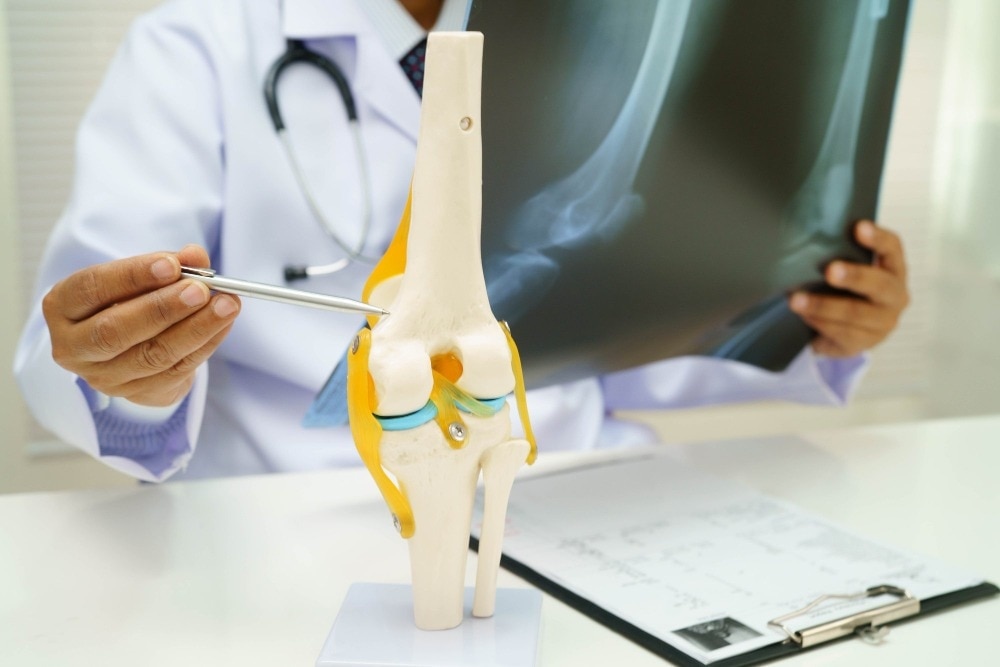
Plain X-rays normally come first, using at least two perpendicular views. A long-bone injury also needs views including the joints above and below when relevant. One normal-looking view does not exclude a scaphoid, stress, rib, occult hip, or growth-plate fracture.
CT defines joint-surface fractures and complex injuries of the pelvis, acetabulum, or spine, and supports surgical planning. MRI detects occult fractures, bone-marrow injury, and ligament or other soft-tissue damage.
| Term | Meaning | Why it matters |
|---|---|---|
| Closed | Skin remains intact | Lower contamination risk |
| Open | Wound communicates with fracture | Urgent hospital treatment |
| Displaced | Fragments lose normal position | Alignment may need restoration |
| Nondisplaced | Position remains maintained | Immobilisation may suffice |
| Comminuted | Multiple fragments | Stability and blood supply are harder to preserve |
| Impacted | One fragment driven into another | Shortening and joint damage need assessment |
| Spiral | Corkscrew fracture line | Mechanism and stability guide treatment |
| Hairline | Very thin crack | Symptoms can exceed initial X-ray findings |
Children need growth-plate expertise. Older adults with hip or fragility fractures, and people with pelvic, spinal, hand, foot, or multiple road-crash injuries, need appropriate hospital evaluation. Alignment, blood supply, joint involvement, and fracture pattern determine treatment.
How do clinicians choose a splint, cast, brace or surgery?
Treatment depends on alignment, stability, joint involvement, soft-tissue damage, bone blood supply, fracture pattern, age, activity demands, follow-up access and medical risks—not simply the presence of a fracture. A temporary splint accommodates early swelling; a circumferential cast can become dangerously tight.
| Option | Main purpose | Typical trade-off |
|---|---|---|
| Splint or brace | Supports a stable injury while swelling settles or movement is controlled | Inconvenience, pressure problems or stiffness |
| Cast | Maintains alignment during healing | Limited hygiene, stiffness and skin pressure |
| Traction, manipulation or reduction | Realigns a displaced fracture without immediate fixation | Loss of alignment, sedation or anaesthetic risk |
| Operative fixation | Holds selected fractures with plates, screws, nails or wires | Wound and infection risks, implant failure, reoperation and anaesthetic risk |
A stable wrist fracture may remain immobilised. A displaced ankle fracture may need reduction or fixation; a hip fracture in an older adult needs coordinated hospital, medical, anaesthetic and rehabilitation care. Clavicle and metacarpal decisions depend on shortening, rotation, function and skin risk.
Smoking, diabetes, osteoporosis, blood thinners, kidney disease and delayed presentation affect bleeding, anaesthesia, infection and healing. Repeat X-rays can change the plan after swelling settles or alignment shifts. Complications include compartment syndrome, nerve or vessel injury, stiffness, infection, delayed union, nonunion, malunion and post-traumatic arthritis.
Seek a second opinion when surgery is proposed for an uncertain indication, the plan changes, or risks and alternatives remain unclear. Bring:
- Imaging links or discs, reports, accident details, medication and allergy lists, prior operation records and tetanus information.
An orthopedic doctor for fractures in Mumbai can review these alongside your examination.
How do you choose the right fracture specialist and hospital?
Choose the setting before choosing the doctor. Limb- or life-threatening trauma needs hospital emergency care, not a clinic appointment.
| Role | Main responsibility | Suitable setting |
|---|---|---|
| Emergency physician | Stabilises bleeding, breathing, shock and other life threats | Emergency department |
| Orthopaedic trauma surgeon | Decides on reduction, fixation and polytrauma surgery | Trauma-capable hospital |
| Musculoskeletal specialist | Assesses and coordinates uncomplicated closed injuries | Outpatient clinic when stable |
| Radiologist | Interprets X-rays and CT scans | Imaging service |
| Physiotherapist | Restores movement, strength and function | Rehabilitation follow-up |
An outpatient clinic is unsuitable for an open fracture, fracture-dislocation, major displacement, absent or reduced circulation, suspected spine or pelvic injury, or multiple trauma. These injuries need monitoring, anaesthesia, reduction or surgery, and coordinated hospital care.
Compare Mumbai services using this checklist:
- Doctor registration and fracture-specific experience
- 24-hour emergency capability and orthopaedic trauma cover
- Prompt X-ray and CT access
- Reduction, casting, operating-theatre and anaesthesia access
- Implant arrangements and blood-bank access when needed
- Rehabilitation, postoperative review and written cost estimates
- Transport time and communication in your preferred language
A Bandra West evaluation at the business by an orthopaedic or musculoskeletal specialist can review imaging, examine circulation, sensation and movement, and coordinate non-operative or operative care when the injury is suitable for outpatient assessment. Search for a musculoskeletal specialist in Mumbai with the capability described for musculoskeletal specialist fracture trauma care in Mumbai.
Follow-up capacity matters as much as the first consultation: alignment, skin pressure, circulation and healing need reassessment.
Related services
Fracture & Trauma Care Fractures are breaks or cracks in bone that can occur after falls, sports injuries, road traffic accidents, direct blows, or other significant... |
Fracture fixation is a surgical method used to stabilise a broken bone when non-operative treatment is unlikely to provide adequate alignment,... View service → |
What happens after the fracture is treated?
After reduction, casting or surgery, follow-up checks whether alignment is holding and whether your limb remains safe. Expect cast or wound reviews, repeat X-rays, elevation, swelling control, prescribed pain relief, weight-bearing instructions and physiotherapy. Fracture trauma care in Mumbai should include a review plan, not just discharge.
Do not cut, heat, wet or insert anything into a cast. Seek urgent medical review for:
- Worsening pain, tightness, tense swelling or pain on passive stretch
- Numbness, weakness, loss of movement, or blue or pale fingers or toes
- Foul drainage, fever, increasing redness, or a wound that opens
- A wet, cracked, loose or broken cast
- Suspected infection, compartment syndrome or neurovascular deterioration
After lower-limb or hip injury, ask about thrombosis prevention, including prescribed anticoagulants, leg exercises and safe mobilisation. Older adults with hip fractures need coordinated hospital care and early mobilisation; prolonged bed rest increases pressure-injury, clot, muscle-loss and stiffness risks.
Fracture assessment in Mumbai should also identify delayed union, nonunion or malunion rather than leaving these problems to self-care.
Recovery depends on the bone, fracture pattern, age, health and treatment. Follow-up may involve cast changes, wound checks, repeat imaging and weeks or months of rehabilitation. Return to driving, work and sport requires clinician clearance based on strength, movement, pain, reaction control and healing—not a fixed date.
After a low-energy fracture in an older adult, ask about osteoporosis assessment and fracture prevention.
Frequently asked questions
What should you do immediately after a suspected fracture?
Keep the injured area still, support it in the position found and remove rings or tight items. Do not straighten the limb or test movement. Apply firm pressure around, not over, an open wound, and seek urgent hospital care for heavy bleeding, shock, an open fracture, or a cold, pale, blue, numb or severely deformed limb.
How is fracture assessment and imaging carried out in Mumbai?
A clinician checks the injury, skin, pulses, sensation and movement before ordering imaging. X-rays are the first test for most suspected fractures. CT can define complex joint or pelvic fractures, while MRI helps detect selected stress fractures, ligament injuries or fractures hidden on X-rays.
How do clinicians choose a splint, cast, brace or surgery?
The choice depends on the fracture’s location, alignment, stability, skin damage, circulation and effect on joint function. A splint allows swelling, a cast limits movement during healing, and a brace provides controlled support. Surgery is considered when alignment cannot be maintained, the fracture enters a joint, or nerves, blood vessels or skin are at risk.
How do you choose the right fracture specialist and hospital?
Choose an orthopaedic doctor who treats the specific injury and a hospital with prompt X-ray access, emergency support and surgical capability when needed. Ask who will review the images, whether follow-up is included, and where you should return if pain, swelling, numbness or colour changes worsen.
What happens after the fracture is treated?
Follow weight-bearing, elevation, wound-care and medication instructions exactly. Attend scheduled X-rays to confirm healing and begin prescribed movement or physiotherapy at the right stage. Return urgently for increasing pain, tight cast pressure, fever, drainage, numbness, colour change or inability to move the fingers or toes.
Keywords