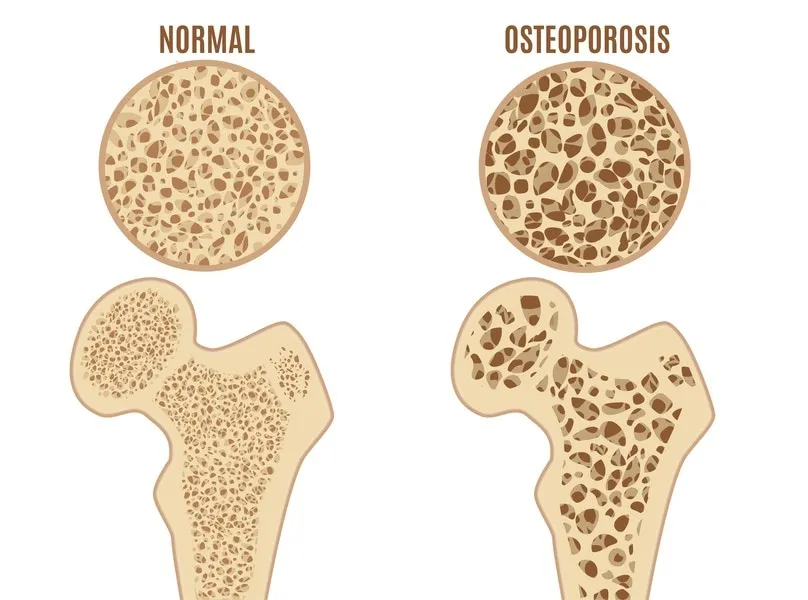
Osteoporosis can make the bone around screws less secure, change how quickly loading is increased, and raise the chance of another fracture. By the end, you will know what recovery milestones to discuss, how osteoporosis testing and medication fit into fixation care, and how to reduce fall risks at home and while travelling across Mumbai.
Key takeaways
- Follow weight-bearing limits set by your surgeon, not a fixed six-week rule.
- Ask for bone-density testing and osteoporosis treatment after a fragility fracture.
- Use the correct walking aid and remove trip hazards before returning home.
- Attend radiograph, wound and rehabilitation reviews on the schedule provided.
What to expect during the first weeks after fixation
Do not use a universal six-week rule after fixation. Your surgeon sets loading and movement limits from the fracture site, implant stability, wound condition and follow-up radiographs. Osteoporosis can weaken screw purchase, so advancing weight-bearing before healing signs appear can loosen an unstable construct; excessive immobilisation causes stiffness, muscle loss, falls and blood-clot risk.
Recovery after fracture fixation with osteoporosis in Mumbai should follow a written plan:
- During the first week, keep the wound and dressing dry as instructed, elevate the limb for swelling, take prescribed pain relief, and use the cast, brace, sling or splint correctly. Confirm whether you are non-weight-bearing, toe-touch, partially weight-bearing or fully weight-bearing.
- Ask whether you may actively move the joints beside the fracture. Begin permitted range-of-motion exercises early; do not force movement through sharp pain or a restricted joint.
- During weeks two to six, physiotherapy should add safe gait practice, progressive strengthening and balance work. Do not upgrade from a walker or crutches because walking feels easier.
- Attend scheduled reviews for wound checks and radiographs. Progression requires the clinical and imaging findings your surgeon specified, not the calendar alone.
Fracture fixation recovery in Mumbai also requires a falls check: review sedating medicines and vision, remove bathroom and stair hazards, and adjust the walking aid to your height. Worsening pain, drainage, fever, numbness, a cold limb or sudden breathlessness needs urgent medical review.
Why osteoporosis changes fixation and healing
Osteoporosis makes fixation less forgiving because weak cancellous bone gives screws less purchase. They can loosen or pull out, allowing loss of alignment, implant cut-out, subsidence or a peri-implant fracture.
The fracture itself may also take longer to unite, with higher risk of delayed union or non-union, especially when blood supply, soft tissue or fracture stability is compromised.
Implant planning depends on the fracture pattern and measured bone quality, not the osteoporosis label alone. Your orthopaedic trauma surgeon may choose:
- A longer plate or nail to spread load across more bone
- More screws, a different screw configuration or fixed-angle locking screws
- Cement or another augmentation method when screw purchase is inadequate
- A construct that permits controlled loading while protecting the repair
These choices trade surgical complexity against stability; stronger hardware cannot make severely weak bone normal. Fixation repairs the current break but does not restore overall bone strength.
Restrictions therefore need precise instructions during fracture fixation recovery in Mumbai. Ask whether you are non-weight-bearing, toe-touch, partial or full weight-bearing, whether you may actively move nearby joints, and which examination or radiographic findings permit progression. Advancing too soon can cause construct failure; unnecessary immobilisation causes stiffness, muscle loss and higher fall and blood-clot risk.
Do not apply a universal six-week rule: the fracture site, fixation stability and follow-up X-rays determine progression.
Testing and treating the bone after a fragility fracture
A low-impact fracture after age 50—especially at the hip, spine, wrist or upper arm—signals a high risk of another fracture, even if fixation has restored alignment.
Confirm osteoporosis with a DXA scan: a T-score of −2.5 or lower at the lumbar spine, total hip or femoral neck meets the diagnostic threshold using a valid reference database. A higher score does not rule out treatment when the fracture itself is fragility-related.
Ask for a complete assessment that includes:
- DXA measurement and vertebral fracture assessment, which can reveal a collapsed spinal vertebra causing little or no back pain
- Blood tests for calcium, phosphate, alkaline phosphatase, kidney function and 25-hydroxy vitamin D
- Review of steroid use, thyroid disease, kidney disease, menopause history and medicines that weaken bone
- A fracture-risk review covering previous fractures, falls, height loss, balance and future treatment adherence
Fixing the break does not rebuild weak bone. Good osteoporosis fracture treatment in Mumbai pairs adequate calcium and vitamin D intake with strength, balance and fall-prevention work, plus a prescription medicine selected for your fracture risk, kidney function and healing plan.
Antiresorptive treatment such as a bisphosphonate or denosumab reduces future fractures; very high-risk patients may need a bone-building drug first.
Do not stop denosumab without a planned follow-on antiresorptive medicine, because rebound bone turnover can cause multiple spinal fractures. Arrange a review date for side effects, adherence, repeat fracture risk and the intended duration of treatment.
Rehabilitation, walking aids and fall prevention across Mumbai
Regain strength safely by matching movement to the fixation’s actual stability, not to a universal six-week timetable. Ask your surgeon to write the permitted load—non-weight-bearing, toe-touch, partial or full—and state when radiographs will allow progression. Advancing too soon can loosen an unstable construct; staying immobilised too long causes stiffness, muscle loss and poorer balance.
For recovery after fracture fixation with osteoporosis in Mumbai, have a physiotherapist practise transfers, gait, balance and progressive strengthening within those limits. Move nearby joints only when cleared. A sling protects an arm but also creates shoulder and neck stiffness; a brace supports a joint but does not permit extra loading.
Your crutches or walker must be adjusted to your height, with handles at wrist level when standing upright.
Before walking alone, check:
- Keep crutch tips and walker feet dry and replace worn rubber.
- Use a handrail on stairs; do not carry bags while using an aid.
- Remove loose rugs, trailing charging cables and wet bathroom mats; add a grab rail and non-slip shower surface.
- Improve lighting, wear firm closed shoes, and arrange a seat for bathing.
- Ask for a vision check and review sleeping tablets, strong pain medicines and other sedatives.
During Mumbai’s monsoon, avoid flooded or slippery pavements and crowded routes. Seek prompt review after a fall, new wound discharge, increasing swelling, calf pain, breathlessness or sudden inability to bear the previously permitted load.
Choosing coordinated follow-up for fracture and bone health
After fixation, one clinician should own the fracture plan while another addresses bone strength. A fracture treatment orthopedic surgeon in Mumbai reviews alignment, hardware, wounds and loading; an endocrinologist, rheumatologist or metabolic-bone specialist investigates osteoporosis and prescribes treatment. A physiotherapist then converts restrictions into safe movement.
| Clinician | Main responsibility | Ask at follow-up |
|---|---|---|
| Orthopaedic trauma surgeon | Fixation, healing and loading | What is my exact weight-bearing level, and what X-ray finding permits progression? |
| Bone specialist in Mumbai | Osteoporosis and secondary causes | Which blood tests, DXA or vertebral fracture assessment do I need? |
| Physiotherapist | Mobility, strength and falls | Which exercises are safe, and which movement could overload the repair? |
Take these questions to every review:
- May I actively move the joints above and below the fracture?
- When is the next X-ray, and what would show delayed healing or fixation failure?
- What is the plan for osteoporosis fracture treatment in Mumbai, including drug duration, side effects and review date?
- If I receive denosumab, what antiresorptive treatment follows the final injection?
A coordinated clinic visit in Bandra West can prevent conflicting advice between fracture care, rehabilitation and bone treatment.
Seek urgent specialist review for worsening pain out of proportion, new numbness or weakness, a cold or discoloured limb, rapidly increasing swelling, wound drainage or fever, or sudden loss of function. Calf swelling with breathlessness requires emergency care.
Frequently asked questions
What should you expect during the first weeks after fracture fixation?
Your surgeon will set movement and weight-bearing limits based on the fracture site, implant stability, wound condition and follow-up radiographs. Keep appointments, monitor the wound and seek urgent advice for increasing pain, drainage, fever, calf swelling or sudden breathlessness.
Why does osteoporosis change fracture fixation and healing?
Low bone density reduces screw purchase and can make an implant construct less stable. Your team may therefore adjust fixation choices, weight-bearing progression and radiograph follow-up while the bone heals.
What testing and treatment does bone need after a fragility fracture?
Ask about a bone-health assessment, including bone-density testing with DXA and blood tests for treatable causes. A clinician can then discuss osteoporosis medicines, calcium and vitamin D intake, exercise and fracture-prevention planning.
How can you prevent falls during rehabilitation in Mumbai?
Use the walking aid prescribed by your physiotherapist, practise transfers and stairs, wear secure footwear and improve lighting. Remove loose rugs and clutter, install bathroom grab bars where needed, and plan transport around follow-up visits.
Keywords