
A broken bone does not automatically require an operation, but displacement, instability, joint involvement, open wounds, circulation problems, and the location of the injury can change the recommendation quickly. You will learn which warning signs require emergency care, how doctors compare casting with external or internal fixation, and what to expect before, during, and after treatment.
Key takeaways
- Displaced or unstable fractures are more likely to need fixation.
- Ask how the fracture looks after reduction and whether it will hold alignment.
- Choose casting, external fixation, or plates and screws based on the injury.
- Expect X-rays, medical checks, wound care, and follow-up during healing.
Which fracture patterns make fixation more likely?
Fixation becomes more likely when a broken bone is displaced, unstable, or cannot stay in acceptable alignment after reduction. A stable fracture that remains well aligned in a splint or cast may heal without surgery; one that shifts in the cast may need reduction and fixation.
| Pattern | Why it raises concern | Usual implication |
|---|---|---|
| Displaced | Bone ends no longer line up | Reduction may be needed; fixation helps hold alignment |
| Unstable | The fracture shifts during movement or follow-up | Casting may fail, making fixation more likely |
| Comminuted | The bone is broken into several pieces | Plates, screws, nails, or external fixation may restore stability |
| Open fracture | A wound connects the fracture to the outside | Urgent wound treatment and stabilisation are required |
| Joint-surface fracture | An uneven joint surface affects load and movement | Accurate reduction and fixation may reduce stiffness and post-traumatic arthritis |
| Multiple fractures | Several injuries compete for stability and mobility | Fixation may support mobilisation and protect overall limb function |
An open fracture is not treated by fixing the bone alone. Treatment includes sterile wound coverage, intravenous antibiotics, tetanus assessment, and operative debridement to remove contaminated or dead tissue. Damaged skin, muscle, blood vessels, and nerves can change both urgency and the safest fixation method.
The phrase orthopedic doctor fracture fixation in Mumbai describes a local consultation, not an automatic instruction to operate. The decision depends on soft-tissue damage, blood supply, nerve function, medical fitness, expected functional benefit, and the risks of surgery.
Even a concerning pattern may be treated without fixation when alignment is maintainable and function should remain good.
How an orthopedic doctor checks the bone, limb, and urgency
A first examination checks more than the break on an X-ray. The orthopedic doctor for fractures in Mumbai will inspect wounds, deformity, swelling, bruising, and skin tenting over bone, then assess blood flow, temperature, colour, pulses, sensation, movement, and nerve function.
An open wound can mean contamination and damage to vessels, nerves, muscle, or skin, not simply a broken bone.
Seek emergency assessment immediately for:
- Pale, blue, cold, numb, or pulseless fingers or toes
- Rapidly increasing or disproportionate pain
- Pain when someone gently stretches the fingers or toes
- Severe swelling or a limb becoming tight
- Skin stretched tightly over a prominent bone
These signs can indicate threatened circulation or acute compartment syndrome. Compartment syndrome is limb-threatening and may require urgent fasciotomy to release pressure; routine fracture fixation alone is not enough.
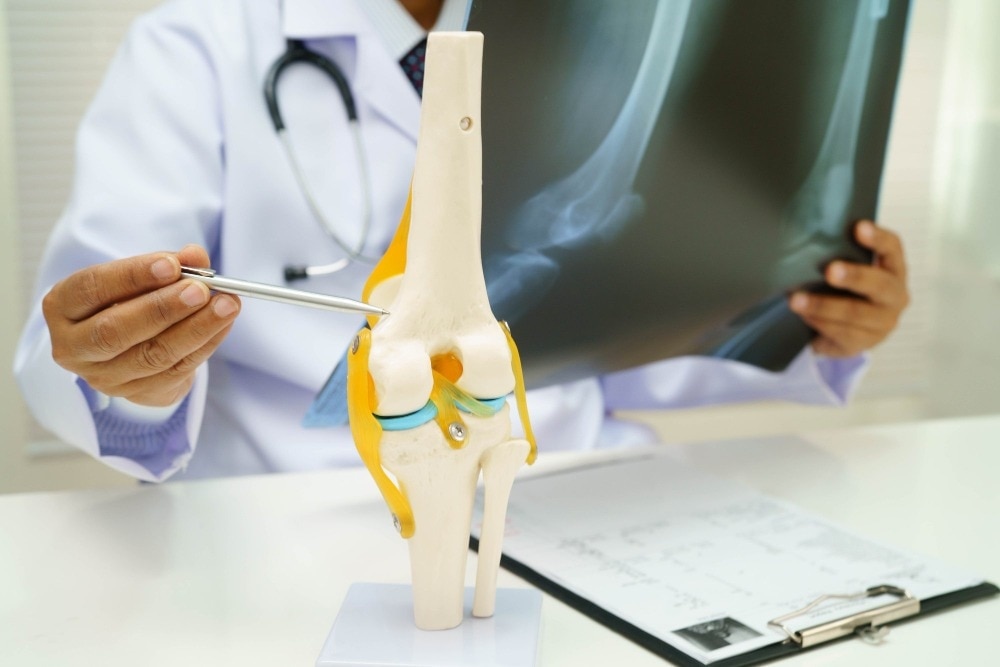
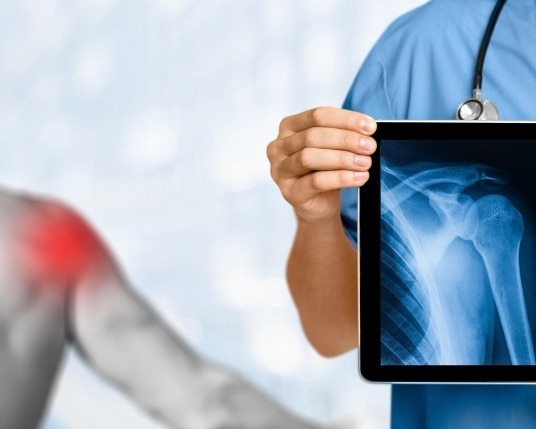
Plain X-rays are usually the first imaging test, showing alignment, displacement, and the number of fracture fragments. CT is useful for complex fractures, joint-surface involvement, or three-dimensional planning before surgery. MRI is reserved for selected occult fractures that X-rays miss and for suspected ligament, tendon, cartilage, muscle, or bone-marrow injury.
A severe injury may need temporary stabilisation and repeated circulation, nerve, and skin checks while swelling is assessed before definitive fixation.
Casting, external fixation, or plates and screws: how the options differ
Closed reduction restores alignment by manipulating the fragments, followed by a splint or cast. It suits a fracture that can be aligned and held safely without an operation; if the position slips, casting has failed and fixation may be needed.
| Option | What it means | When it applies |
|---|---|---|
| Casting | Manipulation followed by a splint or cast | Stable, well-aligned fractures that remain acceptable |
| External fixation | Pins connected to a frame outside the body | Temporary stability when swelling, contamination, soft-tissue loss, or overall illness makes internal fixation unsafe |
| Internal fixation | Plates and screws, intramedullary nails, or wires placed inside or across the fracture | Unstable, displaced, joint-involving, or unmaintainable fractures after reduction |
Severe swelling can make immediate plating dangerous because the incision may not close or heal. Temporary splinting, elevation, repeated skin checks, or an external frame can protect the limb until the soft tissues improve; the frame can remain definitive in selected injuries.
The bone’s location changes the functional cost of displacement:
- Wrist: alignment affects grip and wrist motion.
- Hip: fixation supports early mobility and limits complications of prolonged bed rest.
- Ankle: joint congruity affects walking and arthritis risk.
- Clavicle and shoulder: alignment influences shoulder strength and overhead reach.
- Elbow and forearm: small shifts can restrict rotation and bending.
- Tibia: limited soft-tissue cover raises wound concerns.
- Femur: instability causes major blood loss and prevents weight-bearing.
For fracture fixation in Mumbai, the city does not change these principles. Review the actual X-rays or CT images, skin condition, circulation, nerve function, and medical fitness before choosing an operation.
How health, age, bone quality, and daily demands change the decision
Two patients with similar X-rays can receive different recommendations because fixation must suit the person, not only the fracture. Age, osteoporosis, diabetes, smoking, poor nutrition, infection risk, blood-thinning medication, poor circulation, kidney disease, heart disease, and other injuries can change the balance between surgery and non-operative care.
- Osteoporosis can reduce screw purchase and implant stability.
- Diabetes, smoking, malnutrition, poor blood supply, and infection can slow wound healing and raise the risk of delayed union or nonunion.
- Blood thinners require a plan that limits bleeding without creating an unsafe clotting risk.
- Heart or kidney disease can change anaesthesia, fluid management, pain-medicine choices, and blood-clot prevention.
- Severe swelling, skin damage, or another serious injury can make immediate surgery unsafe.
The fracture’s location must also match your practical needs. A wrist, hip, ankle, or leg injury affects different tasks, so the discussion should consider:
- Your work and commuting
- Sport or lifting demands
- Walking, stairs, and driving
- Independence with washing, dressing, and household tasks
Greater activity does not automatically mean surgery; a stable fracture in an active person may heal well in a cast.
Consent should cover the alternatives, proposed plate, screws, nail, or wires, anaesthesia, nerve or blood-vessel injury, infection, stiffness, implant failure, reoperation, rehabilitation, and limits on movement or weight-bearing. Follow-up X-rays determine when loading can advance; fixation provides stability, not a guarantee of union.
What to expect before surgery and through fracture healing
Before surgery, follow the fasting times given by the anaesthetist, bring every medicine list, and ask specifically whether to stop or adjust blood thinners. Blood tests, an anaesthesia assessment, skin preparation, temporary splinting, and elevation help reduce avoidable complications; do not remove a splint or alter medication without instructions.
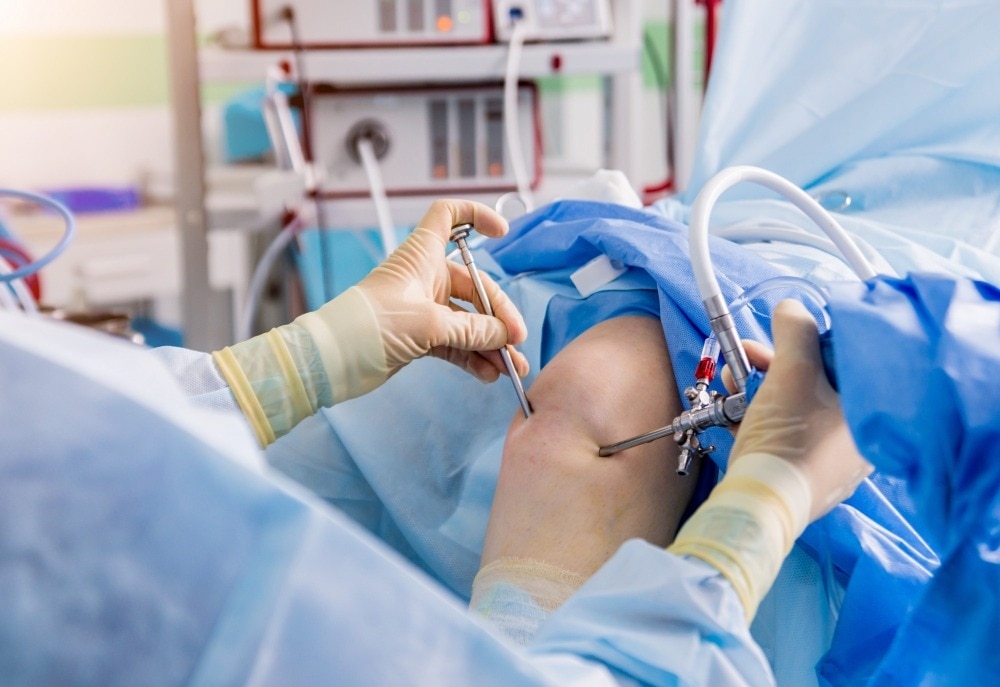
1. During fixation, the surgeon reduces the fracture, restores alignment, and secures it with the planned implant. The team closes the wound, manages pain, gives antibiotics when indicated, and uses thrombosis prevention such as early movement, compression, or anticoagulant medicine when appropriate.
2. After surgery, monitor the wound for spreading redness, increasing drainage, fever, or worsening pain. Follow-up X-rays check alignment and show whether healing is progressing. Keep to the stated limits on weight-bearing or joint movement; supervised exercises restore strength and reduce stiffness without overloading the repair.
3. Internal fixation provides stability but does not guarantee union. Smoking, diabetes, infection, poor blood supply, severe soft-tissue damage, inadequate nutrition, or excessive loading can delay healing or cause nonunion.
For a second opinion from a fracture treatment orthopedic surgeon in Mumbai, take the original X-rays or CT images, radiology reports, injury date and mechanism, medicines, medical history, and current symptoms, including numbness, wounds, swelling, and weight-bearing ability.
Do not delay emergency care for pale or cold digits, absent pulses, numbness, rapidly increasing pain, or severe swelling.
Related service
Sports Injury Treatment Sports injuries can affect ligaments, tendons, muscles, cartilage, bones, and joints. |
Frequently asked questions
Which fracture patterns make fixation more likely?
Fixation is more likely when a fracture is displaced, unstable, involves a joint, or cannot maintain acceptable alignment after reduction.
How does an orthopedic doctor assess a fracture before treatment?
The doctor examines circulation, sensation, skin, swelling, and movement, then uses X-rays and sometimes CT scans to assess alignment and urgency.
How do casting, external fixation, and plates and screws differ?
A cast supports a suitable stable fracture, external fixation uses pins and a frame outside the body, and plates and screws hold fragments internally.
What should you expect before surgery and during fracture healing?
Expect medical clearance, imaging, medication instructions, a recovery plan, wound care when applicable, repeat X-rays, and gradual return to movement and weight-bearing.
Keywords