A sports injury needs more than rest when you cannot use the limb normally, symptoms keep returning, or the joint becomes unstable, locked, or rapidly swollen. You will be able to separate emergency warning signs from injuries suitable for early self-care, choose the right clinician, and compare Mumbai appointments by access, assessment, treatment, and follow-up.
Key takeaways
- Seek emergency care for deformity, dislocation, open fracture, or uncontrolled bleeding.
- Use protection, rest, ice, compression, and elevation during the first 24 to 72 hours.
- Book an assessment for persistent pain, swelling, instability, or reduced movement.
- Compare sports injury specialists by assessment methods, treatment options, and follow-up care.
Which sports injury symptoms need emergency care today?
Go to an emergency department today rather than waiting for a routine appointment if a limb looks deformed, a joint may be dislocated, a fracture has broken the skin, or bleeding will not stop with firm pressure.
Seek immediate care after high-energy trauma causing severe pain and swelling, inability to move or bear weight, loss of sensation, or a hand or foot that is cold, pale, or blue.
| Sign | Why it needs emergency assessment |
|---|---|
| Visible deformity or suspected dislocation | The bone or joint may be out of position |
| Open fracture or uncontrolled bleeding | Tissue, blood vessels, and bone may be exposed or damaged |
| No movement, sensation, or weight-bearing | Nerve, blood-supply, or major structural injury is possible |
| Cold, pale, or blue hand or foot | Circulation may be impaired |
| Severe pain and swelling after high-energy trauma | Fracture-dislocation or internal damage needs assessment |
After a crush injury or extreme exertion, worsening pain, tense swelling, or pain when you gently stretch the muscles can indicate acute compartment syndrome. This orthopaedic emergency needs immediate treatment; do not wait to contact an orthopedic surgeon in Mumbai.
After a head impact, worsening headache, repeated vomiting, confusion, unusual behaviour, inability to wake, slurred speech, weakness, numbness, seizure, or unequal pupils means emergency care. Headache, dizziness, nausea, imbalance, light or noise sensitivity, slowed thinking, memory problems, or irritability require removal from play and medical evaluation even without loss of consciousness.
Suspected concussion means no same-day return to sport.
What should you do in the first 24 to 72 hours?
For the first 24 to 72 hours, stop the provoking activity and protect the injured area. Use relative rest: avoid painful movement, but keep gentle, pain-limited movement instead of prolonged complete immobilisation.
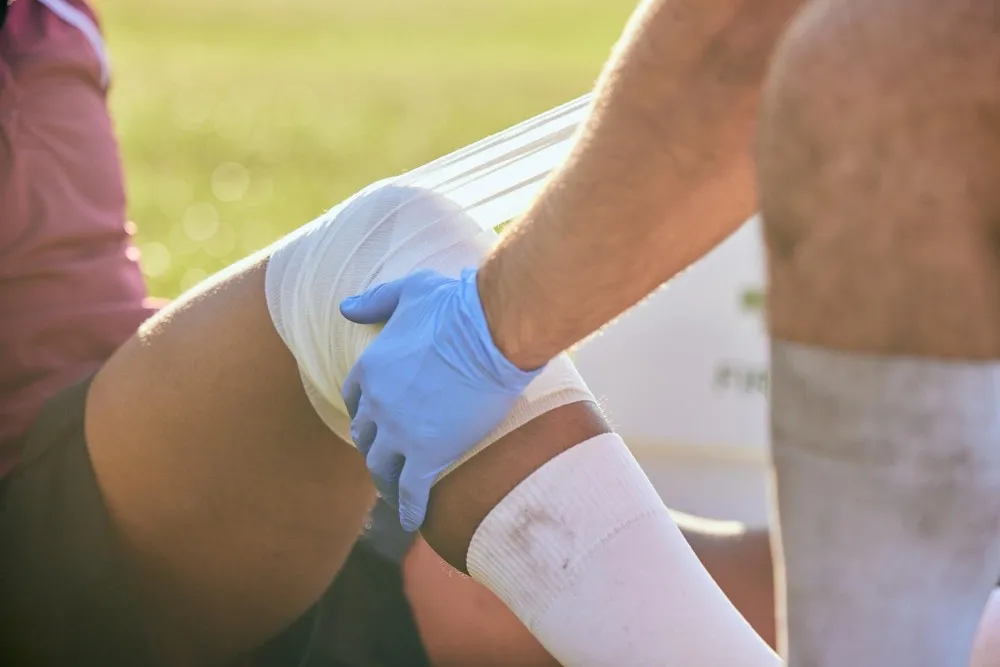
Apply ice wrapped in cloth for 10–20 minutes at a time, use compression only if it causes no numbness or colour change, and elevate a swollen limb. Avoid massage and heat while swelling is increasing. Do not use pain relief to continue playing.
| Problem | Start with | Arrange orthopaedic assessment when |
|---|---|---|
| Minor strain | Self-care, a general practitioner, or physiotherapist | Pain worsens or function does not return |
| Delayed-onset muscle soreness | Relative rest and gradual activity | Pain is focal, severe, or persists beyond expected recovery |
| Uncomplicated sprain | Protection, compression, elevation, and physiotherapy | You cannot use the joint, it repeatedly gives way, or instability persists |
| Overuse problem | Reduce load and consult a physiotherapist or general practitioner | Symptoms recur whenever training resumes |
| Suspected fracture, dislocation, or ligament rupture | Protect the limb and seek assessment | Arrange prompt orthopaedic evaluation |
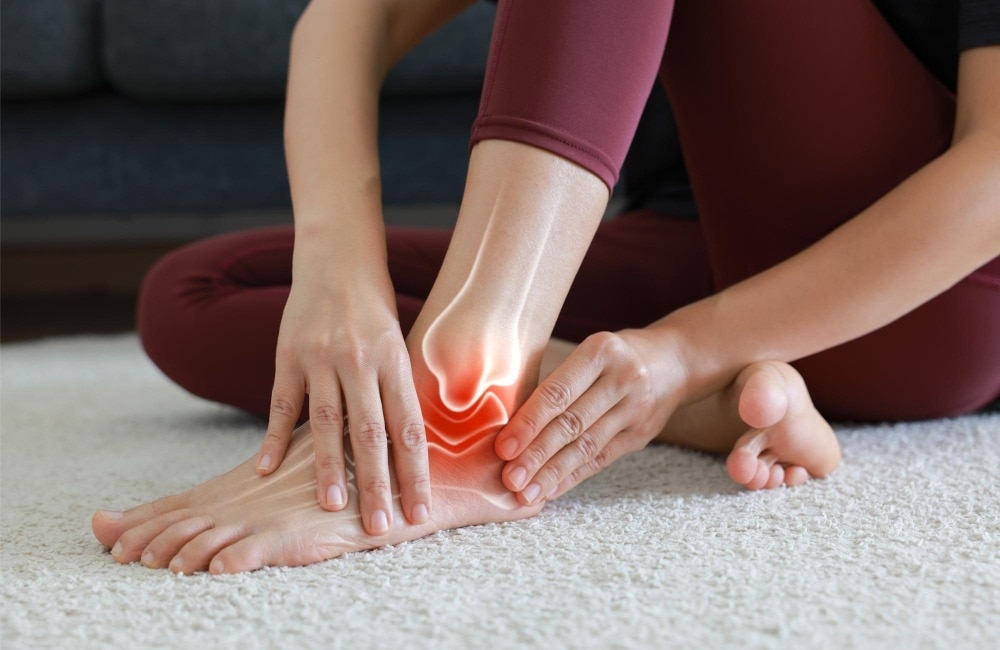
For an ankle injury, the Ottawa Ankle Rules support X-ray assessment for tenderness at the posterior edge or tip of either malleolus, the base of the fifth metatarsal, or the navicular. X-ray assessment is also supported if you cannot take four steps both immediately after injury and during assessment.
When arranging sports injury treatment in Mumbai, use these findings to request timely evaluation rather than testing the injury in practice.
When should persistent or sport-specific symptoms be assessed?
Book an appointment when a sports injury fails to settle with appropriate early care, returns whenever training resumes, or starts occurring at rest or at night. Arrange assessment sooner if symptoms worsen or stop you sleeping, working, walking, running, or using the joint normally.
- A knee that locks, gives way, rapidly fills with fluid within hours, or cannot fully straighten after twisting needs prompt assessment. A large early effusion can accompany an ACL injury, patellar dislocation, or fracture.
- A shoulder that feels unstable, or a pop followed by weakness, needs examination.
- A sudden snap with difficulty pushing off raises concern for Achilles tendon failure.
- Persistent ankle swelling, or elbow tingling or numbness extending into the hand, warrants review.
- Focal bone tenderness with progressively worsening pain during impact activity suggests a stress fracture. An initial X-ray can miss it; MRI may be needed.
A sports injury specialist in Mumbai can help distinguish these problems from delayed-onset muscle soreness, a minor strain, or an overuse issue. Do not use pain relief to keep competing while symptoms worsen. Return to sport only after near-normal movement and strength, pain-free sport-specific drills, and progressive rehabilitation.
Do not judge readiness by elapsed days or pain masked by medication. A concussion requires removal from play and a supervised, stepwise return; never resume sport on the same day while concussion is suspected.
Which clinician should you contact first, and what assessment is useful?
Choose the clinician by the injury’s risk and complexity, not by the word “sports” in a title. Go to an emergency department first for deformity, an open fracture, uncontrolled bleeding, impaired circulation, loss of sensation or movement, acute compartment syndrome, serious head-injury symptoms, or suspected fracture-dislocation.
| Clinician | Main role | When to contact |
|---|---|---|
| Emergency department | Immediate assessment and stabilisation | Deformity, open fracture, cold or blue limb, neurological loss, severe head symptoms, or suspected fracture-dislocation |
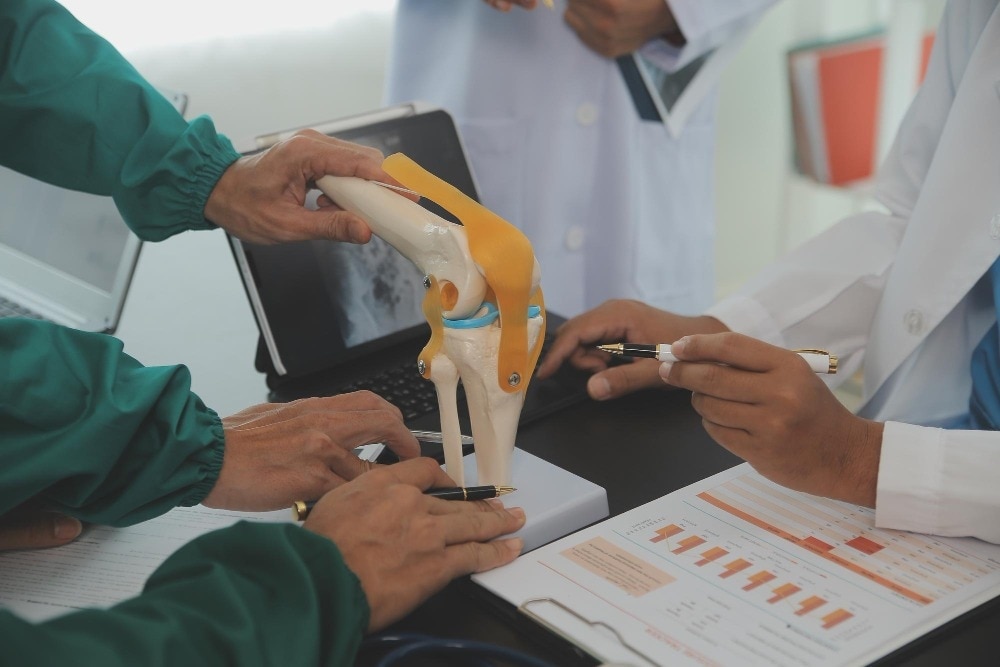
| Orthopaedic doctor or surgeon | Diagnoses bone, joint, ligament, and tendon problems; offers non-surgical or surgical care | Suspected fracture, dislocation, ligament rupture, locked joint, recurrent instability, persistent symptoms, or failure to improve |
| Sports injury specialist | Applies orthopaedic assessment to a particular sport and joint | Sport-specific injury, repeated injury, or return-to-play decisions |
| Physiotherapist | Assesses movement and provides rehabilitation | Many uncomplicated strains and stable sprains |
| Sports physician | Manages training-related injuries, load, recovery, and medical issues | Overuse problems or complex return-to-sport planning |
| General practitioner | Starts assessment and coordinates referral | Minor strains, stable sprains, or uncertainty about the right service |
| Imaging centre | Performs scans; does not replace examination | Only after a clinician identifies a question to answer |
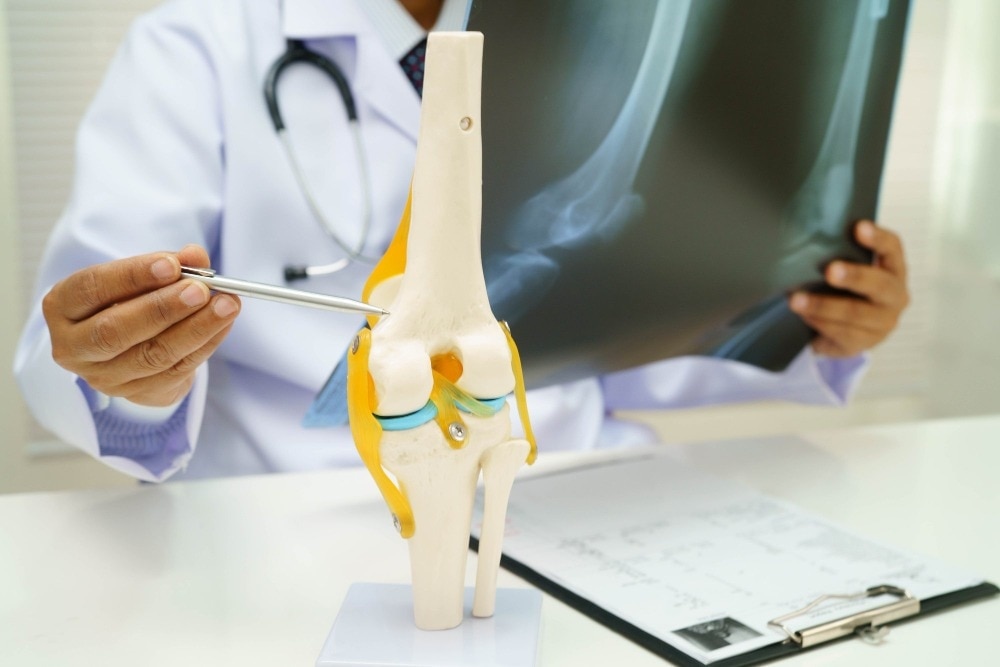
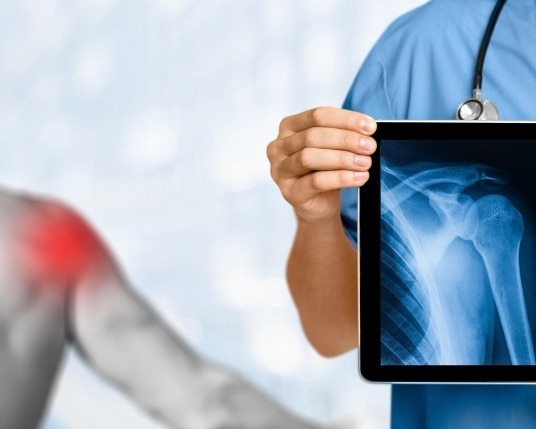
X-rays assess many fractures and dislocations. Ultrasound can assess selected superficial tendons and muscles; MRI helps with selected cartilage, soft-tissue, marrow, or occult-bone problems when the result will change treatment. An MRI request alone is not a diagnosis, and an imaging centre should not replace an examination.
This approach supports safer sports injury treatment in Mumbai, including referral to an orthopedic surgeon in Mumbai when needed.
How can Mumbai patients compare sports injury care before booking?
Choose by documented fit and repeat-visit access, not by a ranking or the word sports in a title.
- Confirm that the clinician regularly examines your injured joint and treats your sport, rather than only reviewing scan reports.
- Ask whether the clinic can arrange the right imaging and explain what each test could change.
- Check that they discuss non-surgical and surgical options, coordinate physiotherapy and rehabilitation, and provide a written follow-up plan.
- Compare the clinician’s experience with your injury, not just the title “sports injury specialist in Mumbai” or “orthopedic surgeon in Mumbai.”
| Area | Repeat-visit test | Practical question |
|---|---|---|
| Bandra | Convenient if you live or work nearby | Can you attend reviews and rehabilitation without missing work? |
| Andheri | Check peak-hour travel across the western suburbs | Will traffic make weekly appointments impractical? |
| Powai | Consider access from the eastern suburbs | Can you reach the clinic after training or work? |
| Thane | Allow for longer cross-city journeys | Is the travel manageable for several follow-ups? |
| Navi Mumbai | Plan for bridge or highway delays | Can you maintain continuity if rehabilitation takes months? |
At the first appointment, ask:
- What does the examination suggest?
- Which diagnosis are you ruling out?
- Will imaging change management?
- What activity is safe now?
- Which symptoms need urgent escalation?
- How will return to sport be tested?
For sports injury treatment in Mumbai, the business in Bandra West is one local option to compare for documented assessment, access, continuity, and fit. If you search sports injury for orthopedic doctor in mumbai, use those checks rather than choosing a clinic from its search title alone.
Related services
Sports Injury Treatment Sports injuries can affect ligaments, tendons, muscles, cartilage, bones, and joints. |
Fracture & Trauma Care Fractures are breaks or cracks in bone that can occur after falls, sports injuries, road traffic accidents, direct blows, or other significant... |
Frequently asked questions
Which sports injury symptoms need emergency care today?
Go to an emergency department today if a limb looks deformed, a joint may be dislocated, a fracture has broken the skin, or bleeding will not stop with firm pressure.
What should you do during the first 24 to 72 hours after a sports injury?
Protect the injured area, stop the activity, apply a wrapped ice pack for short periods, use compression when appropriate, elevate the limb, and avoid returning to sport while pain or swelling is increasing.
When should persistent or sport-specific symptoms be assessed?
Arrange an assessment when pain, swelling, weakness, instability, locking, or restricted movement persists, returns with a particular activity, or prevents normal walking, lifting, throwing, running, or training.
Which clinician should you contact first for a sports injury?
Contact an orthopedic or sports injury specialist when you suspect a fracture, ligament or tendon injury, dislocation, cartilage damage, or symptoms that are not improving. The assessment may include an examination and imaging such as an X-ray, ultrasound, or MRI.
How can Mumbai patients compare sports injury care before booking?
Ask who will examine you, which injuries they treat, whether imaging is available or appropriately referred, what non-surgical and surgical options are offered, and how rehabilitation and follow-up are managed.
Related services
Shoulder Surgery may be used to treat structural problems that cause persistent pain, weakness, instability, restricted movement, or loss of shoulder function. |
Knee Surgery may be considered when pain, instability, locking, or loss of function is caused by a structural problem that has not improved with appropriate... |
Elbow Surgery Elbow surgery is considered for selected conditions that cause persistent pain, stiffness, instability, weakness, nerve symptoms, or impaired arm... |
Elbow Conditions Elbow pain can arise from the tendons, ligaments, bones, cartilage, nerves, or the joint itself. |
Keywords